Facebook
 Google
 GitHub
 Linkedin
What Is an HVAC System and What Role Do Control Systems Play?
Managing the climate inside a building is critical for both people and infrastructure. Managing the climate is the job of HVAC control systems, but what’s inside an HVAC system, and how do they work?
Imagine walking into a building on a hot day: the air feels just rightcool, fresh, comfortable. Or think of a chilly winter night when you step inside and you’re immediately warmed up. That’s not magic; it’s the work of a well-designed HVAC system quietly doing its job.
In simple terms, HVAC stands for heating, ventilation, and air conditioning. The term “HVAC system” refers to the total network of equipment and controls that manage indoor temperature, air quality, humidity, and airflow for homes, offices, factories, and other buildings.
These systems are the backbone of comfort, health, and productivity. Whether you’re in a small apartment, a large commercial complex, an industrial facility, or a data center, having the right HVAC system is essential.
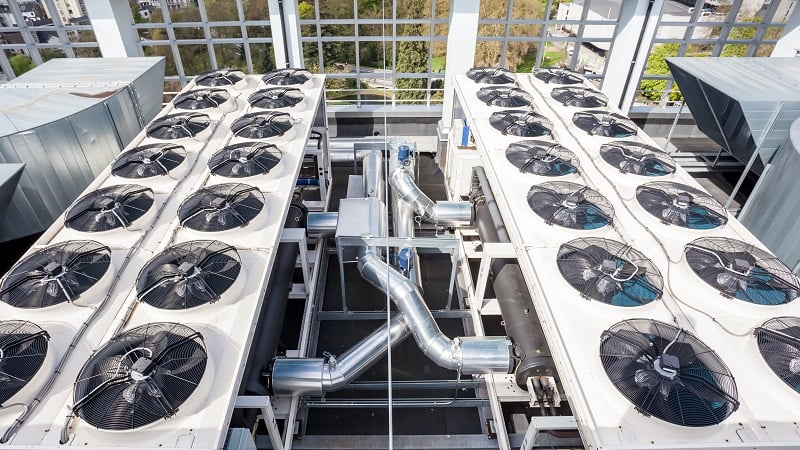
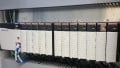
Figure 1. HVAC system in a large installation.
A Brief History of HVAC Systems: From Ancient Techniques to Smart Automation
Before we talk about modern systems, it’s helpful to understand how HVAC systems evolved. The journey gives us perspective on how far the HVAC Industry has come and how electrical products, automation, and building systems are tightly integrated today.
Early Days
Ancient civilizations had rudimentary forms of heating and ventilation: for example, the Romans used hypocausts (under-floor heating) and the Persians employed wind towers for passive cooling.
As industrialization advanced, large buildings required more formal heating systems, boilers, radiators, and centralized systems.
The 20th Century
The invention of mechanical air-conditioning by Willis Carrier in the early 1900s marked a turning point in indoor climate control. As noted by Carrier Global, his system for managing humidity and temperature in industrial facilities eventually evolved into the residential and commercial air-conditioning on which we rely today.
Over the decades, heating and cooling functions merged with ventilation to form what we now call HVAC systems.
Towards Today: Automation & Efficiency
From the mid-20th century onward, HVAC systems became more standard in homes and buildings. As energy costs rose and environmental concerns grew, the focus shifted to efficiency and indoor air quality.
In the 21st century, the HVAC Industry has embraced industrial automation, Internet of Things (IoT) sensors, building management systems (BMS), and smart controls. These aren’t simply “turn the thermostat up/down” systems anymorethey’re sophisticated networks of sensors, controllers, electrical products, and software.
HVAC System Components
Let’s unpack each component of HVAC so you get a clear idea of what this term really encompasses.
- Heating: This covers any system designed to raise the indoor temperature when it’s cold outside. Think boilers, furnaces, heat pumps, etc.
- Ventilation: This deals with the movement of air into and out of a space, bringing in fresh air, removing stale air, controlling humidity, and filtering particulates.
- Air conditioning (or cooling): This part cools indoor air, reduces humidity, and maintains comfort when it’s hot outside.
When we say an HVAC system, we mean the full network of equipment and controls that manage all three: heating + ventilation + air conditioning. It’s not just a heater or an air-conditioner, it’s the complete infrastructure that makes indoor environments comfortable and healthy all year round.
How Does an HVAC System Work?
Now that we know what an HVAC system is in theory, let’s look at how it works in practice. I’ll describe a general flow that most systems follow, so you can understand the interplay of components, controls, and electrical products.
Air Intake
The system pulls in air either from outdoors (fresh air) or from inside the building (recirculation). Ventilation components and ductwork are involved. The fresh air provides oxygen, dilution of pollutants, and humidity regulation, all of which are necessary for health and comfort.
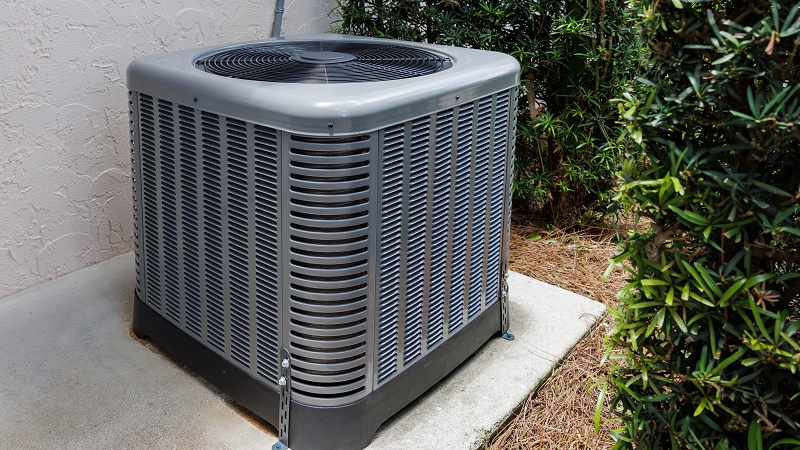
Figure 2. A residential outdoor air preparation (heat pump) unit.
Temperature & Air Treatment
Filtration may occur in this treatment step, removing dust, allergens, and other pollutants. At the same time, sensing the temperature/humidity allows the control system to decide when to turn on heating or cooling.
- If heating is required, the furnace, boiler, or heat pump raises the temperature of the air or water.
- If cooling is required, The system uses refrigerant, evaporator and condenser coils, and a compressor to remove heat and moisture from the air.
Air Distribution
Treated air is moved through ducts or via direct units (in ductless systems) to rooms or zones. A blower motor pushes the air. Dampers may regulate which rooms get how much air.
Control & Automation
This is where industrial automation and electrical products shine. Sensors detect temperature/humidity; a thermostat or building management system sends signals; electrical contactors, relays, and switches manage the power to motors, compressors, and fans; safety devices ensure things operate correctly. The interplay ensures the system runs efficiently and reliably.
The HVAC system may also respond to occupancy, external weather, time schedules, or even remote commands via smart devices.
Exhaust & Recirculation
Some systems exhaust stale indoor air and bring in fresh air; others recirculate treated air to save energy. Ventilation ensures healthy indoor air quality and removes odors, excess moisture, and contaminants. Recirculation can save energy when the outdoor temperature is so extreme that it would require more energy to bring it to a comfortable temperature, compared to simply conditioning the recirculated air.
Feedback & Maintenance Analytics
With modern systems, sensors and controls provide data on system health, efficiency, and wear. Automated alerts can flag issues like a failing motor or leak. This is part of what the industry now calls “smart HVAC”.
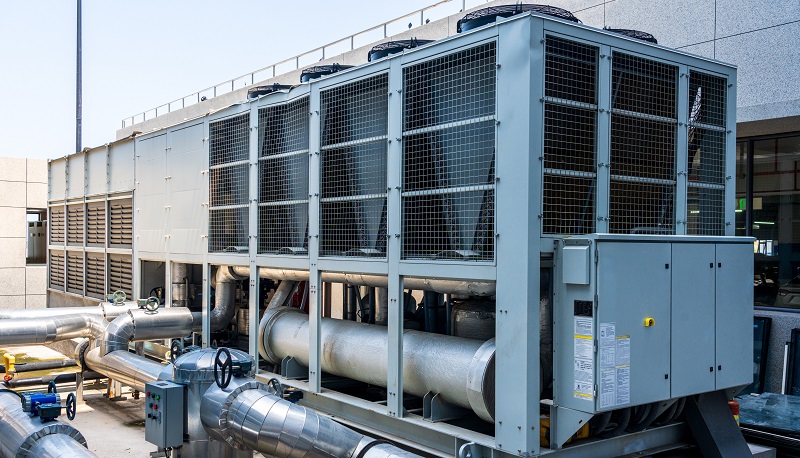
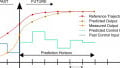
Figure 3. Industrial HVAC system with more advanced control.
Types of HVAC Systems
Different buildings and uses require different types of HVAC systems. Here are common configurations:
- Split System: A common setup in homes. Has an indoor unit (evaporator) and an outdoor unit (condenser & compressor).
- Packaged System: All major components are located in one outdoor cabinet (often on rooftops), common for smaller commercial buildings.
- Heat Pump System: Provides both heating and cooling by reversing the refrigerant cycle.
- Ductless Mini‐Split System: Ideal for homes without ductwork or for zoned applications. Consists of a wall-mounted indoor unit and an outdoor compressor.
- Hybrid System: Combines two technologies (e.g., electric heat pump + gas furnace) to optimize energy savings depending on season.
- Large Commercial/Industrial Systems: Use chillers, rooftop units, VAV (variable air volume) systems, complex duct networks, and advanced automation.
HVAC: The Building Block of Comfort & Efficiency
In the world of building systems, your HVAC system may not be the most visible, but it is certainly one of the most critical. From the heating that keeps you warm in winter, to the cool air you enjoy in summer, and the fresh ventilation that keeps indoor air healthy, that’s all managed through the HVAC system.
Whether you’re a homeowner, facility manager, HVAC contractor, or building engineer, having a clear grasp of what an HVAC system is, how it works, and how to maintain it pays dividends not just in comfort, but in cost savings and the lifespan of equipment.
So next time you step inside a building and take a breath of comfortable air, remember: there’s a well-engineered system working quietly behind the scenes. And understanding it means you’re better prepared to specify, maintain, and optimize it.
All images used courtesy of Adobe Stock