Facebook
 Google
 GitHub
 Linkedin
Brake It Till You Make It With Dunkermotoren’s New E90R LN.
A noise-optimized spring-applied brake, the Dunkermotoren E90R LN improves stability and reduces vibration without changing system design.
Dunkermotoren’s E90R LN spring-applied brake delivers reliable, fail-safe stopping while addressing growing demands for quieter operation in motion systems. Using a standard electromagnetic design that engages automatically during power loss, the brake ensures secure load holding in safety-critical applications such as medical equipment, conveyors, and vertical axes. Mechanical refinements reduce internal play and vibration, resulting in smoother engagement and lower noise levels. With a compact, modular design that integrates easily into existing motor setups, the E90R LN offers improved acoustic performance and stability without requiring major system changes.
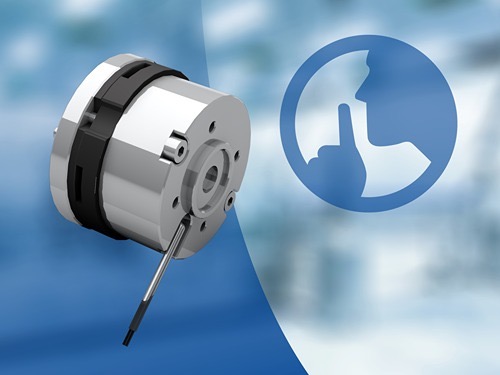
Dunkermotoren’s E90R LN noise-optimized spring-applied brake. Image used courtesy of Dunkermotoren
The E90R LN brake uses a fail-safe spring-applied design that engages automatically when power to the system is removed, ensuring the load the system is carrying is held even during power loss or emergency stops. The updated design focuses on minimizing mechanical play to reduce vibration and noise, making it suitable for applications where acoustic performance is becoming a more important design consideration.
Fail-Safe Operation and Functional Design
The E90R LN follows a standard electromagnetic spring-applied brake design, where the braking force is generated mechanically and released electrically. When the E90R LN is de-energized, the brake remains engaged, holding the load securely. When power is applied, an electromagnetic field pulls the armature plate away, releasing the brake and allowing motion.
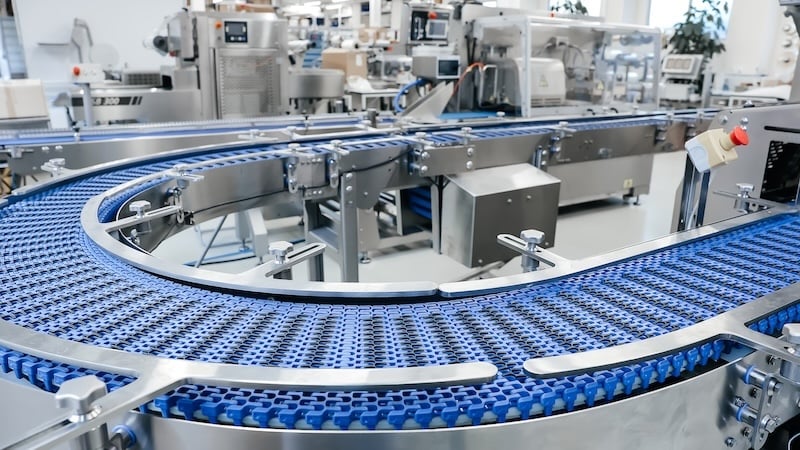
Spring-loaded brakes, such as the E90R LN, are used in automated systems, the medical industry, and even Wind Turbines to hold loads in place. Image used courtesy of Adobe Stock
Spring-applied brakes are commonly used where predictable stopping is required, especially in safety-related applications. Because the brake doesn’t rely on continuous power to stay engaged, it can hold position during a power loss, which is important in systems such as automated equipment, vertical axes, and material-handling setups where loss of control isn’t acceptable.
Noise Reduction Through Mechanical Optimization
Dunkermotoren has reduced the noise of the E90R LN by improving the mechanical interface between the driver and the armature plate by reducing overall internal play. Reduced mechanical clearance limits unwanted movement during engagement and release, thereby reducing vibration and overall system noise. This leads to smoother transitions when the brake actuates. While this does not change the core braking function, it does improve how the system behaves during operation, especially in applications where repeated engagement cycles can contribute to overall system noise.
Integration and Application Fit
The E90R LN spring-applied brake is designed to fit into existing motor and drive setups without requiring major mechanical changes. The E90R LN comes in a compact size that helps when space is tight or when there isn’t much flexibility to redesign the system. Spring-applied brakes, such as the E90R LN, are commonly used in medical equipment, packaging machinery, and conveyor systems, where controlled stopping and holding are part of normal operation. In these cases, lowering noise levels can make a difference, not just for operator comfort, but also in environments where acoustic output is a consideration.
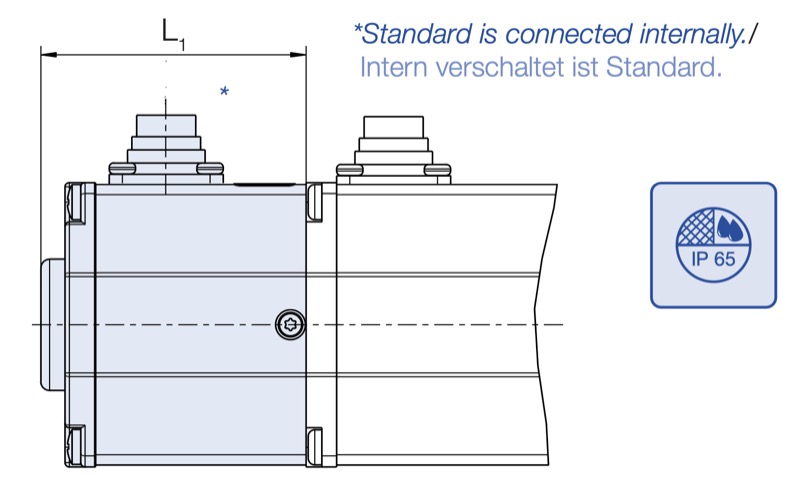
The E90R LN brake is modular and can be mounted to the motor openly or with covers to provide IP65 protection. Image used courtesy of Dunkermotoren
The E90R LN spring-applied brake combines a standard fail-safe braking approach with some new improvements in mechanical stability and noise reduction. Dunkermotoren designed the E90R LN with reduced internal play and vibration while also providing reliable stopping performance. The design addresses both safety and operational behavior. For applications that require consistent braking along with lower acoustic output, it provides a straightforward option without changing the underlying system architecture.