Calculating HGPI interval for GE frame 6b

Hi Folks,
I'm trying to conduct accurate calculations of HGPI interval of our 6b turbines base on GER3620L, i have following questions :

1. how to calculate ΔTf = Peak firing temperature adder (in °F) , i need it to calculate Api (Load severity factor), is there is any considered reference describe it?

2. Afi = Fuel severity factor should be 1 if we use natural gas as only fuel, why some reports choose to make it 10 for extended L-L and 5 for L-L modes? base on what?

3. when i get (Maintenance Interval = Baseline HGPI/Maintenance Factor), should i compare it with total firing hours directly to estimate remaining hours or with 32,000 hours?

thanks and best regards for all
 
Hi

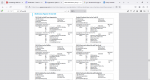
I advise you to have a look on these examples pof calculation with 50°F for Delta Tfi or with no Delta Tfi it is showed how to calculate Api for each operations mode on for a Frame 7E as mentionned in this document:

1714129735732.png
 
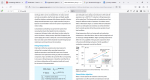
Firing Temperatures
Peak load is defined as operation above base load and is
achieved by increasing turbine operating temperatures
Significant operation at peak load will require more frequent
maintenance and replacement of hot gas path and combustion
components Figure 10 defines the parts life effect corresponding
to increases in firing temperature It should be noted that this is
not a linear relationship, and this equation should not be used
for decreases in firing temperature
B/E-class: A p = e (0.018*ΔTf)
F-class: A p = e (0.023*ΔTf)
A p = Peak fire severity factor
ΔT f = Peak firing temperature adder (in °F)
Figure 10 Peak fire severity factors - natural gas and light distillates
It is important to recognize that a reduction in load does not
always mean a reduction in firing temperature For example,
in heat recovery applications, where steam generation drives
overall plant efficiency, load is first reduced by closing variable
inlet guide vanes to reduce inlet airflow while maintaining
maximum exhaust temperature For these combined cycle
applications, firing temperature does not decrease until load is
reduced below approximately 80% of rated output Conversely,
a non-DLN turbine running in simple cycle mode maintains fully
open inlet guide vanes during a load reduction to 80% and will
experience over a 200°F/111°C reduction in firing temperature
at this output level The hot gas path and combustion part lives
change for different modes of operation This turbine control
effect is illustrated in Figure 11 Turbines with DLN combustion
systems use inlet guide vane turndown as well as inlet bleed
heat to extend operation of low NO x premix operation to part
load conditions
Firing temperature effects on hot gas path and combustion
maintenance as described above, relate to clean burning fuels such
as natural gas and light distillates Higher operating temperatures
affect the creep capability of hot gas path components which
is the primary life limiting mechanism The life capability of
combustion components can also be affected.
 
Hi Dear ..

this is our common reference ... problem is it's not describe requirements all ..

Api = Load severity factor for given operating mode
Ap = 1.0 up to base load
Ap = For peak load factor see Figure 10.

when we go to fig 10, we found for B/E-class: Ap = e (0.018*ΔTf)

and for Tf it's really disappear ... i conclude we should pick two temp from fig. 11 matches 2 different loads of L-L for example and use it ... etc ..
 
Top