 Facebook
 Google
 GitHub
 Linkedin

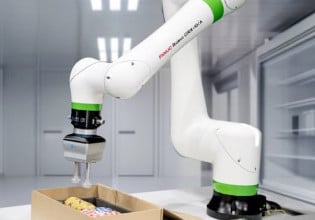
Automotive assembly lines are increasingly using robotic systems for welding, material handling, inspection and other repetitive production tasks.
I'm interested in hearing from engineers working with industrial automation: what are the biggest challenges when integrating robots into an automotive production line?
In particular, how do manufacturers balance robot flexibility, cycle time, maintenance requirements and quality control?
I'm interested in hearing from engineers working with industrial automation: what are the biggest challenges when integrating robots into an automotive production line?
In particular, how do manufacturers balance robot flexibility, cycle time, maintenance requirements and quality control?