Facebook
 Google
 GitHub
 Linkedin
The Role of Sensors and Control Systems in Smarter Conveyor Design
Conveyor technology is rapidly advancing thanks to the close integration of mechanical machines and electrical controls, but it’s important to understand how feedback improves that relationship.
Conveyor systems are now commonplace on production lines. Recent research, however, makes it clear that conveyors set the stage for ongoing success, noting that “as industries embrace digitalization, automation, and sustainability, conveyors remain at the heart of innovation in material handling. The future of conveyor systems holds immense potential for further advancements.”
Part of this potential advancement is tied to core technologies: telescopic, rigid, and flexible conveyor systems that deliver customizable transport frameworks. Sensors and control systems also play a critical role. From issue detection and management to performance monitoring and productivity improvements, the right mix of sensors and systems sets the stage for future-proof conveyor configurations.
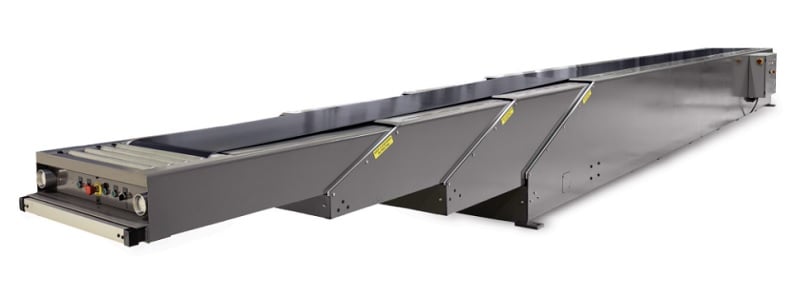
Figure 1. A telescopic conveyor system. Image used courtesy of FMH Conveyors
Common Types of Conveyor Sensors
Consistent conveyor performance relies on the combination of multiple sensors. Common types include the following:
- Position sensors
- Proximity sensors
- Weight sensors
- Speed sensors
- Temperature sensors.
Let’s take a look at each sensor type.
Position Sensors
Position sensors determine where objects are located on a conveyor. They’re often used in conjunction with robotic picking tools; sensors indicate where objects should be picked up or placed down.
These sensors may be linear or rotational. Linear sensors measure the straight-line movement of an object in three-dimensional space, while rotational sensors measure the movement of shafts or other rotating objects.
Proximity Sensors
Proximity sensors detect the presence or absence of an object. Common use cases include detecting jams or blockages, controlling materials flows, and directing objects to the right location.
Proximity sensors may be:
- Optical: Optical or photoelectric sensors use the reflection of light to detect the presence or absence of an object.
- Inductive: Inductive sensors use an electromagnetic field to detect the presence of metallic objects.
- Capacitive: Capacitive sensors create an electrical field. Any object that disrupts this sensor—metal or plastic, solid or liquid—can be detected.
- Ultrasonic: Ultrasonic sensors emit sound waves and measure the time it takes these waves to return when they bounce off an object.
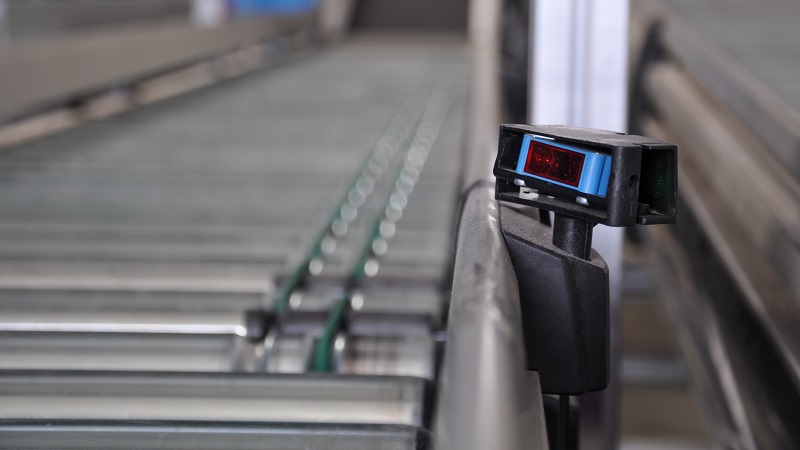
Figure 2. A sensor beside a conveyor system. Image used courtesy of Adobe Stock
Weight Sensors
Also called load sensors, weight sensors help ensure that components or packages are the correct weight before being processed or shipped.
Load sensors convert the force of an object on the conveyor into an electric signal, which is then analyzed and converted into a measure of weight.
Speed Sensors
These sensors measure the speed of the conveyor itself to ensure it’s not running too slow or too fast. They can typically detect both current speed and speed changes; if changes are too sudden or too large, sensors can send alerts and trigger a shutdown.
Speed sensors may be magnetic, optical, or make use of a tachometer to measure rotation.
Temperature Sensors
Temperature sensors help detect excessive heat in conveyor system components such as rollers or belts, which may suggest problems with friction or alignment.
Infrared sensors detect infrared radiation, which is emitted by all objects. The more radiation produced, the higher the temperature. Infrared sensors may be active or passive. Active sensors emit IR beams and detect the reflection from objects. Passive sensors measure the IR radiation emitted by objects.
Thermocouples are another type of temperature sensor. These sensors are made of two different metals that generate a voltage if a temperature difference occurs.
Challenges in Sensor Deployment
Sensors provide valuable data when they are properly deployed. In practice, effective deployment requires engineers to address challenges.
Improper Sensor Placement
Sensors in the wrong place won’t return useful data. For example, if capacitive sensors are partially blocked by conveyor frameworks or other machinery, this may lead to false positives.
Delayed Response Time
The longer it takes for sensors to capture and report data, the greater the risk of performance loss or production line damage. Consider a proximity sensor. If it detects an object at risk, but it takes 20 seconds for data processing, transmission, and receipt to occur, the object may have already created conveyor jams. One common culprit of slow processing is distributed networks; solutions such as edge computing can help keep data closer to home.
Reduced Durability
Environmental conditions such as vibration, dust, and temperature fluctuations can negatively impact sensor durability. To avoid this issue, it’s important to select sensors purpose-built for industrial processes and create regular maintenance and cleaning schedules.
Complex Integration
Sensors may not integrate well with existing systems, especially if production lines depend on outdated or proprietary technologies. Before integrating any sensors, engineers should carry out infrastructure audits to identify potential pain points.
Choosing the Right Sensors for the Job
Every sensor environment is unique. To find the right sensors for the job, engineers should ask four key questions:
- What is the maximum acceptable delay time between data collection and reporting?
- How will environmental conditions impact sensor operations?
- What communication protocols do sensors use?
- How do legacy tools and frameworks impact integration?
Maximum Delay
How long can teams afford to wait before sensor data is reported and actionable? Identifying this maximum time enables measurement. Engineers can run sensor tests to determine fastest, slowest, and average reporting speeds, and make adjustments as necessary before committing to large-scale sensor deployments.
Environmental Conditions
As noted above, environmental conditions play a key role in sensor durability and operations. By taking the time to evaluate production line conditions before sensor deployments, engineers can determine which sensor types are best suited to operations. For example, capacitive sensors are not well-suited for manufacturing environments that are prone to the creation of waste and debris because they may return false positives.
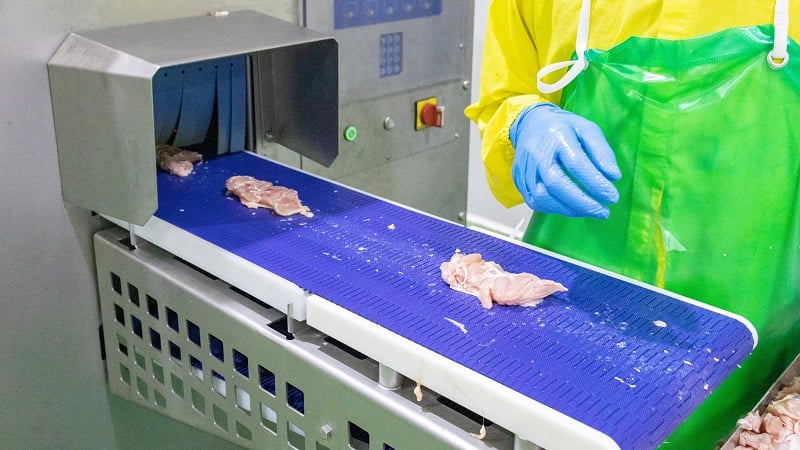
Figure 3. Different environments demand different sensor specs. Image used courtesy of Adobe Stock
Communication Protocols
Different sensors use different communication protocols. Some of the most common include BACNET, I2C, Modbus, and CANbus. Ensure sensors are interoperable or have a plan to use APIs or other interfaces before deployment.
Legacy Tools and Frameworks
Many industrial organizations rely on legacy tools and frameworks that were not designed to support connected sensors and real-time data collection. Before starting any sensor deployment project, engineers should identify legacy components, evaluate their capabilities for connection, and then upgrade or replace these technologies as required. This is because it’s far easier (and more cost-effective) to complete this work before sensor deployment. Here’s why.
- With assessment: Companies spend on testing and evaluation, resolve issues, spend on sensors, and are up and running.
- Without assessment: Companies spend on sensors, then detect issues. They spend on removing sensors, spend on testing and evaluation, and take more time to reinstall sensors.
Smarter Conveyors = Smoother Operations
Conveyor sensors help teams track key data such as component position, proximity, weight, temperature, and speed. In combination, these data points help companies identify potential problems and address possible failure points before they derail production and drive up costs.
But sensors alone aren’t enough. Engineers must address possible challenges and ask key questions to create the ideal environment and find the right tools for the job.
Bottom line? Smarter conveyors deliver speedier insights that drive smoother operations.
Featured image used courtesy of Adobe Stock