 Facebook
 Google
 GitHub
 Linkedin
ABB Adds AI Decision Support to Industrial Control Rooms
New ABB software gives operators AI-assisted insight into unusual process conditions, past operating events, and the potential effects of setpoint changes.
ABB has introduced Ability Augmented Operator, an AI-enabled software suite designed to give industrial control room operators additional insight when evaluating process conditions and potential adjustments. Announced at ADIPEC 2026, the system combines three tools: Anomaly Detector identifies unusual changes across process variables, Knowledge Extractor searches historical plant records for similar events, and Process Predictor simulates the potential effects of adjustments before operators implement them. The software is intended for industries including oil and gas, chemicals, power generation, and water treatment. By combining real-time monitoring with historical operating knowledge and predictive simulations, ABB aims to help operators make more informed decisions while keeping them responsible for the final action.

ABB's Augmented Operator can provide AI-assisted decision support. Image used courtesy of ABB
Three Tools for Control Room Decisions
The Ability Augmented Operator combines three functions: Anomaly Detector, Knowledge Extractor, and Process Predictor. Each addresses a different part of the decision-making process, from recognizing a potential problem to determining how to respond.
Anomaly Detector monitors multiple process variables to identify changes that might otherwise go unnoticed until an alarm occurs. For example, a gradual change in pressure, temperature, or flow could indicate that equipment is beginning to operate outside its normal conditions. Detecting these changes earlier gives operators more time to investigate before they affect production.
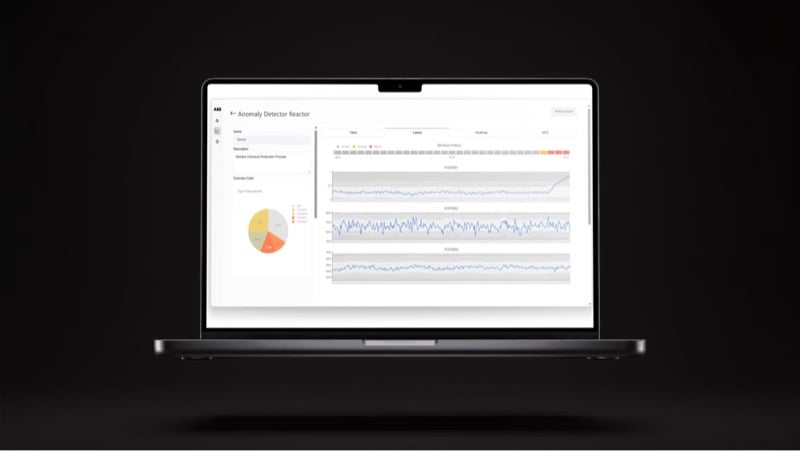
ABB's Anomaly Detector monitors process data to identify unusual operating conditions before they develop into larger problems. Image used courtesy of ABB.
Knowledge Extractor takes a different approach by searching historical operating records for similar events. Rather than relying entirely on an experienced operator to remember how a problem was handled several years ago, the software can surface that information. This could be particularly useful when newer operators encounter situations they haven't dealt with before.
Process Predictor adds another layer, allowing operators to simulate adjustments before making them. If changing a process setpoint could affect temperature, pressure, or production output elsewhere in the system, the software is intended to forecast those effects. It essentially lets the operator ask what might happen before committing to the change.
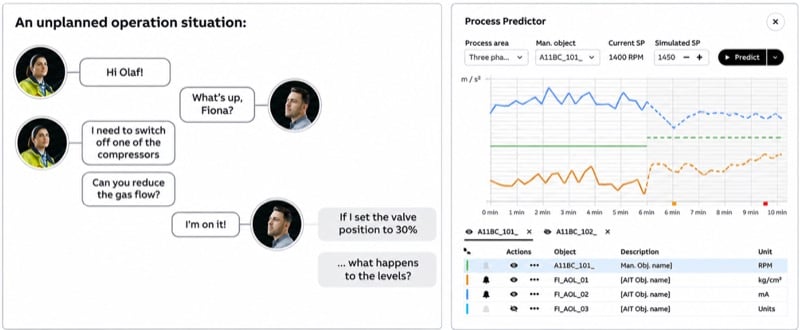
ABB has provided a conversation example showing an operator using the Process Predictor to test a valve change, along with the tool's predicted response for the process variables. Image used courtesy of ABB
How Much Can Operators Trust AI?
This new concept makes sense, but practical questions remain. Industrial processes don't always behave the same way from one operating cycle to the next, and historical data may not account for equipment changes, maintenance work, or unusual operating conditions.
That raises an important question: how accurately can the software predict a process response when current conditions differ from those in its historical records? ABB says the system explains its reasoning using past operating data, although the announcement doesn't provide specific prediction accuracy figures or details about how the models are validated. Operators already deal with alarms, trends, and regular response procedures. Adding AI-generated guidance could help, but it must present information clearly enough that operators can evaluate it without getting distracted by another stream of notifications.
Keeping Experience in the Control Room
One practical application is preserving operating knowledge as experienced employees retire or move into other positions. ABB points to a growing workforce challenge, particularly as centralized control rooms place more responsibility on smaller teams. Using historical plant records to help newer operators understand past events could help close that knowledge gap. However, the quality of those records and the context surrounding past decisions will matter.
A Helping Hand, Not a Replacement
ABB's Augmented Operator keeps control decisions in operators' hands while giving them additional information. Spotting unusual conditions, reviewing how similar problems were handled, and testing adjustments before making them could be useful, especially in larger facilities. Of course, how well it works will depend on the quality of the plant's historical data and how accurately the software predicts process changes. Operators will still need to determine whether its recommendations make sense for the situation they're dealing with.