Facebook
 Google
 GitHub
 Linkedin
New HMI V7 Firmware Enhances Industrial Monitoring With IP Cameras
R. STAHL’s Remote HMI V7 firmware adds ONVIF IP camera support, boosting process visibility, safety, and system health for modern industrial environments.
Whether it’s a chemical line, a pharmaceutical mixer, or a food packaging plant, being able to see what’s happening in real time can make the difference between smooth production and unplanned downtime. Yet adding video feeds to control interfaces has often meant separate software, complex configuration, and limited camera compatibility.

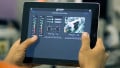
R. STAHL has recently introduced its new HMI V7 firmware update. Image used courtesy of R. STAHL
R. STAHL’s new Remote HMI V7 update gives operators and maintenance personnel a new visual. The company has added integrated IP camera support directly into its Thin Client platform, letting operators view live camera feeds as part of their normal control screens. The system uses the ONVIF standard, which supports nearly every common network camera on the market, so setup is quick and software add-ons are unnecessary.
Integrated Visual Monitoring
With the new firmware, users can connect cameras directly through the HMI and display them as floating windows on the interface. The windows can be repositioned anywhere on the screen, allowing operators to watch process visuals while interacting with other controls or system data. With the combined visual and process information in one place, it makes it easier for operators to find common mechanical issues, such as leaks, monitoring valve operations, or inspecting filling levels at a glance.

Operators can now monitor live camera feeds through floating windows straight from the HMI interface. Image used above courtesy of R. STAHL
In many industries, cameras are increasingly treated as sensors as operators use them not only for security but also for process feedback, especially in areas like foam detection, fluid flow monitoring, and pump supervision. Dome cameras equipped with pan, tilt, and zoom functions are particularly useful, since they can automatically scan different zones and give staff a broad overview without requiring multiple fixed units.
Security and System Health Improvements
Beyond the new camera support, version 7 of the Remote HMI introduces several other upgrades. The platform now includes permanent SSD status monitoring to alert operators before a drive nears the end of its write cycle lifespan. This feature tracks temperature, write rates, and power cycles to extend device life and reduce unplanned maintenance. R. STAHL has also added a QR code support function, making it easier for users to contact technical support. Scanning the on-screen code automatically sends system details to R. STAHL’s service team for faster troubleshooting.
Operation and Network Security
Remote HMI V7 continues to run on the secure Windows 10 IoT Enterprise LTSC 2021 operating system, with Microsoft updates guaranteed through 2031. The software operates in kiosk mode, which means that users can only access pre-authorized programs and cannot reach the underlying Windows environment. The device will still have optional write protection filters that block unauthorized file changes, while offering integrated Microsoft Defender antivirus and configurable USB restrictions, which add another layer of security.
More than 10,000 Remote HMI installations are already in use worldwide, supporting DCS, MES, and browser-based process systems. The V7 update builds on that foundation with new visualization, monitoring, and data management tools that reflect how modern plants operate. By integrating cameras as process sensors, R. STAHL is blurring the line between human-machine interface and real-time situational awareness.
Related Content