Facebook
 Google
 GitHub
 Linkedin
Researchers Tackle Electronic Waste With Automated Disassembly
Fraunhofer is addressing growing environmental and economic concerns by leveraging artificial intelligence, machine vision, and robotics to automate the disassembly and recycling process of electronic waste.
As technology improves and more electronics end up discarded, the problem of handling this electronic waste is a growing concern. Researchers at Fraunhofer are in the process of developing a smarter, more automated way to disassemble old electronic devices for recycling purposes. This solution uses 3D cameras and AI to help break down these waste materials, both reducing environmental impact and potentially saving valuable resources.
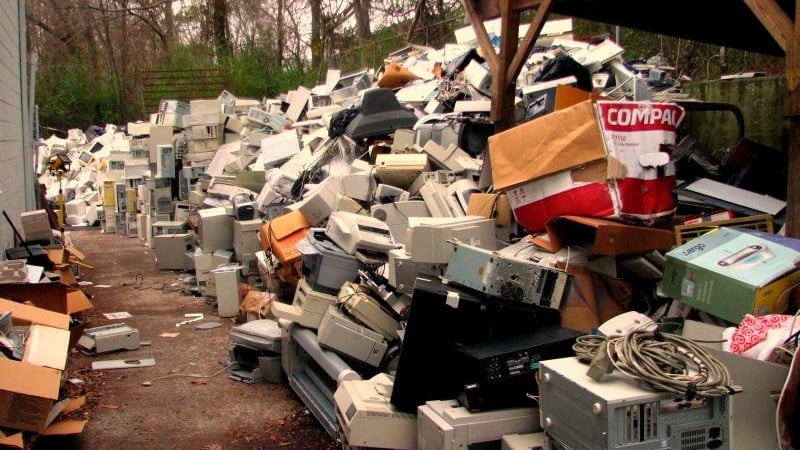
A large pile of e-waste awaits burial at a landfill or a fiery fate at an incinerator. Image used courtesy of Wikimedia Commons
What Is E-Waste?
Electronic waste, or e-waste, is the obsolete electronics that are being discarded at a growing rate. As technology advances, it becomes cheaper to throw away and buy a new device rather than retrofit an old one. From laptops to car stereos to smartphones, this pile of waste gets bigger every year.
Most of these electronics will end up in a landfill or an incinerator. This poses two problems. First, each of these devices is filled with chemicals that should not enter the water table or the air, so the environmental hazard associated with e-waste is a concern. Second, many of these devices contain trace amounts of precious metals. While each smartphone may only contain a little gold and a little silver, the numbers add up. Rather than having to mine new raw materials, some researchers are looking for ways to recycle these materials.
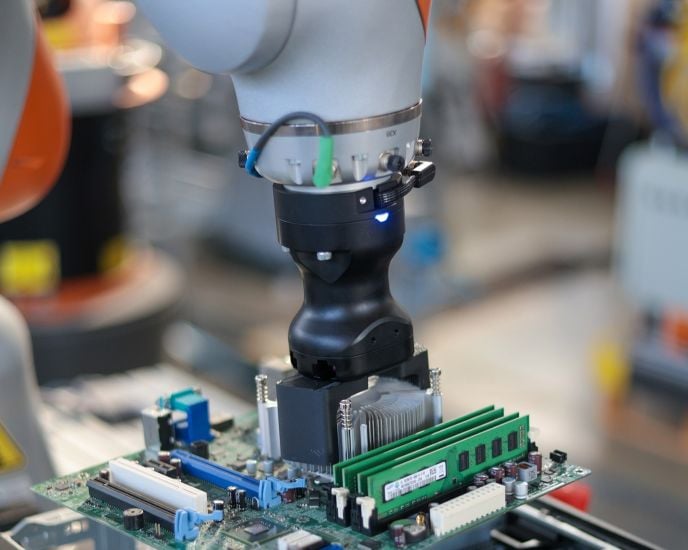
Fraunhofer’s iDEAR project uses machine vision, artificial intelligence, and robotics to handle e-waste. Image used courtesy of Fraunhofer
Fraunhofer’s Automated Recycling Research
Part of the expense associated with e-waste recycling is the labor required to manually disassemble electronics. An old desktop computer may have numerous precious metals in its circuit boards, but to get to those circuit boards, multiple screws must be removed, plastic clips opened, more screws removed and then the circuit boards stripped of components. Some things are sealed with epoxy, heat transfer paste, and other toxic chemicals. It is a problem ripe for an automated solution.
Fraunhofer researchers, as part of the Intelligent Dismantling of Electronics for Remanufacturing and Recycling (iDEAR) project, are developing an automated solution to tackle the mounting problem of e-waste. This solution begins with the use of machine vision fed by 3D cameras so e-waste can be evaluated for its composition. The make and model number are checked against a catalog to determine which materials are present. This routine can determine the economic viability, environmental risks, and other concerns related to the device. Also, the geometry, tools required for disassembly, and other parameters can be determined based on the manufacturer and the device's serial number.
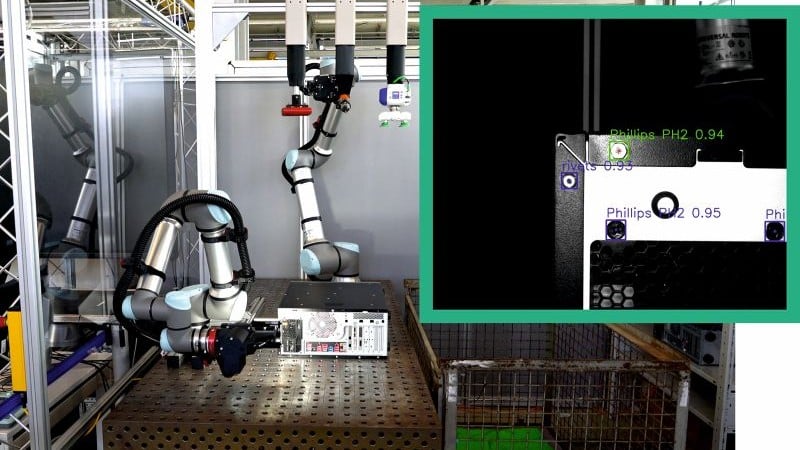
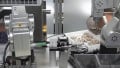
A robot cell at Fraunhofer has located and identified screws for removal. Image used courtesy of Fraunhofer
From the visual data, the AI routines can determine what type of disassembly can be performed. For example, screws that have rusted in place or have stripped heads require extra manual labor and are not suited for automation. The software can evaluate these screws and determine whether it is worth attempting to disassemble the device fully or whether some form of partial disassembly is possible and valuable instead.
Once the digital twin of the device and its disassembly procedure have been developed, the automation system can take over. Robots can handle the mundane and labor-intensive operations, such as turning screws, cutting, picking, and sorting, and some of the components can be sent to chemical treatment for removal of additional materials.
Automating E-Waste Recycling
Fraunhofer and other researchers have begun questioning how to make e-waste recycling more affordable. Currently, it is not cost-effective to disassemble electronics at the end of their lives. Still, as the demand for precious metals rises and companies evaluate their environmental, social, and governance (ESG) commitments, the e-waste question will become more important. Groups like Fraunhofer already have a head start on recycling techniques.
Related Content