Facebook
 Google
 GitHub
 Linkedin
Zebra Technologies Employs Deep Learning To Boost Machine Vision
Zebra Technologies has announced its newly upgraded Aurora machine vision software, which integrates new deep learning tools for enhanced visual inspection applications.
Zebra Technologies has announced the incorporation of new deep learning tools into its Aurora machine vision software. This software provides manufacturers with tools for training deep learning models in object detection and defect detection and provides a user-friendly virtual interface for modifying and customizing advanced vision applications.
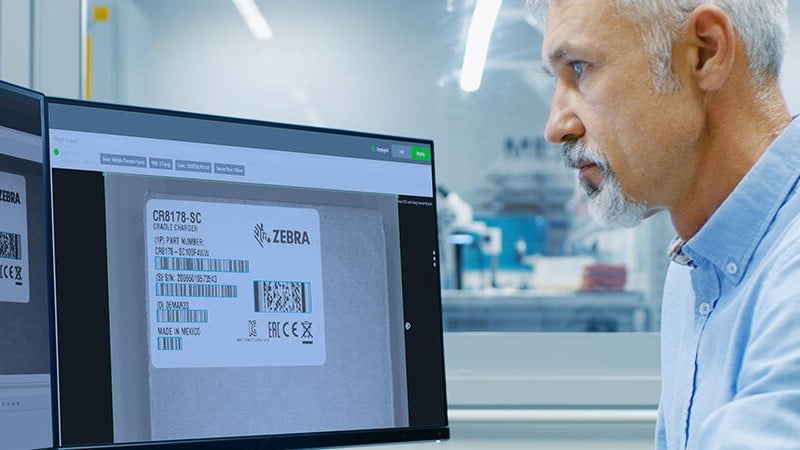
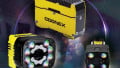
Zebra Technologies has integrated new deep learning tools into its Aurora machine vision software. Image used courtesy of Zebra Technologies
Aurora Design Assistant
Zebra Technologies’ Aurora Design Assistant streamlines the development process by enabling customers to create applications by constructing flowcharts instead of writing conventional code. Additionally, the software renders it possible to develop web-based HMIs that optimize application control and user interaction.
With Zebra Technologies’ new deep learning tools for machine vision, users now have an exclusive workspace to teach object detection models using the most recent version of the Aurora Imaging Copilot. This negates the need for long-winded coding jobs and helps streamline the model creation process.

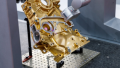
The Aurora Vision Studio offers a no-code application configuration process and a drag-and-drop-based graphical user interface to aid in 1D code and 3D object recognition. Image used courtesy of Zebra Technologies
Aurora Vision Studio
Zebra Technologies’ Aurora Vision Studio is a no-code machine vision application generation hub, providing 1000 curated filters for image analysis. These filters are available via a drag-and-drop system to help engineers integrate them into programs in a user-friendly, gamified fashion. Aurora Vision Studio guides users through a three-step process to create customized applications, which Zebra Technologies says can help enhance 1D code and 3D object recognition.
Aurora Vision Studio was created for industrial applications to meet the specific requirements of each project and adapt to operational style. Zebra Technologies asserts that its software is hardware-agnostic and works with most machine vision cameras available on the market. With the company’s latest deep learning tools, Aurora Vision Studio users benefit from a more advanced training engine with quicker and more repeatable results.
Aurora Imaging Library
Zebra Technologies' Aurora Imaging Library is a software development kit (SDK) for machine-vision applications that provides users access to various tools for analyzing 2D and 3D images and data. With the newest deep learning tools, Aurora Imaging Library users benefit from enhanced defect detection capabilities without the need for supervised training required by other deep learning tools.
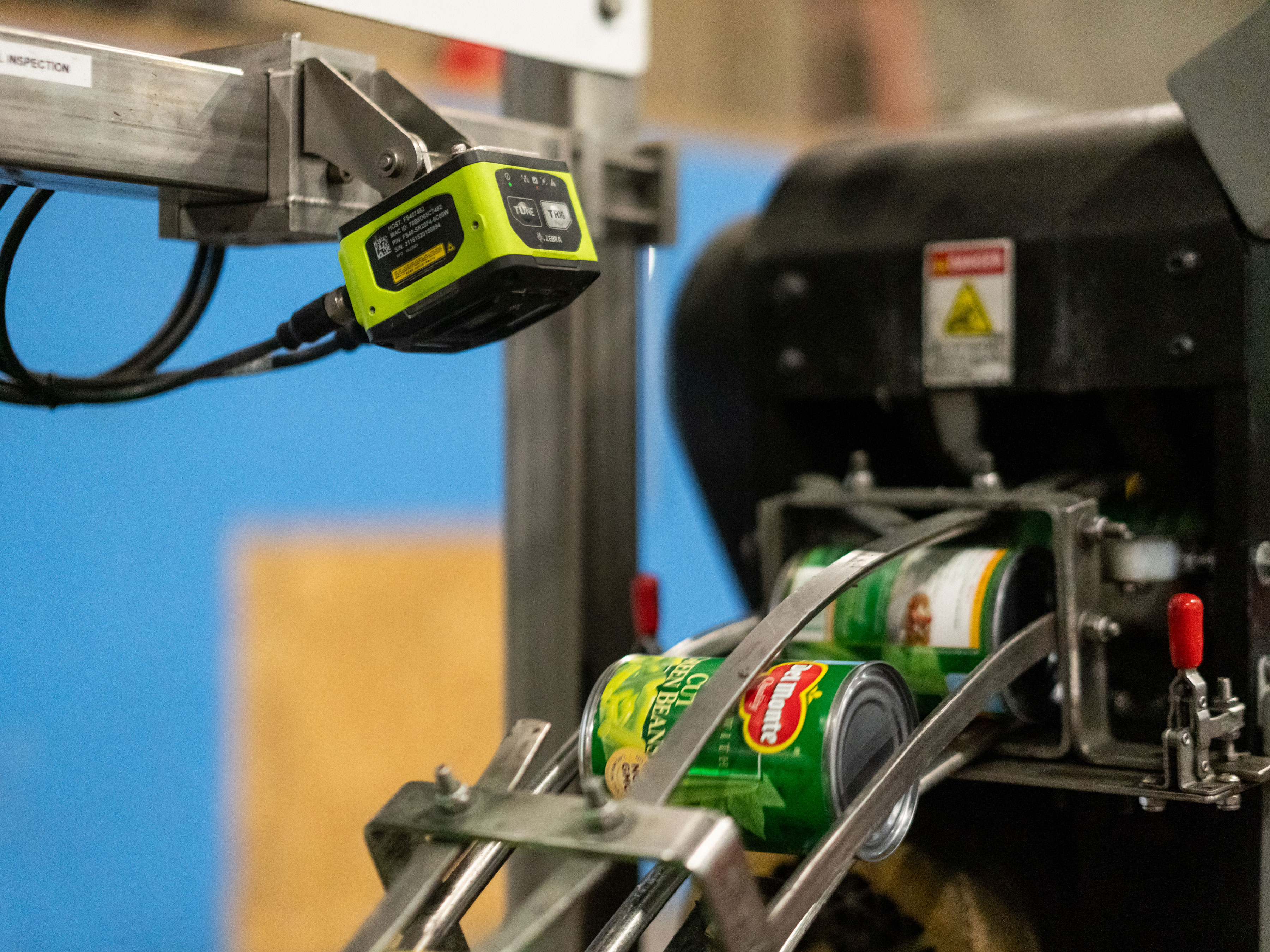
Zebra Technologies' new deep learning tools aim to enhance machine vision applications, meeting manufacturers’ growing use of AI. Image used courtesy of Zebra Technologies
AI in Manufacturing
Manufacturers are seeking to implement AI within their manufacturing and supply chain operations to boost product throughput, quality, and transparency and relieve the pressure induced by labor costs and shortages. According to Fictiv's 2024 State of Manufacturing report, which includes survey data from 178 industry leaders in supply chain, manufacturing, engineering, and new production management, 50% of survey respondents strongly agreed that integrating AI into their operations was essential for their business success, and 37% agreed somewhat.
Overall, the perceived benefit of AI looks positive. Eighty-four percent of leading industry players said that the implementation of AI is already providing value. A greater proportion of survey respondents indicated that they were leveraging AI capabilities for supply chain management (51%), product design (47%), and quality control and inspections (46%). With its latest developments in deep learning, Zebra Technologies aims to support manufacturers in leveraging AI to solve complex challenges and drive growth.