Facebook
 Google
 GitHub
 Linkedin
DIN Valve Connectors: Types, Applications, and Benefits
DIN valve connectors, not to be confused with DIN rails, are a common electrical connector for valves in the automation industry, efficiently providing power to valves, sensors, and even small motors.
Proper wiring and connections of electrical components have a tendency to be overlooked when compared against such major topics as motion, programming, and SCADA. However simple, it’s important to pick the right components, since so many troubleshooting problems come down to a simple faulty wire connection or termination.
What Are DIN Valve Connectors?
When control engineers and technicians hear the word ‘DIN,’ we most often think of DIN rails, a type of electrical cabinet mounting system. However, DIN stands for "Deutsches Institut für Normung," which translates to "German Institute for Standardization" and is the national standards organization of Germany, similar to ANSI (American National Standards Institute) in the U.S. and ISO (International Organization for Standardization) globally. DIN standards cover various industries, including mechanical, electrical, automotive, and industrial automation.
DIN valve connectors are standardized electrical connectors commonly used for solenoid valves, pressure switches, and other automation components.
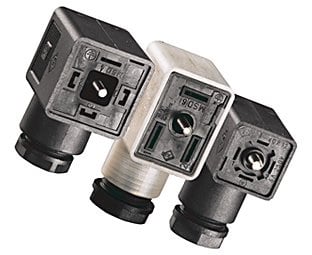
Figure 1. DIN connectors can be used for many different applications in the automation industry. Image courtesy of Rockwell Automation
DIN valve connectors follow DIN 43650 (also known as EN 175301-803) to ensure compatibility across manufacturers. For DIN valve connectors, the relevant standard defines the shape, pin configurations, and electrical specifications for solenoid valve connectors.
DIN 43650 connectors are also used for other devices like limit switches, pressure switches, proximity switches, and more. This article will focus on the kind specifically intended for use with valves, but all follow similar design specifications. Whatever their intended use, DIN connectors offer users a convenient, standardized device connection system for powering a myriad of different valves, sensors, or even small motors.
Types of DIN Valve Connectors
DIN valve connectors come in three different form factors, each suited for specific applications:
Form A
Form A is the largest connector type, typically used for higher-power solenoid valves. They have a pin spacing of approximately 18 mm and are commonly found in industrial applications where robust electrical connections are needed. Form A valves are easy to identify because of their large size and measure 1 inch by 1 inch square. They can be found in either 2-pole or 3-pole + ground options.
Form B
A smaller connector with a more compact profile, they are often found in hydraulic and pneumatic systems with manifold blanks. Sometimes referred to as “micro valve connectors,” their rectangular shape allows for more of them to fit into a smaller footprint side by side.
Form B has two common variations, an 11 mm pin spacing and a 10 mm pin spacing, when measured between the #1 pin and the #2 pin. 11mm spacing is standard, and they are typically used in lower-power applications where space is limited. They come in a 2 pole + ground configuration, and the 11 mm connector includes three flat blade connectors, whereas the 10mm includes a flat blade connector with two u-shaped connectors.
Form C
Form C is the most compact version, is ideal for limited space applications, and is often called “sub-micro valve connectors.” They have an 8 or 9.4 mm pin spacing when measured between pins 1 and 2. These tiny valve connectors are commonly used in miniature solenoid valves and control circuits. Form C connectors are available in 2-pole or 3-pole + ground options.
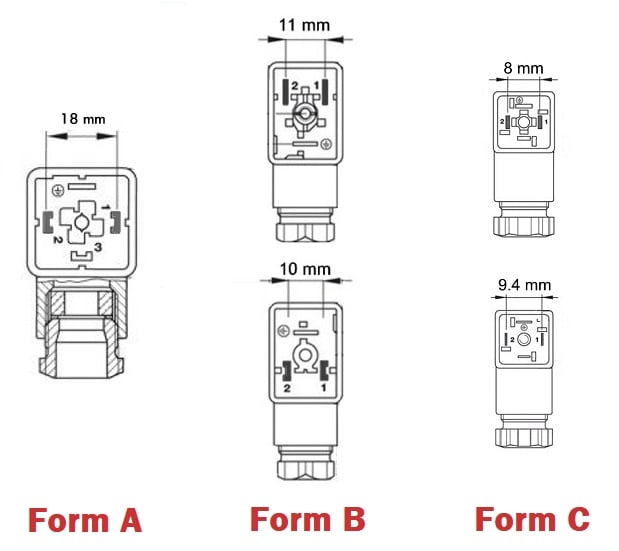
Figure 2. Forms A-C in order from left to right. Images courtesy of Products For Automation
Each form factor is designed to create a secure electrical connection, often providing a rating at or above IP65 for protection against dust and moisture when properly installed with a gasket. The choice of form factor depends on the available space, power requirements, and environmental conditions.
Internal Circuitry & Protection Features
Many DIN valve connectors include additional protective components to enhance reliability and system performance. These features not only improve the durability of the connectors but also protect the connected equipment.
LED indicators help to provide a visual confirmation that power is reaching the solenoid coil, making troubleshooting easier. This feature is particularly useful in large industrial systems where manual diagnostics can be complex and time-consuming.
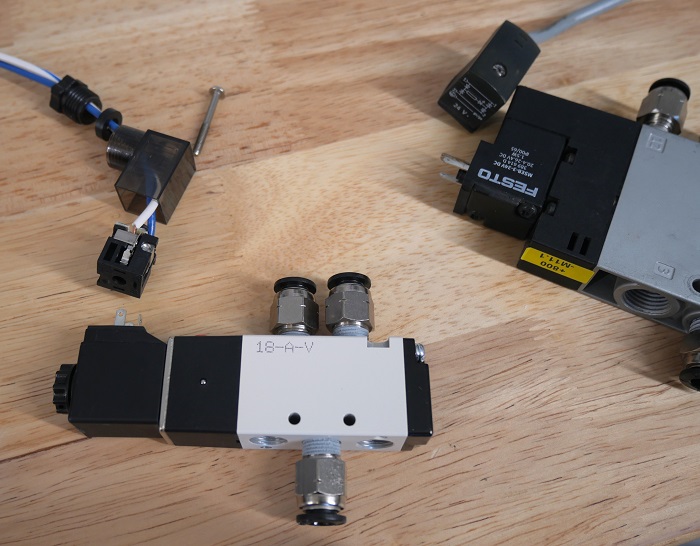
Figure 3. Disassembled DIN connectors and plugs on pneumatic valves. Image used courtesy of Control.com
Rectifiers & diodes reduce electrical noise and prevent back-EMF (‘flyback’ or ‘freewheeling’) damage. When a solenoid valve is de-energized, it can produce a reverse voltage spike, which may damage sensitive electronic components. A diode helps to absorb this energy and protect the system.
Suppressor circuits included in some connectors provide transient voltage suppression (TVS) diodes or metal oxide varistors (MOVs) to further protect against surges. These features help extend the lifespan of solenoid valves and improve system stability by reducing the risk of electrical damage.
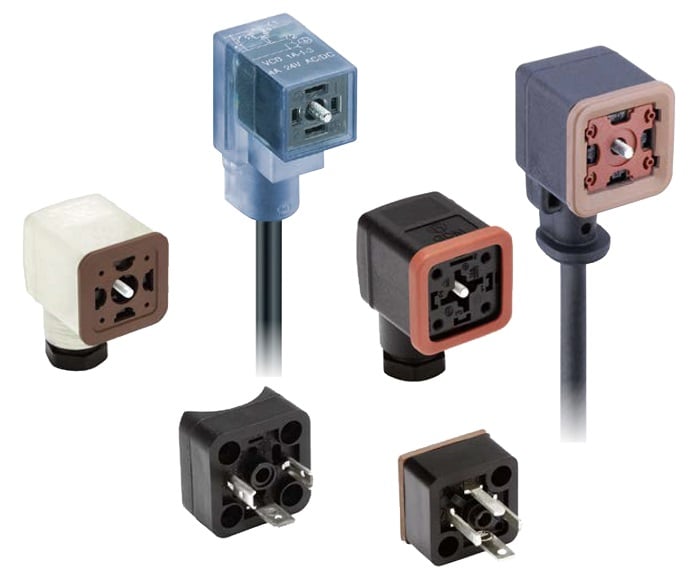
Figure 4. Various DIN connectors and plugs. Image used courtesy of Belden
Applications of DIN Valve Connectors
DIN valve connectors are widely used throughout industrial and even some commercial applications, particularly where solenoid valves and sensors are involved.
The most familiar applications include hydraulic and pneumatic solenoid valves. These are used in fluid control systems for industrial automation, machine tools, and automotive manufacturing.
DIN connectors enable the reliable operation of some electric actuators and pumps in automated systems, including conveyor belts and robotic machinery. Pressure and temperature sensors found in HVAC systems, industrial process control, and laboratory instrumentation may also use DIN connectors. The versatility and consistency of DIN connectors make them a standard choice in industrial automation, fluid power, and process control applications.
Choosing the Right DIN Connector
When selecting a DIN valve connector, it’s important to consider several key factors to ensure compatibility and optimal performance. When choosing the appropriate size, DIN form factor needs to be known, and the pin spacing (form A, B, or C) needs to match the solenoid valve or device in question. Common voltage ratings include 12, 24, and 120 volts in AC or DC systems, with maximum current ratings typically ranging from 2 to 10 amps.
For applications requiring protection from electrical noise or voltage spikes, connectors with built-in surge suppression, rectifiers, or diodes can be purchased to protect IP protection levels can be purchased, such as IP65, 67, or 68. The last thing to be considered is the amount of movement or vibration present in the application since an optional strain relief version can help with the longevity of the connector.
Careful consideration of these factors can ensure that your DIN valve connectors provide reliable performance and long-term durability in your specific application.
Related Content