 Facebook
 Google
 GitHub
 Linkedin
Understanding Manufacturing Operations Management (MOM)
Manufacturing operations management can be a vague concept in industry. Like many others, it encompasses different — and often overlapping — aspects of the process depending on the application.
Many systems work together to keep an operation in running order. Most of those systems are known by sets of acronyms, and learning the differences can avoid costly overlaps when pricing out products and services. One of these systems that affects operations at an enterprise level is known as Manufacturing Operations Management (MOM).
What is Manufacturing Operations Management?
MOM is a set of software controls and systems that run factory hardware. It includes the dashboards that the operators use, the data collection and storage systems, and the bridge to hardware in the facility. It encompasses more than just the mechanics of machine control; it includes aspects of market demands, maintaining inventory, shipping, and many other essential tasks that can make or break a manufacturing facility.
Nearly every modern factory has some form of MOM. There is some logic behind how operations are executed and how business and maintenance decisions are made. Successful businesses are not passive about implementing MOM; they take an active role in building systems and developing custom software tools to enhance efficiency.
While the concept of MOM may be a bit less than concrete, ISA-95 addresses MOM, placing it in Level 3 of its information model hierarchy. Level 3 provides the interface between monitoring and supervisory control, such as the actual PLCs, to the business end, including logistics, scheduling, and inventory. MOM also deals with longer time scales, shifts and hours, versus the fraction of a second that lower-level control systems operate.
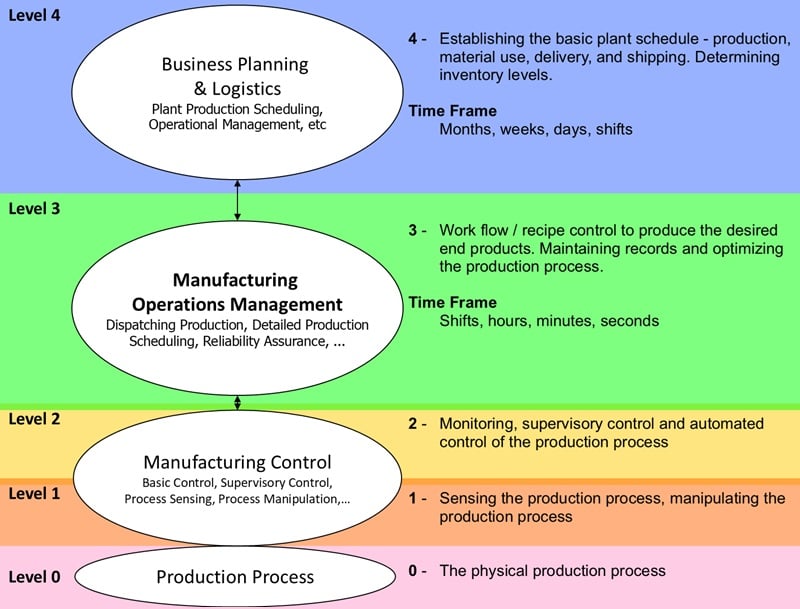
Figure 1. The ISA-95 hierarchy. Image used courtesy of the OPC Foundation
Software Systems in MOM
At its core, MOM is software. It may include controller interfaces, human-machine interfaces (HMIs), dashboards, Gantt charts, Kanban boards, spreadsheets, and numerous other commonly used tools. Without a plan, these software systems end up as separate, siloed systems. Integrating and organizing these tools is an important part of manufacturing strategy. Regardless of the amount of organization, MOM typically has several key components.
There are four key functions of systems under MOM: Production, Maintenance, Inventory, and Quality. These four systems must be integrated; imagine trying to increase production to meet rising demand when shipping is not moving inventory out, or scheduling preventative maintenance without having the consumable components in stock.
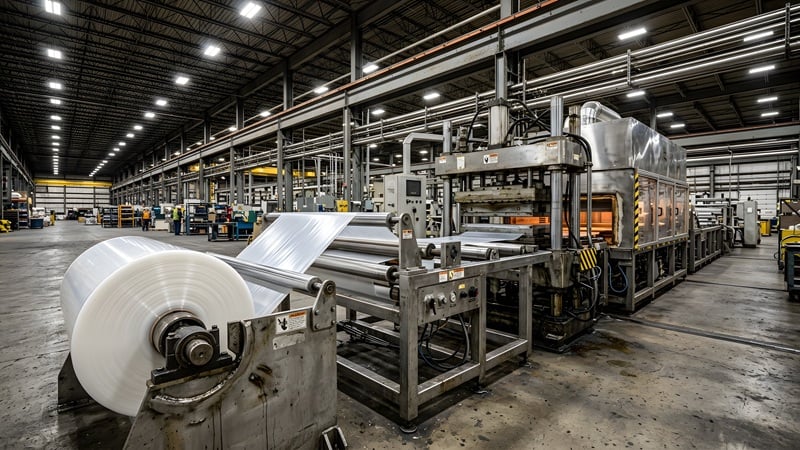
Figure 2. Production: converting raw materials into final product. Image used courtesy of Adobe Stock
Production
Production functions include all of the systems that convert raw materials into final products. This encompasses everything from software rules for systems, scheduling routines for regular operation, process control interfaces, and other such components. It often includes the traditional Manufacturing Execution System (MES).
Maintenance
Maintenance functions are used for collecting and evaluating diagnostic data. The idea is to drive reactive maintenance tasks into preventative maintenance tasks, and preventative maintenance tasks into predictive maintenance tasks. These functions also interface scheduling applications so that planned maintenance downtimes can be scheduled around production needs, and operations can be routed around downed equipment.
Inventory
Inventory functions not only track product inventory ready to be shipped, but also raw material stocks, spare and replacement part capabilities, and so on. The most advanced inventory functions can predict where inventory bottlenecks will occur and adjust stocks appropriately. Besides tracking numbers, the inventory management system maintains the genealogy and history of products as they move through the plant. If there was a quality excursion due to a faulty machine, the inventory management system can identify all of the affected products.
Quality
The quality management system integrates all of the during- and post-production quality measures and metrics. It works with the inventory tracking system to determine where quality excursions may have occurred, or where they might occur in the future. Inspections, test results, standard templates for documenting problems, and so on are included in this sub-system.
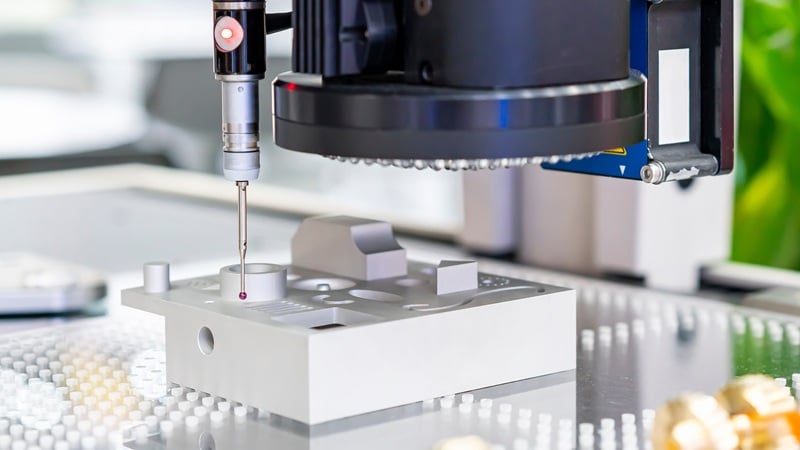
Figure 3. Quality control involves sensing, vision, and often manual inspection to meet production standards. Image used courtesy of Adobe Stock
Customizing MOM to Meet Business Needs
Consider a common operating scenario in a manufacturing plant. An operator takes a mix of manual measurements and automatically recorded machine data and compiles them into a spreadsheet. The spreadsheet is sent to engineering, who evaluates it at the beginning of the shift. Engineering reviews this data, but then pulls their own dashboard written using pivot tables and decides to make an adjustment to the process. They also pull up a calendar app to decide when to schedule the next preventative maintenance operation.
Without an organizational structure, these systems rely heavily on the individuals who created each. The learning curve is steep for new hires, and tremendous knowledge is lost with each retirement. Hardware or software gets upgraded and the whole process becomes buggy or more prone to human error.
MOM provides the framework and hierarchy for the facility. From there, plant personnel can customize the actual tools that populate the framework to meet the specific needs of the plant. Standardized templates provide interconnectivity and worker familiarity, but the specifics may vary.
Consider the creation of HMIs. A standard template can be used across the enterprise. Each role may require different specifics on their HMI. A worker who switches jobs will be able to navigate their new role’s HMIs if they are based on the same template as their old role’s HMIs.
The Future of MOM
It may seem like MOM is a new buzz-acronym that the corporate office has created to describe a control system. In reality, MOM will always exist in the manufacturing environment. The facilities that take an active role in deliberately creating efficient MOM will likely see reduced scrap rates, operating costs, and throughput tailored to business needs.