 Facebook
 Google
 GitHub
 Linkedin


GE Frame 9E (Mark VIe) – Loss of Flame Trips Above 105 MW: FSRN/FSRT Crossover
Hello everyone,
I would appreciate technical advice from engineers experienced with GE Frame 9E gas turbines and Mark VIe control systems.
We are experiencing a recurring Loss of Flame trip on our GE Frame 9E gas turbine (GT#01) at high load, generally above 105 MW, and I am trying to identify the root cause before making any control-logic or combustion-tuning changes.
1. Turbine and control system
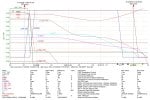
During high-load operation, we observed that FSR repeatedly shifts between FSRN and FSRT. Just before the trip, FSRT remains active for approximately two minutes, after which the turbine trips on Loss of Flame.
Our signal identification is as follows:
The FSRT and FSRN values are currently much closer than they were historically at comparable loads. The FSR reference changes between these two signals, and FSRN can suddenly decrease below the previously active reference.
I am investigating whether the reduction in FSRT and the resulting fuel-reference transfer are contributing to the loss of flame.
3. FSRT calculation and increased TTXM
The FSRT calculation in our control logic is understood to be:
FSRT = (TTRXB − TTXM) × 0.2 + FSR
TTXM is derived from the corrected readings of 24 exhaust thermocouples, using a median/representative temperature calculation.
Historical and current operating data at approximately 110 MW show the following:
If TTRXB and the other terms remain unchanged, a 28°F increase in TTXM would reduce the calculated FSRT by approximately 5.6 FSR units.
My current hypothesis is that the increased TTXM is reducing FSRT until it falls below FSRN, causing the fuel reference to transfer to the lower value. Could this sequence contribute to a Loss of Flame trip?
I would also appreciate advice on whether this TTXM increase is more likely to indicate a genuine increase in exhaust temperature, a thermocouple measurement issue, or a combination of factors.
4. Fuel gas supply conditions have changed
The plant was shut down for approximately four years following a major incident. During the previous operating period, the fuel gas supply arrangement was:
Following a change in the applicable regulatory conditions, we are now bypassing the second pressure-reduction stage and the gas booster compressor. The turbine is supplied with gas at approximately 24 bar and 25°C.
Therefore, the fuel gas supply temperature has decreased by approximately 35°C, while the nominal pressure supplied to the turbine remains approximately the same.
Could this change in fuel gas temperature, density, metering characteristics, or fuel-control compensation affect actual fuel mass flow, combustion behavior, exhaust temperature, or DLN combustion stability at high load?
We have not yet established that this fuel-gas change is responsible for the problem, but it is an important difference between the historical and current operating conditions.
5. Four-year shutdown and exhaust thermocouple condition
The turbine remained shut down for approximately four years. The exhaust thermocouple terminal boxes are exposed to outdoor weather, and no specific terminal-box maintenance or inspection was carried out before recommissioning.
Could moisture ingress, corrosion, degraded connections, or other thermocouple-circuit problems cause a systematic positive temperature bias in TTXM?
Since TTXM is calculated from 24 corrected thermocouple readings, I would appreciate advice on how to distinguish a genuine overall exhaust-temperature increase from measurement-chain errors.
6. IGV behavior
We have also observed an IGV-related issue during high-load operation, including an event in which the IGV appeared to move toward fully open in preselect load mode.
Could a change in airflow, IGV scheduling, compressor performance, or the fuel-to-air ratio be related to the increased TTXM and the Loss of Flame trips above 105 MW?
I have not yet established a direct causal relationship between the IGV behavior and the FSR problem.
7. Questions for the community
I would particularly appreciate advice on the following:
Before changing FSR-related constants, DLN schedules, IGV schedules, or TTRXB, I intend to compare historical and current operating data at the same load and verify the exhaust-temperature measurement chain, fuel-gas characteristics, actual fuel flow, and relevant Mark VIe control signals.
I would be grateful for any practical troubleshooting experience, particularly from engineers who have worked on GE Frame 9E DLN turbines with Mark VIe controls.
Thank you in advance for your help and suggestions.
Hello everyone,
I would appreciate technical advice from engineers experienced with GE Frame 9E gas turbines and Mark VIe control systems.
We are experiencing a recurring Loss of Flame trip on our GE Frame 9E gas turbine (GT#01) at high load, generally above 105 MW, and I am trying to identify the root cause before making any control-logic or combustion-tuning changes.
1. Turbine and control system
- Turbine: GE Frame 9E
- Control system: GE Mark VIe
- Generator rated output: approximately 150 MVA
- Normal operating load: up to approximately 110 MW
- The problem occurs primarily above 105 MW, particularly around 109–111 MW.
During high-load operation, we observed that FSR repeatedly shifts between FSRN and FSRT. Just before the trip, FSRT remains active for approximately two minutes, after which the turbine trips on Loss of Flame.
Our signal identification is as follows:
- SPD = FSRN
- TEMP = FSRT
The FSRT and FSRN values are currently much closer than they were historically at comparable loads. The FSR reference changes between these two signals, and FSRN can suddenly decrease below the previously active reference.
I am investigating whether the reduction in FSRT and the resulting fuel-reference transfer are contributing to the loss of flame.
3. FSRT calculation and increased TTXM
The FSRT calculation in our control logic is understood to be:
FSRT = (TTRXB − TTXM) × 0.2 + FSR
TTXM is derived from the corrected readings of 24 exhaust thermocouples, using a median/representative temperature calculation.
Historical and current operating data at approximately 110 MW show the following:
- Historical TTXM: approximately 1044°F
- Current TTXM: approximately 1072°F
- Increase: approximately 28°F
If TTRXB and the other terms remain unchanged, a 28°F increase in TTXM would reduce the calculated FSRT by approximately 5.6 FSR units.
My current hypothesis is that the increased TTXM is reducing FSRT until it falls below FSRN, causing the fuel reference to transfer to the lower value. Could this sequence contribute to a Loss of Flame trip?
I would also appreciate advice on whether this TTXM increase is more likely to indicate a genuine increase in exhaust temperature, a thermocouple measurement issue, or a combination of factors.
4. Fuel gas supply conditions have changed
The plant was shut down for approximately four years following a major incident. During the previous operating period, the fuel gas supply arrangement was:
- Gas available from a nearby gas supply source at approximately 55 bar.
- The first pressure-reduction stage reduced the pressure to approximately 24 bar.
- A second stage reduced it to approximately 5.5 bar, and a gas booster compressor was used to provide the required GT supply pressure.
- The gas booster compressor delivered fuel gas to the turbine at approximately 24 bar and 60°C.
Following a change in the applicable regulatory conditions, we are now bypassing the second pressure-reduction stage and the gas booster compressor. The turbine is supplied with gas at approximately 24 bar and 25°C.
Therefore, the fuel gas supply temperature has decreased by approximately 35°C, while the nominal pressure supplied to the turbine remains approximately the same.
Could this change in fuel gas temperature, density, metering characteristics, or fuel-control compensation affect actual fuel mass flow, combustion behavior, exhaust temperature, or DLN combustion stability at high load?
We have not yet established that this fuel-gas change is responsible for the problem, but it is an important difference between the historical and current operating conditions.
5. Four-year shutdown and exhaust thermocouple condition
The turbine remained shut down for approximately four years. The exhaust thermocouple terminal boxes are exposed to outdoor weather, and no specific terminal-box maintenance or inspection was carried out before recommissioning.
Could moisture ingress, corrosion, degraded connections, or other thermocouple-circuit problems cause a systematic positive temperature bias in TTXM?
Since TTXM is calculated from 24 corrected thermocouple readings, I would appreciate advice on how to distinguish a genuine overall exhaust-temperature increase from measurement-chain errors.
6. IGV behavior
We have also observed an IGV-related issue during high-load operation, including an event in which the IGV appeared to move toward fully open in preselect load mode.
Could a change in airflow, IGV scheduling, compressor performance, or the fuel-to-air ratio be related to the increased TTXM and the Loss of Flame trips above 105 MW?
I have not yet established a direct causal relationship between the IGV behavior and the FSR problem.
7. Questions for the community
I would particularly appreciate advice on the following:
- FSR/FSRT logic: Could increased TTXM cause FSRT to fall below FSRN and lead to a fuel-reference transfer that contributes to Loss of Flame? What other signals should be examined to establish the actual trip sequence?
- Fuel gas temperature: Could changing the fuel gas supply temperature from 60°C to 25°C at approximately 24 bar materially affect actual fuel mass flow or DLN combustion stability, depending on the fuel-metering arrangement and temperature compensation?
- DLN tuning: After this change in fuel-gas supply conditions, which fuel-metering calibrations, fuel-split schedules, DLN staging parameters, or combustion-tuning checks should be reviewed against the original OEM commissioning data?
- Exhaust thermocouples: What tests would you recommend to determine whether the 28°F increase in TTXM is genuine or caused by thermocouple, terminal-box, wiring, or signal-processing errors?
- IGV and airflow: Could the observed IGV behavior contribute to the high-load exhaust-temperature increase or flame instability?
- TTRXB and FSRT margin: What engineering checks should be completed before considering any change to the TTRXB calculation or related control constants? I want to avoid masking the underlying cause by modifying a control reference.
Before changing FSR-related constants, DLN schedules, IGV schedules, or TTRXB, I intend to compare historical and current operating data at the same load and verify the exhaust-temperature measurement chain, fuel-gas characteristics, actual fuel flow, and relevant Mark VIe control signals.
I would be grateful for any practical troubleshooting experience, particularly from engineers who have worked on GE Frame 9E DLN turbines with Mark VIe controls.
Thank you in advance for your help and suggestions.