Facebook
 Google
 GitHub
 Linkedin
Two quotations arrive for a confined space gas monitor. Both list four sensors, a rechargeable battery, and audible alarms. One costs less. On a purchasing spreadsheet, the choice looks easy.
Then someone asks whether the price includes the sampling pump. Another asks about the hose, calibration equipment, and replacement filters. The comparison starts again.
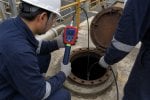 Before placing an order, ask each supplier to show how the proposed equipment will support an actual job. That means checking the gases it measures, the complete sampling arrangement, how warnings reach the crew, and what is needed to keep the kit in service. A product photograph cannot answer those questions.
Bring an operator into the conversation early. The person carrying the instrument may notice a missing accessory or an awkward control long before anyone reviewing the quotation does.
What will the monitor need to measure?
Start with the work the crew performs and the atmosphere they could encounter. Write down what the space contains, what it previously held, and what maintenance or cleaning will happen inside. Include information from the site's hazard assessment rather than expecting a supplier to reconstruct the job from a product inquiry.
A familiar four-gas configuration measures oxygen, combustible gas, carbon monoxide, and hydrogen sulfide. That combination should not be treated as a guarantee that every relevant hazard is covered. Ask for each identified atmospheric hazard to be matched to an appropriate measurement method.
This is also where a generic description such as "detects toxic gases" needs clarification. Which gases? With which installed sensors? At what measuring range? Ask the supplier to identify limitations in writing, including any conditions that affect the proposed measurement.
OSHA's atmospheric-testing guidance calls for equipment suited to the chemicals that may be present and for evaluation by, or review with, a technically qualified professional. The equipment purchase follows that assessment; it does not replace it.
Keep a short configuration sheet alongside the quote. Record the instrument model, installed sensors, measuring ranges, and the work for which the equipment is being considered. Have the site's safety or technical lead review it before purchasing approves the order.
If a supplier offers a different sensor arrangement, compare it against the same requirements. More channels are useful only when they measure something the job needs.
How will the sample reach the sensors?
A wearable monitor and a remote-sampling kit perform different tasks. Diffusion instruments measure gas reaching the sensor locally. A suitable pump and sampling assembly can draw air from a remote point. Decide how pre-entry testing and monitoring during occupied work will be handled before deciding which arrangement to buy.
Ask the supplier to list the complete sampling assembly, not simply write "pump included." The list should identify the hose, its permitted length, the probe, connectors, and any required filters or water protection. Confirm that the proposed accessories are approved for the instrument and intended gases.
Then request a controlled demonstration using that configuration and the manufacturer's procedure. A short test connection on a desk does not demonstrate the same sampling path as the hose your crew plans to use.
For example, a proposed 10-meter hose should prompt a specific discussion about permitted length and sampling time. Ten meters is an example, not a recommended setup. The answer must come from the instructions for the selected instrument and accessories.
OSHA's guidance explains that an attached hose or probe adds time for the sample to reach the instrument. The sensor must then respond. Ask where the required timing is documented, including what the operator must do after moving the sampling point.
Avoid accepting a vague instruction to "wait until the numbers look right." The crew needs a procedure it can repeat.
Ask how the manufacturer checks the assembled sampling path and detects a flow problem. Keep these checks separate from the sensor's response to test gas. Have the supplier explain what each check establishes and what it cannot establish.
What happens when something goes wrong?
Request more than a demonstration of the normal display. Ask to see the gas alarms, low-battery warning, and relevant instrument or pump faults using approved demonstration methods. Do this in a safe setting, without exposing anyone to a hazardous atmosphere.
The operator should be able to explain the difference between a gas warning and an equipment fault after the demonstration. Ask what action the manual requires for each. A fault must not be interpreted as evidence of safe air.
Try ordinary handling tasks with the gloves used for the job. Can the operator read the screen, identify the active measurement, and recognize the warning? Where would the instrument be worn? Could clothing or other equipment obstruct its intended use? These are purchasing questions worth resolving before a whole fleet arrives.
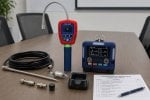
If the proposal includes remote alarms or connected monitoring, ask which parts depend on a network, an accessory, or a service subscription. Have the supplier explain what remains available when that connection is lost. Check how the attendant is expected to receive and act on a warning under the site's procedure.
Data logging needs similar attention. Ask for a sample export rather than a screenshot of a dashboard. Can the supervisor identify the instrument, measurement units, timestamps, and relevant events? What software and access rights are required?
A file that exists but cannot be retrieved by the people managing the equipment is of limited use. Test the handover as well as the feature.
How will the kit stay ready after delivery?
Compare the total package before comparing prices. Ask suppliers to separate the detector, sampling accessories, charging equipment, test equipment, training, and any recurring software charges. Include replacement consumables and servicing arrangements in the discussion.
When reviewing the multi-gas detector range from Otywell, use the category page to identify options for a technical inquiry. Request written confirmation of the exact sensors, sampling arrangement, and approvals needed for your application. Do not assume every model in a category shares the same capabilities.
Before accepting delivery, match the shipped equipment against the agreed configuration. Check model suffixes and accessory part numbers, not just the quantity of carrying cases. A substitution should be reviewed before the crew uses it.
The acceptance record can stay short: what was supplied, which checks were witnessed, what instructions were handed over, and which questions remain unresolved. Someone should own each unresolved item. Avoid signing off a kit as ready while its operating instructions or required accessories are still missing.
Also decide who will arrange routine checks, calibration, and repairs. Ask about service turnaround and what the site will use when an instrument is unavailable. A lower purchase price does not answer the operational question of how work will continue during maintenance.
The final choice should leave the crew with a defined kit, usable instructions, and a practical support plan. Buying a confined space gas monitor does not authorize entry or replace the site's other safety controls.
Before releasing the equipment, hand the case to the intended operator. Can that person identify the parts, find the sampling instructions, perform the required checks, and explain what to do when the instrument warns of a problem? That is a more useful acceptance test than whether the display switched on.
Then someone asks whether the price includes the sampling pump. Another asks about the hose, calibration equipment, and replacement filters. The comparison starts again.
Before placing an order, ask each supplier to show how the proposed equipment will support an actual job. That means checking the gases it measures, the complete sampling arrangement, how warnings reach the crew, and what is needed to keep the kit in service. A product photograph cannot answer those questions.Bring an operator into the conversation early. The person carrying the instrument may notice a missing accessory or an awkward control long before anyone reviewing the quotation does.
What will the monitor need to measure?
Start with the work the crew performs and the atmosphere they could encounter. Write down what the space contains, what it previously held, and what maintenance or cleaning will happen inside. Include information from the site's hazard assessment rather than expecting a supplier to reconstruct the job from a product inquiry.
A familiar four-gas configuration measures oxygen, combustible gas, carbon monoxide, and hydrogen sulfide. That combination should not be treated as a guarantee that every relevant hazard is covered. Ask for each identified atmospheric hazard to be matched to an appropriate measurement method.
This is also where a generic description such as "detects toxic gases" needs clarification. Which gases? With which installed sensors? At what measuring range? Ask the supplier to identify limitations in writing, including any conditions that affect the proposed measurement.
OSHA's atmospheric-testing guidance calls for equipment suited to the chemicals that may be present and for evaluation by, or review with, a technically qualified professional. The equipment purchase follows that assessment; it does not replace it.
Keep a short configuration sheet alongside the quote. Record the instrument model, installed sensors, measuring ranges, and the work for which the equipment is being considered. Have the site's safety or technical lead review it before purchasing approves the order.
If a supplier offers a different sensor arrangement, compare it against the same requirements. More channels are useful only when they measure something the job needs.
How will the sample reach the sensors?
A wearable monitor and a remote-sampling kit perform different tasks. Diffusion instruments measure gas reaching the sensor locally. A suitable pump and sampling assembly can draw air from a remote point. Decide how pre-entry testing and monitoring during occupied work will be handled before deciding which arrangement to buy.
Ask the supplier to list the complete sampling assembly, not simply write "pump included." The list should identify the hose, its permitted length, the probe, connectors, and any required filters or water protection. Confirm that the proposed accessories are approved for the instrument and intended gases.
Then request a controlled demonstration using that configuration and the manufacturer's procedure. A short test connection on a desk does not demonstrate the same sampling path as the hose your crew plans to use.
For example, a proposed 10-meter hose should prompt a specific discussion about permitted length and sampling time. Ten meters is an example, not a recommended setup. The answer must come from the instructions for the selected instrument and accessories.
OSHA's guidance explains that an attached hose or probe adds time for the sample to reach the instrument. The sensor must then respond. Ask where the required timing is documented, including what the operator must do after moving the sampling point.
Avoid accepting a vague instruction to "wait until the numbers look right." The crew needs a procedure it can repeat.
Ask how the manufacturer checks the assembled sampling path and detects a flow problem. Keep these checks separate from the sensor's response to test gas. Have the supplier explain what each check establishes and what it cannot establish.
What happens when something goes wrong?
Request more than a demonstration of the normal display. Ask to see the gas alarms, low-battery warning, and relevant instrument or pump faults using approved demonstration methods. Do this in a safe setting, without exposing anyone to a hazardous atmosphere.
The operator should be able to explain the difference between a gas warning and an equipment fault after the demonstration. Ask what action the manual requires for each. A fault must not be interpreted as evidence of safe air.
Try ordinary handling tasks with the gloves used for the job. Can the operator read the screen, identify the active measurement, and recognize the warning? Where would the instrument be worn? Could clothing or other equipment obstruct its intended use? These are purchasing questions worth resolving before a whole fleet arrives.
If the proposal includes remote alarms or connected monitoring, ask which parts depend on a network, an accessory, or a service subscription. Have the supplier explain what remains available when that connection is lost. Check how the attendant is expected to receive and act on a warning under the site's procedure.
Data logging needs similar attention. Ask for a sample export rather than a screenshot of a dashboard. Can the supervisor identify the instrument, measurement units, timestamps, and relevant events? What software and access rights are required?
A file that exists but cannot be retrieved by the people managing the equipment is of limited use. Test the handover as well as the feature.
How will the kit stay ready after delivery?
Compare the total package before comparing prices. Ask suppliers to separate the detector, sampling accessories, charging equipment, test equipment, training, and any recurring software charges. Include replacement consumables and servicing arrangements in the discussion.
When reviewing the multi-gas detector range from Otywell, use the category page to identify options for a technical inquiry. Request written confirmation of the exact sensors, sampling arrangement, and approvals needed for your application. Do not assume every model in a category shares the same capabilities.
Before accepting delivery, match the shipped equipment against the agreed configuration. Check model suffixes and accessory part numbers, not just the quantity of carrying cases. A substitution should be reviewed before the crew uses it.
The acceptance record can stay short: what was supplied, which checks were witnessed, what instructions were handed over, and which questions remain unresolved. Someone should own each unresolved item. Avoid signing off a kit as ready while its operating instructions or required accessories are still missing.
Also decide who will arrange routine checks, calibration, and repairs. Ask about service turnaround and what the site will use when an instrument is unavailable. A lower purchase price does not answer the operational question of how work will continue during maintenance.
The final choice should leave the crew with a defined kit, usable instructions, and a practical support plan. Buying a confined space gas monitor does not authorize entry or replace the site's other safety controls.
Before releasing the equipment, hand the case to the intended operator. Can that person identify the parts, find the sampling instructions, perform the required checks, and explain what to do when the instrument warns of a problem? That is a more useful acceptance test than whether the display switched on.