Facebook
 Google
 GitHub
 Linkedin
How Do We Improve Uptime in a Faulting Wafer Handling Robot?
Learn how to improve wafer handling robot uptime by identifying common faults, optimizing maintenance, and applying practical troubleshooting.
Automation plays a major role in the manufacturing process of semiconductors. Inside the walls of all contemporary wafer factories, handling robots move the fragile wafers within process tools, load ports, and inspection stations. Even the slightest interruptions in the continuous automation processes can greatly disrupt manufacturing schedules.
Delays, loss of throughput, and expensive downtime are the most immediate results of frequent failures in wafer handling robots. Engineers must pay more attention to the enhancement of wafer handling robot uptime. A stable system allows fabs to maintain predictable production and protect wafer quality.
This article explains common causes of faults and introduces practical engineering methods that improve wafer handling automation uptime and system reliability.
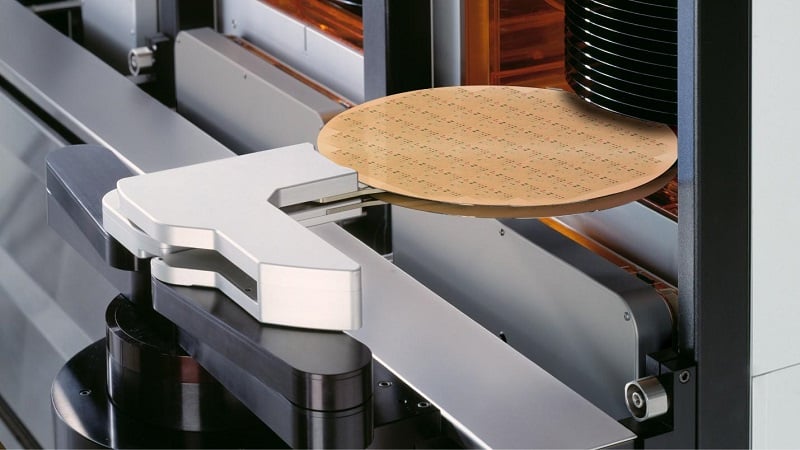
Figure 1. Handling wafers can be one of the most delicate and expensive robotic operations. Image used courtesy of Kensington Labs
Wafer Handling Robot Uptime: Why Does it Matter?
In semiconductor fabs, automation systems work around the clock. One wafer transfer robot can handle thousands of wafers per day. When the same robot has recurring faults, it causes a slump in the whole production process.
Downtime creates several problems:
- Delays in wafer processing
- Higher maintenance costs
- Reduced manufacturing throughput
- Scheduling disruptions across production lines
Strong wafer handling system reliability allows fabs to maintain continuous wafer movement across tools and modules. This reliability becomes even more significant in advanced manufacturing nodes where production timelines are extremely tight.
Common Causes of Wafer Handling Robot Faults
In most cases, frequent failures are caused by mechanical, electrical, and software problems. The initial step in effective semiconductor wafer handling robot troubleshooting is identifying the root cause of the problem.
1. Mechanical Wear
Over time, robot components experience natural wear. The precision of bearings, belts, and linear guides will be decreased through constant movement.
Typical signs include:
- Irregular robot arm movement
- Increased vibration during wafer transfer
- Positioning errors
These problems often trigger wafer transfer robot errors that halt operation until maintenance is completed.
2. Sensor Alignment Problems
Wafer handling robots depend heavily on sensors to find wafer position and confirm successful transfers.
Misaligned or contaminated sensors can cause:
- False wafer detection signals
- Transfer interruptions
- Robot fault alarms
Many EFEM robot troubleshooting cases involve recalibrating sensors or replacing damaged units.
3. Vacuum or End Effector Issues
The robot end effector grips wafers during transport. Vacuum pressure plays a major role in this process.
Common problems include:
- Weak vacuum pressure
- Contaminated vacuum lines
- End effector wear
These faults often appear as wafer handling robot faults triggered during pickup or placement operations.
4. Software Communication Errors
Robots operate within integrated automation environments that incorporate many parts of the manufacturing process.
Associated process elements include:
- Equipment controllers
- Manufacturing execution systems
- Process tools
Communication interruptions between these systems can cause robot alarms or incomplete transfer commands. These issues frequently lead to semiconductor robot downtime until the system resets.
A Practical Approach to Semiconductor Robot Troubleshooting
Recognizing the fundamental root cause of breakdowns requires a careful, methodical approach to the problem-solving process, not from scattered trial-and-error. An organized strategy mitigates delays and prevents recurring issues.
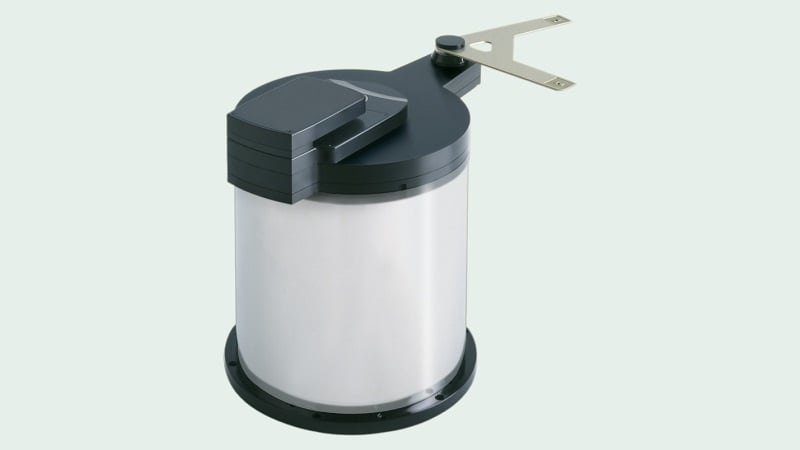
Figure 2. Proper troubleshooting can reduce lost downtime costs in semiconductor manufacturing. Image used courtesy of Kensington Labs
Step 1: Analyze Error Logs
Modern wafer handling robots generate detailed fault logs. These logs reveal patterns in robot alarms, including:
- Axis movement faults
- Vacuum errors
- Sensor misreads
Reviewing these records assists technicians find out recurring fault conditions.
Step 2: Inspect Mechanical Components
Mechanical inspection should focus on parts exposed to constant motion.
- Robot arm joints
- Linear guides
- Drive belts
- Motor couplings
Early detection of mechanical wear can prevent larger failures and improve wafer robot reliability.
Step 3: Check Sensors and Alignment
Technicians should regularly check sensor alignment, as it plays a significant role in wafer handling automation uptime.
- Wafer detection sensors
- Slot mapping sensors
- Alignment cameras
Cleaning or recalibrating sensors resolves many EFEM robot troubleshooting scenarios.
Step 4: Verify Vacuum System Performance
A weak vacuum grip can interrupt wafer transfers. Regular inspection of physical equipment and sensor data can verify operation.
- Vacuum pressure levels
- End effector surface condition
- Tubing and connectors
Replacing worn end effectors often resolves persistent wafer transfer robot errors.
Preventive Maintenance for Wafer Robot Reliability
Many fabs focus on preventive maintenance programs rather than reactive repairs. Regular service schedules greatly improve wafer handling robot uptime.
Typical Preventive Maintenance Tasks
A consistent wafer robot preventive maintenance routine helps avoid unplanned shutdowns. This is an example of several common tasks.
| Maintenance Task | Purpose |
| Lubrication of moving components | Reduces friction and mechanical wear |
| Sensor cleaning and calibration | Maintains accurate wafer detection |
| Vacuum system inspection | Prevents pickup failures |
| Robot arm alignment checks | Maintains precise wafer placement |
| Firmware updates | Resolves software stability issues |
Improving Reliability in EFEM Systems
Many wafer handling robots operate within EFEM (Equipment Front End Module) systems. These modules handle wafer loading, mapping, and transfer between tools. Failures within EFEM environments often affect multiple production steps.
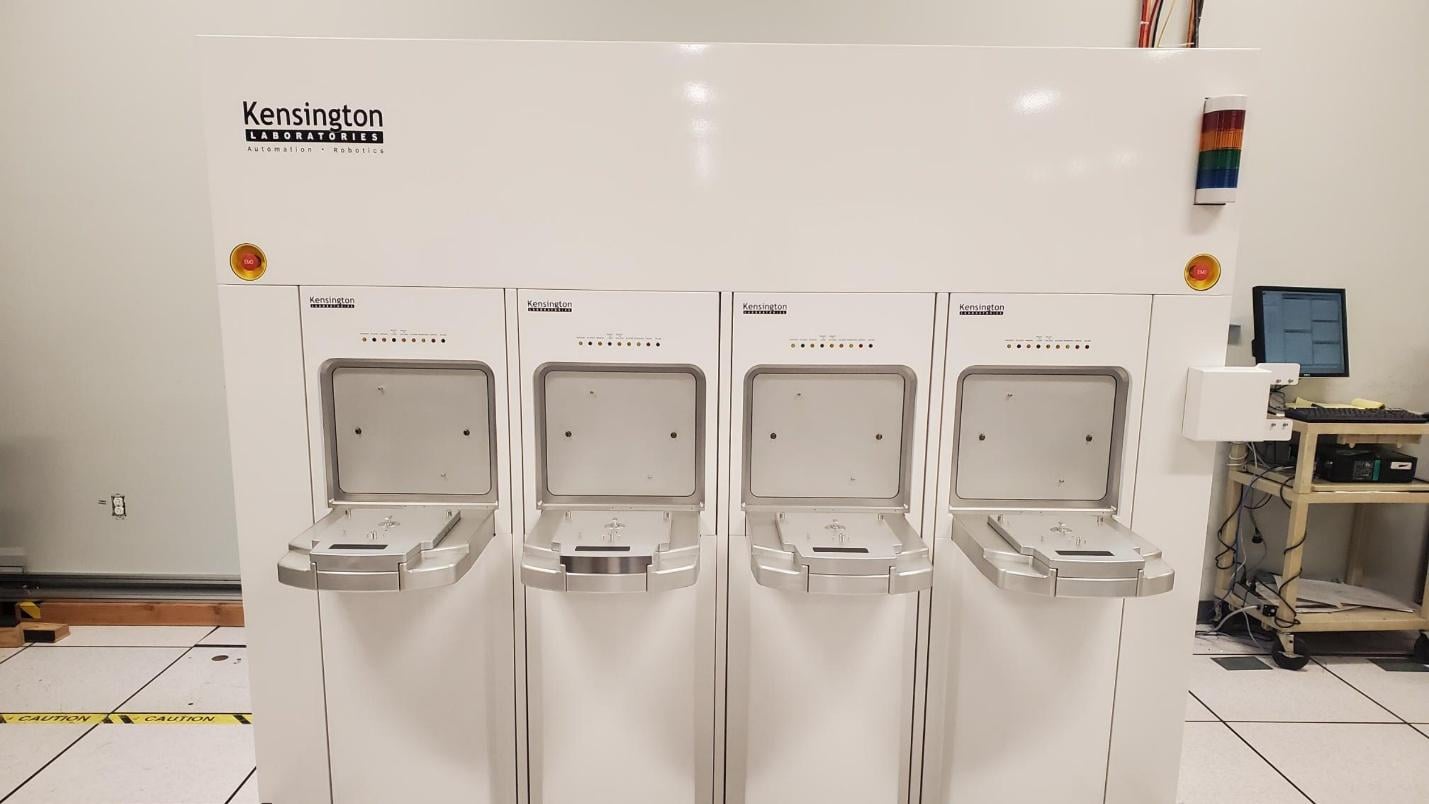
Figure 3. Equipment front-end modules (EFEMs) handle many of the automated wafer processes. Image used courtesy of Kensington Labs
Common EFEM-related issues include:
- Load port alignment errors
- Mapping sensor faults
- Door opening failures
- Communication issues with process tools
Regular inspection and maintenance of EFEM systems play a major role in maintaining high wafer handling system reliability.
Monitoring and Data Analysis for Automation Uptime
Modern fabs increasingly rely on monitoring tools that track robot performance metrics.
Important indicators include:
- Mean time between failures (MTBF)
- Fault frequency
- Transfer cycle times
- Robot axis positioning accuracy
Continuous monitoring supports engineers in uncovering early warning signs of equipment degradation. These insights permit teams to intervene before faults lead to full system shutdowns.
Training and Process Standardization
Poor handling practices or inconsistent maintenance routines often lead to recurring issues. Human factors greatly influence semiconductor robot downtime:
- Standardized troubleshooting procedures
- Maintenance training for technicians
- Clear documentation of robot fault conditions
- Consistent inspection schedules
Structured training programs help teams respond faster to wafer handling robot faults and maintain stable automation performance.
Long-Term Strategies to Improve Wafer Handling Uptime
Organizations seeking long-term improvements typically focus on several operational areas:
- Strong preventive maintenance programs
- Continuous performance monitoring
- Spare parts inventory management
- Standardized troubleshooting protocols
- Integration testing across automation systems
The methods mentioned above prolong the lifespan of wafer handling robots throughout different manufacturing processes and reduce unexpected failures.
Final Thoughts
Automation is a key activity in the manufacturing of semiconductors. One robot malfunction can halt the wafer flow, impacting several production processes. Wafer handling robots demand regular upkeep, careful fixing, and operational tracking with the goal of boosting reliability.
Engineers can significantly reduce semiconductor robot downtime by addressing mechanical wear, aligning the sensor, and improving vacuum and software communication performance. Preventive maintenance programs and stable EFEM systems further support dependable automation across the fab.
Companies such as Kensington Laboratories, a trusted leader in precision robotics and automation solutions for the semiconductor industry, contribute to advancing reliable wafer handling technologies used in modern manufacturing environments.
Having the appropriate processes, semiconductor plants are able to achieve great reliability of wafer handling systems, minimize delays in manufacturing, and enable the effective movement of wafers through the key manufacturing processes.