Facebook
 Google
 GitHub
 Linkedin
Cognex Unveils Vision Systems for Logistics and Semiconductors
New Cognex vision systems help logistics operators scan bottom-side barcodes and semiconductor makers improve wafer and panel traceability and throughput.
Cognex has introduced two vision systems aimed at identification and traceability challenges in logistics and semiconductor manufacturing. The SLX-3804L provides bottom-side barcode reading for conveyor applications, with a slim design that can fit beneath existing equipment and read through gaps as narrow as 5 mm. The In-Sight 1750 uses AI, advanced imaging, and specialized lighting to identify difficult wafer and panel marks while supporting read logging and easier job migration from the In-Sight 1740. Together, the systems target reliable identification, easier deployment, and improved industrial throughput.
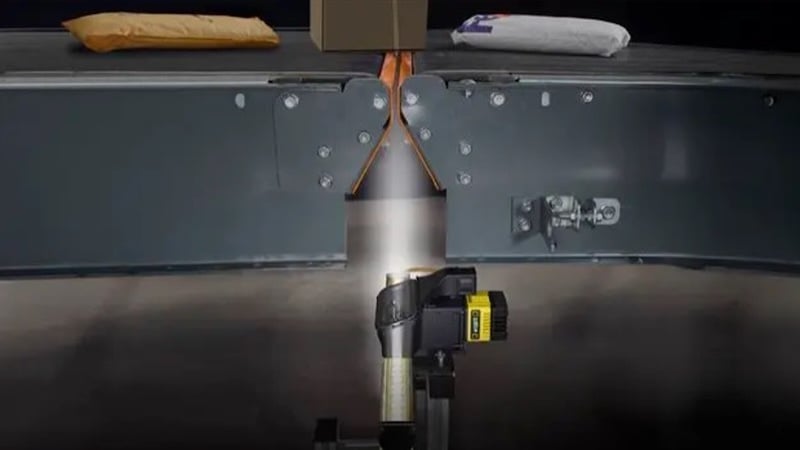
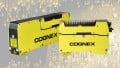
The new SLX-3804L provides bottom-side barcode reading for logistics applications. Image used courtesy of Cognex
SLX-3804L Targets Bottom-Side Barcode Reading
The new SLX-3804L is part of Cognex’s solution experience (SLX) portfolio. It is made for easy setup and use in logistics, especially where barcodes must be read from the bottom of packages on conveyor belts. Cognex says it can achieve read rates up to 99.9% in tough situations. It is meant for induction lines, automated sorting, outbound shipping, baggage handling, and six-sided tunnel scanning.
A key feature of the SLX-3804L is its slim design, which fits under existing conveyors without major changes. This lets operators add bottom-side scanning without big updates to their current setup. The system also includes a guided installation process and a web-based interface to make setup and maintenance easier for logistics teams. The SLX-3804L can read barcodes through conveyor gaps as small as 5 mm, making it useful in tight spaces where bottom-side scanning is difficult.
Retrofit Capability Supports Existing Logistics Systems
The SLX-3804L is also a good option for operators who want to upgrade their current systems instead of rebuilding their whole conveyor setup. Monty McVaugh, head of product at OPEX Corporation, said the company saw better read performance and easier deployment compared to older bottom-side scanners. He also pointed out that the system can be added to existing setups with little effort and no major changes. OPEX also noted that removing the need for a dedicated industrial PC made the system simpler and helped meet cybersecurity goals.
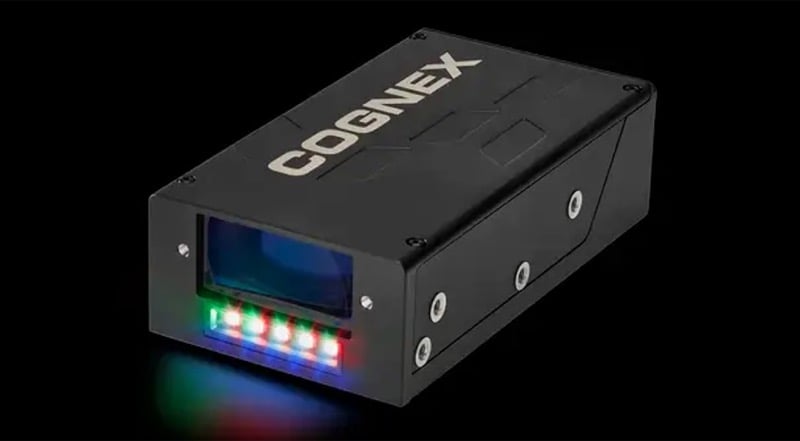
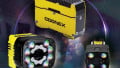
The new In-Sight 1750 series is designed for reliable wafer and panel identification. Image used courtesy of Cognex
In-Sight 1750 Addresses Semiconductor Traceability
Cognex’s second new product is the In-Sight 1750 series, a next-generation system for identifying wafers and panels. It helps manufacturers improve traceability and keep up production as semiconductor capacity grows. The system can read hard-to-see wafer and panel marks, even if they are faded or on tough surfaces. It uses Cognex’s AI, advanced imaging, and special lighting to boost identification in challenging manufacturing settings.
Focus on Fewer Production Interruptions
The main goal of the In-Sight 1750 is to improve wafer traceability and reduce issues caused by difficult identification tasks. It includes built-in read logging to support quality and process control. The web-based setup is meant to make configuration easier and speed up deployment. For those already using the In-Sight 1740, the new system allows easy job conversion and upgrades, so they can switch to the new platform without major changes to their production process.
Common Focus on Industrial Throughput
While the SLX-3804L and In-Sight 1750 serve different industries, both reflect a broader trend in industrial machine vision: using vision technology to solve specific challenges and simplify deployment. In logistics, the SLX-3804L improves barcode scanning from hard-to-reach spots and fits into current conveyor systems. In semiconductor manufacturing, the In-Sight 1750 ensures reliable wafer and panel identification, even with tough marks and surfaces.
Both solutions are potential options for companies that need vision systems to fit into their current industrial setups without major redesigns. Instead of requiring new system architectures, these products are built for specific uses, guided setup, and easy integration with existing workflows.