Facebook
 Google
 GitHub
 Linkedin
Rockwell Links AI Vision and QMS for Smarter Factory Quality
AI-powered machine vision now connects with Plex QMS to create a closed-loop quality workflow, helping teams detect defects, trace parts, and reduce response time.
Rockwell Automation announced the integration of two software platforms: an API-enabled integration between the Plex Quality Management System (QMS) and FactoryTalk Analytics VisionAI. The API-enabled bridge facilitates translation and crosstalk between these software platforms, providing customers with a real-time closed-loop detection-to-record quality assurance system, end-to-end traceability, and automated decision-making.
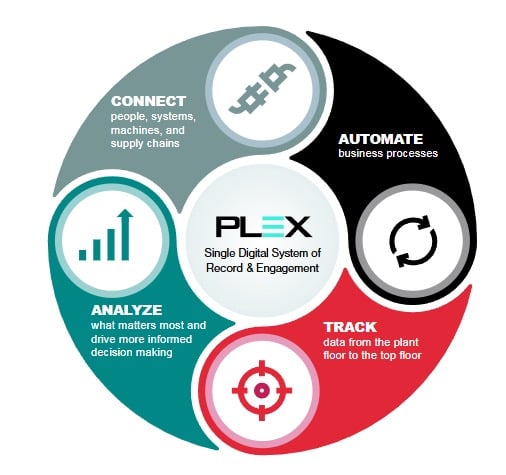
Through the Plex Smart Manufacturing platform, manufacturers can automate processes, track and analyze data, and connect with different teams and systems to communicate and adapt to changing operational demands. Image used courtesy of Rockwell Automation
What are the Benefits?
A real-time closed-loop system integrating Plex QMS and FactoryTalk Analytics VisionAI might provide real-time alerts about defects on a production line, without waiting for end-of-day reports. Quality managers and engineers can execute faster root cause analysis when a product defect or batch failure is caught through VisionAI and logged in Plex QMS, without wasting time sifting through paperwork or unlinked software systems, thereby saving valuable detection and remediation time that would otherwise detract from uptime.
By augmenting human work with AI-supported machine vision, humans can use the real-time capabilities to input and send data/product defect information straight to the QMS for recording, potentially minimizing errors in manual transcription and latency. Traceability is another key vantage point of the Plex-FactoryTalk integration. Should a customer report a specific defect in a particular part, manufacturing system operators can look up the machine vision inspection data through Plex QMS (where a consistent historical record is compiled) to identify the specific unit associated with the defect. The Plex QMS system might also facilitate quarantining a batch of parts based on data from Rockwell’s AI vision system if the failure rate exceeds a certain threshold.
Who does this Technology Serve?
In addition to quality managers and engineers, the Plex-FactoryTalk integration might help plant managers and operations leaders identify part defects through AI-supported inspection and QMS logging, and the associated machinery, halting batch creation/stopping a particular machine to carry out needed maintenance, thereby reducing material waste (along with associated costs).
Automating the inspection of manufacturing processes and workflows increases production speed compared with manual inspection. The API bridge between Plex QMS and FactoryTalk minimizes potential data bottlenecks by enabling fast data transmission, keeping production lines running while maximizing inspection coverage.
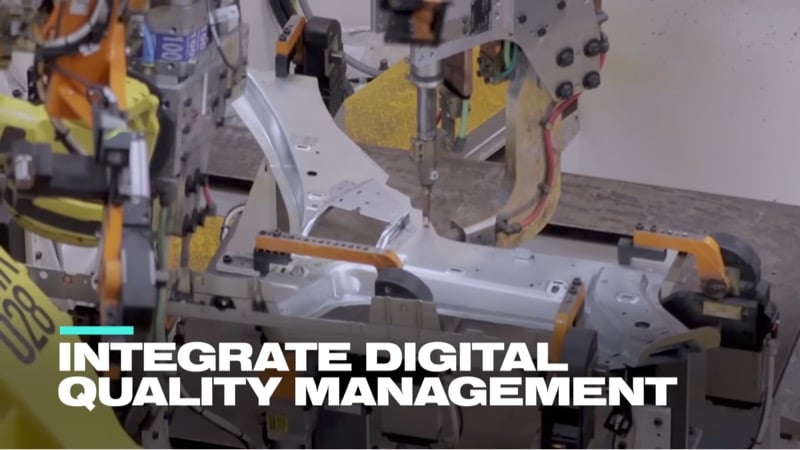
An overview of the Plex QMS platform. Video used courtesy of Plex
For operators and technicians, the Plex-FactoryTalk integration might mean helping to reduce the mental workload, providing a system that helps fill out forms concerning inoperable/inefficient machinery (for example) that would otherwise have taken more time to complete manually.
Human inspections of part quality can be quite time-consuming when making decisions (such as whether a scratch or abrasion is deep enough to be a cause for concern). Having AI-supported vision systems provide an objective standard based on thorough training and extensive data, coupled with API-enabled integration with Plex QMS for recording inspection details, helps reduce decision inertia on the shop floor.
By establishing a real-time, closed-loop "detection-to-log" workflow, this API-enabled Plex QMS-FactoryTalk integration synchronizes OT-level vision events with IT-level quality assurance records. The system can help manufacturers prevent the build-up of data silos and might also help mitigate recalls by offering contextualized data and consistent records. Additionally, ongoing upkeep is made easier for engineering and IT teams by using standardized APIs rather than custom middleware.