Facebook
 Google
 GitHub
 Linkedin
Leuze Adds Optical Character Verification to 1D/2D Code Readers
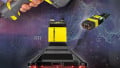
The new DCR 1048i sensor with optical character verification is capable of reading, locating, and validating not only barcodes but also human-readable text to verify print quality.
Founded in Southern Germany in 1963, Leuze is now a global supplier of sensors for the automation industry. The company’s product line ranges from switching sensors such as optical, inductive, and capacitive sensors for detecting objects to ultrasonic and fiber optic sensors. Leuze also has various measuring sensors that use ultrasonic and optical technologies. Recently, Leuze added a new sensor with optical character verification (OCV) to its Simple Vision portfolio, an existing line of 1D/2D code readers.
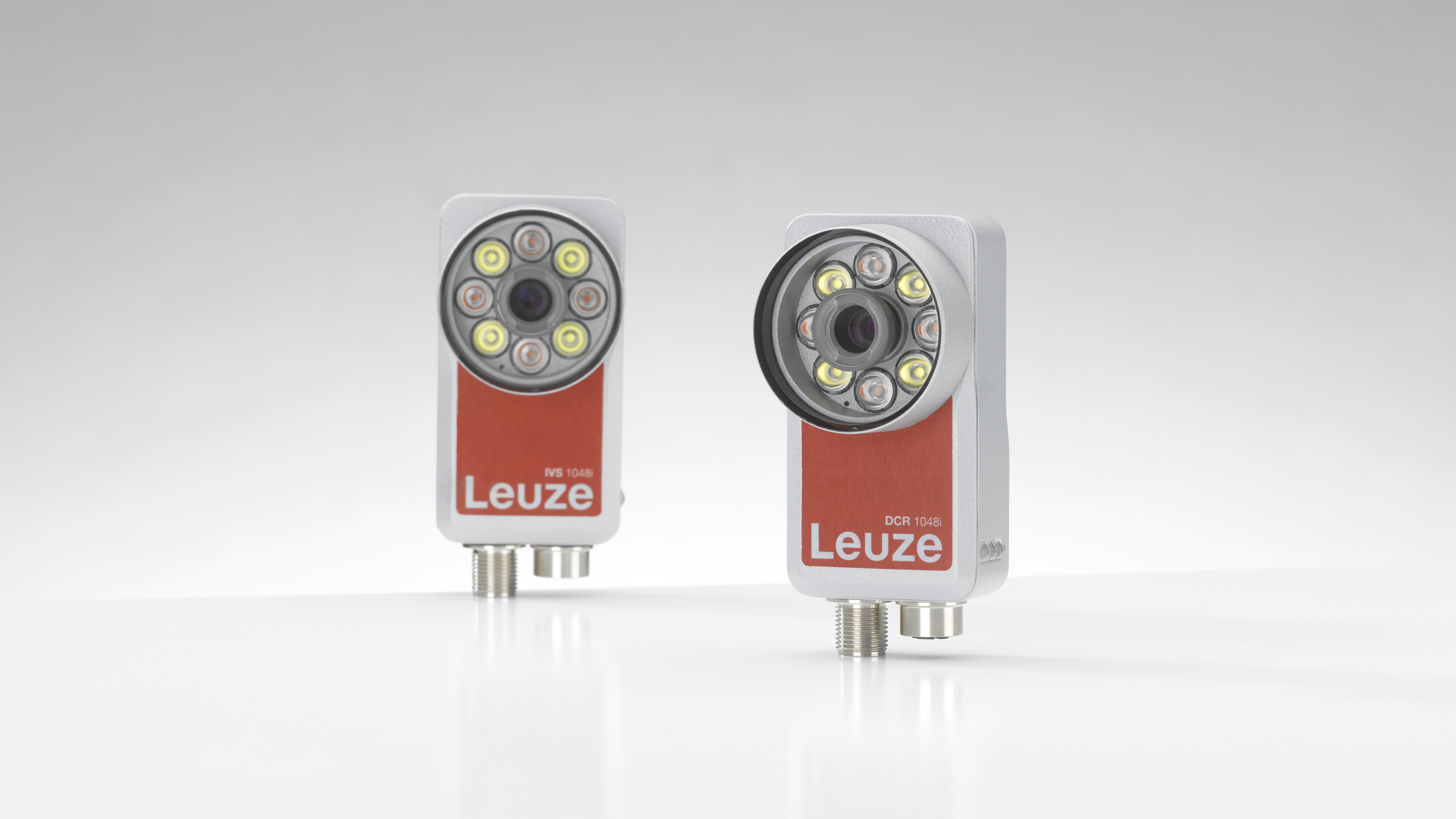
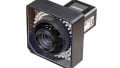
Leuze has added the DCR 1048i OCV to its Simple Vision portfolio of stationary 1D/2D code readers. Image used courtesy of Leuze
The DCR 1048i OCV
Most dedicated code readers on the market today will only read barcodes, not text. To read text, users will sometimes be required to upgrade to a camera system or vision sensor. The latest release from Leuze is the DCR 1048i OCV, which promises to be a simple-to-use barcode reader that can also read text and validate the quality of the print.
Barcode Verification
Barcodes are very common in automation as they allow for part tracking and archiving of part data. Some manufacturers will also print the data within the barcode in human-readable text alongside the barcode. This ensures the data can be retrieved in the event the barcode can't be scanned. The devices that print this data on parts will often print a mark that is not readable or scannable. This results in a scrap part, which could result in a loss of production. By using a barcode scanner such as Leuze's DCR 1048i OCV, bad marks can be detected right at the marking station and possibly send the part back to be marked again, or the marker can be investigated for low ink or possible damage.
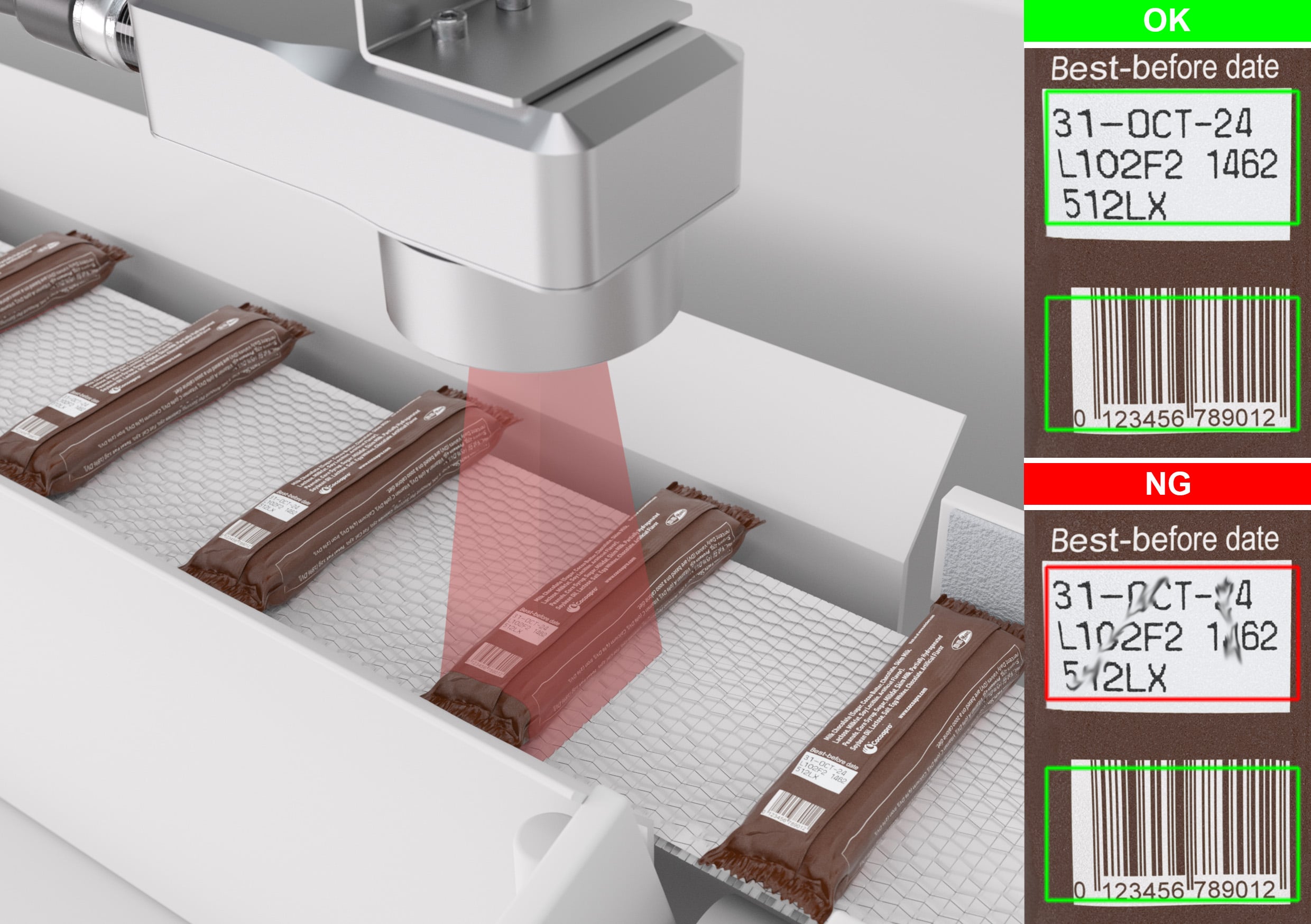
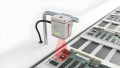
The DCR 1048i OCV not only scans barcodes but also inspects printed package information, such as best-before dates. Image used courtesy of Leuze
What Is Optical Character Verification (OCV)?
OCV involves teaching the reader a font. Reference images are taught and stored within the vision sensor. It is important to teach high-quality reference images to have accurate results. When the reader is triggered, the system will search the field of view to find letters that match the reference images. The DCR 1048i takes it one step further and will report the quality of the text it finds. This allows technicians to create faults or warnings that the mark is starting to degrade and maintenance is required.
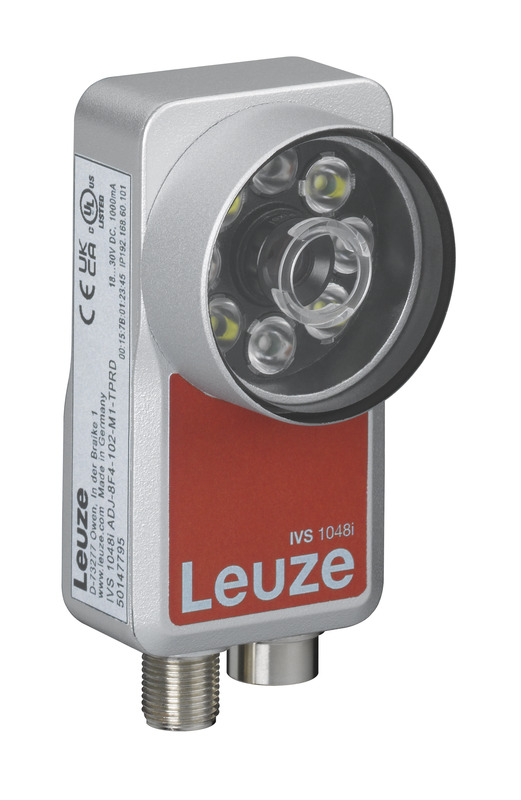
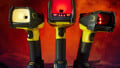
Leuze’s Simple Vision portfolio is made up of three models, including a base model, a reader for DPM codes, and the newest model with OCV. Image used courtesy of Leuze
Stationary Code Readers
In addition to the DCR 1048i OCV, there are two other models in Leuze's Simple Vision sensor portfolio of stationary 1D/2D code readers. All three sensors operate on 18-30 VDC and have a reading range of 50-2,000 mm. All three models include an LED red and white light that is switched through software. The focal length is 8 mm, and the shutter speed is 0.025-2 ms.
The models differ when it comes to function. While Leuze's newest model reports the printing quality of the barcode, there is a basic model that only counts, reads, detects, and locates barcodes. Another model will detect directly marked codes (DPM).
Each model has an M12 12-pin electrical connection and an M12 Ethernet connection. Within the electrical connection are four outputs and three inputs, all electrically isolated and capable of handling 100 mA. Communicating with the DCR 1048i models can be done over the Ethernet connection via Ethernet/IP, ProfiNet UDP, Telnet, or FTP.