Facebook
 Google
 GitHub
 Linkedin
Remote Industrial Equipment Connections: Benefits and Risks
Connecting to equipment remotely can save time and travel expenses. It is a powerful tool, but with great power comes great responsibility.
A controls engineer sits alone in an airport terminal waiting for his plane to start boarding when he receives a phone call from the customer after recently completing a successful machine installation. But suddenly, the machine is down, and he needs to connect to the PLC to troubleshoot the problem.
This scene is all too familiar to integrators of industrial equipment. Thankfully, there are plenty of tools that allow us to remotely connect to equipment and diagnose problems from virtually anywhere in the world. Unfortunately, these tools carry risks, and if they are not used correctly or fall into the wrong hands, they could result in damage to equipment or personal injury.
Follow along as we discuss the benefits and pitfalls of remote connections to industrial equipment.
The Industrial Network
Virtually all control system equipment produced in the last few decades includes some type of industrial network protocol. This network allows communication between servo drives or VFDs, I/O, HMIs, and PLCs. Once an integrator or controls engineer gains access to this network, it’s much easier to modify PLC code, change HMI applications, and configure device parameters. It is this industrial network that will be exposed to the internet for remote connection.
Supporting Customers Remotely
A remote connection to industrial equipment has many benefits, such as being able to support your customers remotely. Not all issues with automated equipment are PLC code bugs; some scenarios are just not recoverable from the HMI and require intervention through the logic controller. Some customers request features or selectable modes after they have operated the equipment for a few weeks or months. Then there are cases where mistakes were left in the code; after all, we are all human.
Most of the time, these situations can be resolved over a remote connection to the industrial network. Opening this network does present some issues, which is why manufacturers and OEMs need to exercise caution before exposing networks to the internet.

Figure 1. “Hacking” is the popularized word, but there are many ways to gain unauthorized access to a system. Image used courtesy of Unsplash
Cybersecurity
The obvious risk is cybersecurity. Opening any network to the internet exposes the devices that exist on that network to hackers. Once someone has access to physical devices, they can control them and cause damage to equipment or even cause injury.
Access to data can be just as damaging. Many manufacturers, including medical device manufacturers, maintain databases of device data, including serial numbers, parameters, and location data. Some medical devices even maintain patient data. This data is personal and needs to be protected from outside access.
Recently (mid-2026), there has been a string of wastewater treatment plant attacks, where PLCs connected to the internet have been maliciously hacked. Attackers are using the access to change IP addresses, passwords, and even make code changes. This access can interrupt water supply or even cause flooding, according to the FBI National Press Office (Malicious Cyber Actors).
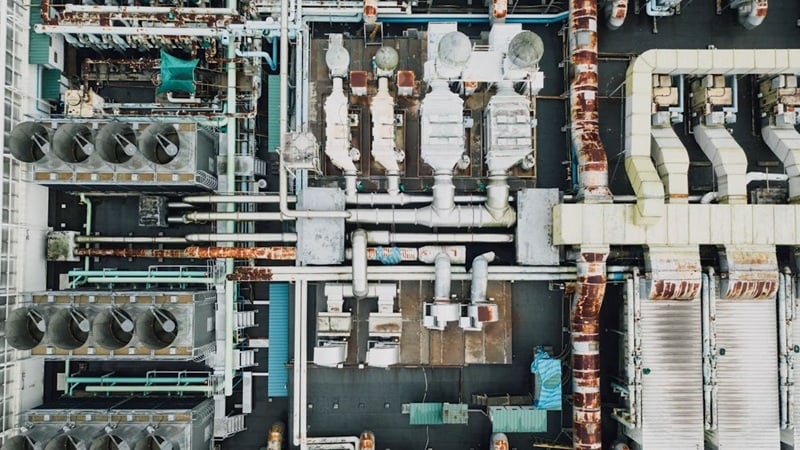
Figure 2. An overhead view of an industrial factory that likely has remote connectivity to equipment. Image used courtesy of Unsplash
Remote Control
Having a remote connection to equipment is a very big responsibility; not only do you possess the power to shut down an entire production line, but you could also remotely start the equipment. Machine control is buried in the logic within the PLC, usually triggered by an HMI or a physical button. In either case, the logic can be overwritten from within the PLC, causing the machine to start independently. This unexpected motion may cause damage to the equipment or injury to personnel working in the vicinity of the equipment.
Remote Connection to Safety Systems
Some PLCs, like the GuardLogix processors from Allen-Bradley, have the safety logic embedded with the non-safe logic; this allows the safety code to be manipulated remotely when connected. While there are safeguards in place to prevent this, such as lockable code and safety signatures. If these safeguards are not configured or they are overlooked, there is a possibility of altering the safety logic remotely. Modifying this code can easily result in injury or even death.
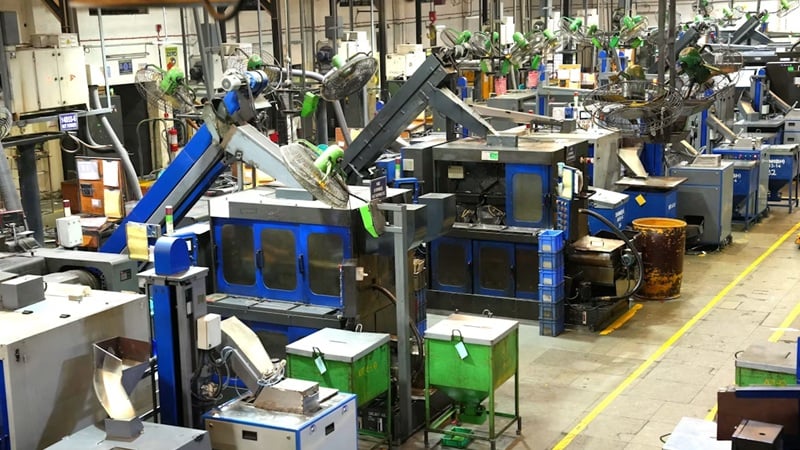
Figure 3. An industrial automotive factory with automated equipment. Image used courtesy of Unsplash
Policies And Safeguards
A policy is a written instruction on how to use a specific technology. The OEM employee follows the policy to ensure they are operating within the agreement between the OEM and their customer. The OEM writes the policy so that their customers are comfortable with people remotely connecting to their equipment.
Safeguards are actual barriers to prevent remote connection; the customer is in charge of these barriers, and without approval, the OEM company will not be able to connect. These safeguards can be as simple as unplugging a network cable or as complex as a VPN connection box with a key switch. Both policies and safeguards should be in place before a remote connection is established.
Supporting Your Customer
Boots on the ground is not always possible, and sometimes isn’t beneficial. Being able to remotely connect to equipment saves time and travel expenses but does come with a level of risk. At the end of the day, our world is getting smaller, and being able to support your customer from around the world builds confidence and peace of mind.
Next, we’ll have a look at a few of the devices that are used to establish these remote connections and provide some technical guidance on the nature of securing and safeguarding a network.
Related Content