Seismic probes measure velocity. They are typically mounted on a bearing cap, and measure the rate (velocity) the machine is moving. Units are inches (or cm) per second.
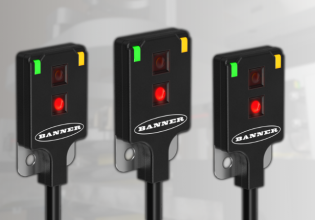
Proximity probes measure displacement. While they also are mounted on the bearing cap, they are measuring the size of the gap between the probe tip and the rotating shaft. Units of measurement are mils (thousandths of an inch). There are generally 2 probes on each bearing, mounted 90 degrees apart. There also may be probes on the thrust bearing measuring longitudinal displacement of the shaft.
GE's practice on heavy duty gas turbines is to use the seismic probes for protection. Proximity probes are optional (extra cost) and used for monitoring and analysis. The reasoning is that on a gas turbine, the mass of the rotor is nearly the mass of the stator, and any rotor vibration is also seen as stator vibration. The seismic probes are more rugged and reliable for protection and less likely to result in false trips. Note: I am a controls engineer, not an expert in machine dynamics, so don't ask me to elaborate on the relative benefits of the 2 types of measurement. Also note, the aero derivative gas turbines may use accelerometers for vibration protection.
seismic type probes are contact type & installed on bearing cap or casing of machine,measures velocity/acceleration. proximity probes are non contacting type and installed for measurement of relative displacement measurement (mm, mils etc) like amplitude, axial displacement of turbine during running

 Facebook
 Google
 GitHub
 Linkedin