Facebook
 Google
 GitHub
 Linkedin
How Combustible Dust Hazards Affect Automated Process Control
Learn how to integrate fail-safe logic and explosion-proof design to keep your processes running safely and smoothly.
In industrial settings, automation is taking over as a way to improve efficiency and increase output. Automated systems can decrease risk of injury or explosion, but only with the right design. Many industrial systems involve the production or use of various types of dust, many of which are combustible. Combustible dust creates hazards for the equipment and the people working in the area, particularly without robust controls to manage it.
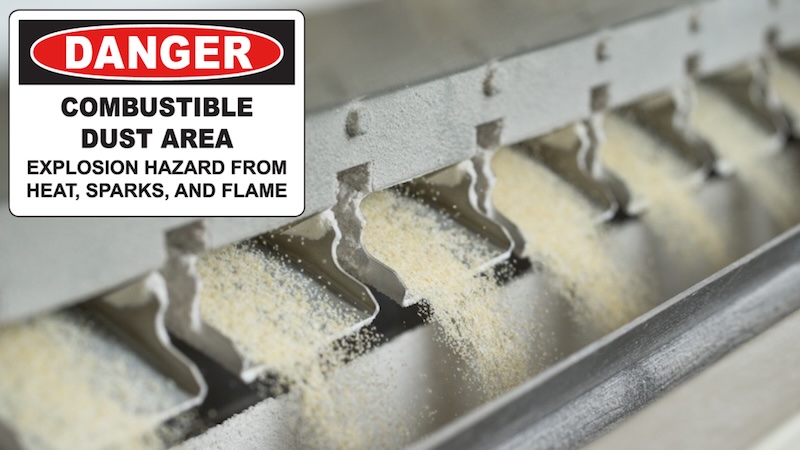
Combustible dust is a hazard in many industrial settings. Image used courtesy of Adobe Stock and DuraLabel
With this guide, engineers will understand the dangers inherent in combustible dust, the risks related to overreliance on industrial dust collectors, and a few best practices to reduce the likelihood that combustible dust could cause an explosion.
Dangers Inherent in Combustible Dust
The inherent danger in combustible dust is not just the risk of an explosion under a specific set of circumstances. It’s that the circumstances are too easy to achieve. Combustible dust can be any particle that could catch fire given exposure to oxygen and an ignition source, including:
- Agricultural products like milk powder or flour
- Powdered metals, such as aluminum or zinc
- Chemical dusts like coal or sulfur
- Pharmaceutical medications
- Pesticides
- Wood
- Textile fibers
- Plastics
With a specific combination of events, any of these particles could trigger multiple explosions. The primary explosion happens when the first dust encounters a spark in an oxygen-rich area. The second explosion occurs after the first explosion shakes loose more dust that then combusts. These explosions can be damaging and put industrial workers in the area at risk of injury.
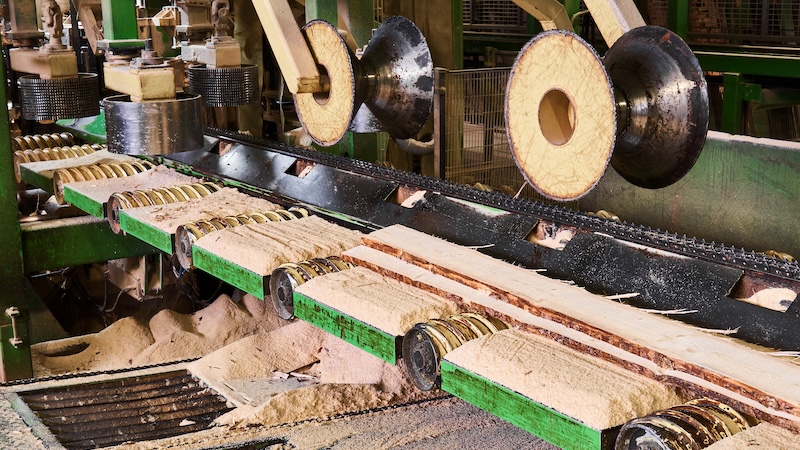
Wood processing is one example of an industrial setting with combustible dust. Image used courtesy of Adobe Stock
Risks With Industrial Dust Collectors
Compliance with OSHA or other regulators often requires the use of an industrial dust collector, but this equipment can fail without proper installation, upkeep, and repair. Dust accumulation can interfere with the operation of equipment and the accuracy of sensors, requiring an automated dust collection system. Industrial dust collectors work much like any other ventilation system designed to remove contaminants from an indoor space. They draw the dust through ductwork, a hood, or other enclosure, and capture the dust in filters or bags that can be changed.
Unfortunately, if the dust collector does not maintain the proper pressure, the dust collection itself can be an instigator for an explosion. Organizations must install dust collectors that can handle the pressure of the dust accumulating inside, with flameless vents or outdoor venting to prevent a deflagration from spreading to the rest of the building.
Factors to Consider When Designing Automated Process Controls
Industrial organizations should not solely rely on a person or even a team of people to handle the risks inherent in combustible dust accumulation. Automated systems, including AI, industrial dust collectors, and other equipment, is key. Automation allows for continuous monitoring and collection of data to identify worsening conditions and trigger immediate action to contain them. These best practices can minimize the risk of explosion due to combustible dust.
Use Explosion-Proof Electrical Components
Explosion-proof (XP) classifications refer to design approaches intended to reduce the likelihood of ignition in hazardous environments. Making XP equipment requires a number of approaches, including:
- Creating enclosures to contain flames to a limited area in the event of an explosion
- Increasing the safety of the design by minimizing heat or electrical venting
- Maintaining a positive internal pressure to reduce the likelihood of an explosive atmosphere
- Using materials like stainless steel or aluminum alloys, known for their corrosion-resistance and ability to handle harsh conditions
As with most other classifications, XP equipment must meet international standards for design and manufacture to ensure that these safety conditions are met.
Implement Intrinsically Safe Interfaces and Equipment
Keeping electronic equipment from sparking in certain environments often calls for an intrinsically safe (IS) approach. This technique involves a design that virtually eliminates the risk of the equipment causing a spark or increase in heat. This system works for equipment that can function on very low levels of power, as that is how the design reduces overall risk.
While intrinsically safe equipment is designed to prevent a spark from creating ignition around combustible dust, it is not fail-safe. Engineers must design the entire circuit to be IS, as any vulnerability in the chain could inadvertently trigger an explosion.
Integrate a Safety-Instrumented System
In a scenario in which dust is combusting or could easily get to that state, integration of a safety-instrumented system is vital. When something goes wrong in an industrial arrangement, being able to shut down the system can mean the difference between minimal damage and catastrophe. The problem is that an automatic shutdown may make the situation worse.
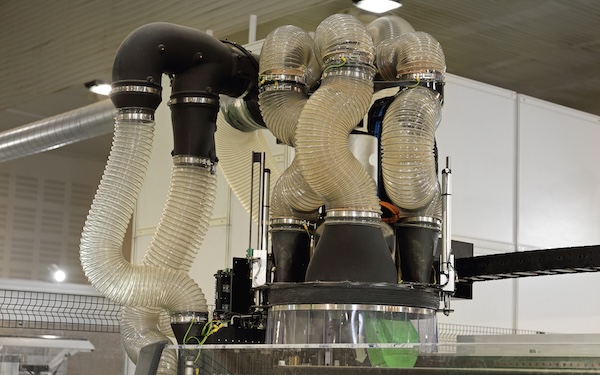
Dust collection alone is often not sufficient for risk reduction. Image used courtesy of Adobe Stock
For example, a system that shuts down and leaves an industrial dust collector open could increase the likelihood of a spark triggering an explosion. A safety-instrumented system uses sensors, logic, and other controls to determine the safest shutdown position for the equipment, then executes that plan.
Execute Fail-Safe Logic
Fail-safe logic helps to keep a bad situation from getting worse. In the case of a combustible dust explosion, fail-safe logic implements a series of actions designed to reduce risk. For example, a safety-instrumented system might require that all equipment halts in the event of an explosion. Shutting down electronic egress doors or alert systems would increase danger, however.
Instead, the use of fail-safe logic identifies the systems that can be shut down without putting workers at risk, while leaving others functional until a process safety expert can attend to the issue. This approach minimizes damage while ensuring that operations critical for safety can remain operational.
Safety First
Designing automated processes for industrial applications often requires a discussion of combustible dust management. Combustible dust requires very little to cause an explosion, especially without proper mitigation. Existing systems help, but relying too much on industrial dust collectors can increase overall risk. By implementing an automated process with safety-instrumented systems and fail-safe logic, engineers can reduce the risk of injury or damage from a combustible dust deflagration.
Related Content