Facebook
 Google
 GitHub
 Linkedin
Belden’s New LioN-Safety I/O Modules Link Hardware for Quick Response
The new LioN-Safety I/O modules integrate with safety and non-safety I/O hardware to simplify and enhance process control.
According to Jeremy Friedmar, Belden’s Director of Product Management, Data Ingestion, and Firewalls, "As industrial automation increases, the challenge — and urgency — to ensure the safety of plant workers becomes more critical.” This is the core reason behind Belden's latest product, the LioN-Safety I/O modules. Available by late Q4 in 2024, these safety modules will streamline and simplify automating process safety in automation spaces.
Designed to be integrated with PLCs yet remain a separate safety system, the LioN safety modules offer a method of managing signals from safety-related actuators and sensors. These signals are processed in real-time and can drastically improve the speed and reliability of safety systems over processing the data through standard, non-safety I/O channels.

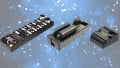
Belden’s new LioN-Safety I/O modules link safety and non-safety data over a network. Image used courtesy of Belden
Safety Modules as a Separate but Integrated System
Incorporating safety modules into an automation system is necessary to protect the health and safety of workers in the facility. In doing so, it is easy to overcomplicate the system, purchase and wire hardware, and later find out that the system is not actually protecting anyone. This can happen when modules are repurposed for "safety" and then haphazardly installed and daisy-chained onto existing hardware without a coherent plan.
Using specialized safety modules on a dedicated yet integrated system allows for quick, reliable communication to control modules. From there, the appropriate control and equipment decisions can be implemented. These modules are electrically tied to the regular control system but act as their own network to avoid complicating the existing control system and ensure system reliability.
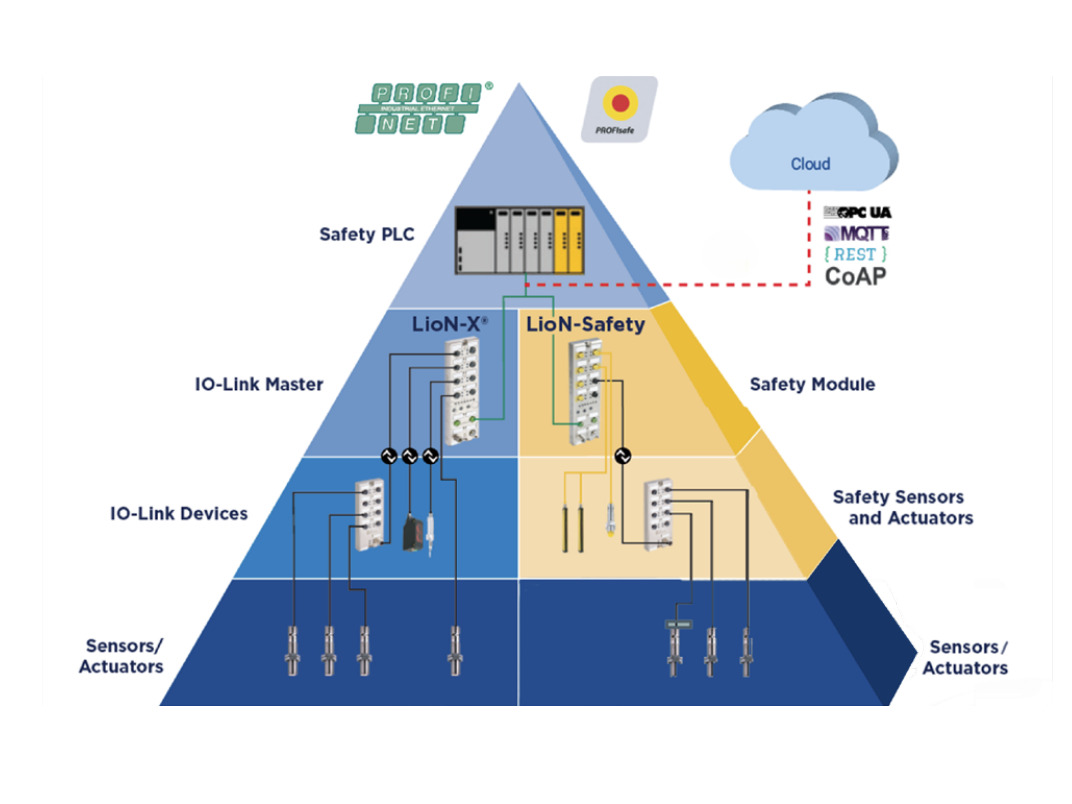
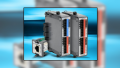
LioN-Safety I/O modules communicate with PLCs and the cloud. Image used courtesy of Belden
LioN-Safety I/O Modules
Belden's new LioN-Safety I/O series features modules that act in this capacity. They can communicate using PROFIsafe and CIP Safety protocols, both of which are industry standards for safety data communication. They also transmit device diagnostic data to verify functionality during normal operation so they are ready for any real safety event. In terms of safety standards, the LioN meets conformance class C, Netload class III, and TÜV Rheinland SIL 3, Cat 4 classifications.
The modules are flexible, allowing for communication with existing non-safety hardware. In this way, unsafe conditions can spur automated actions on other hardware and prevent injuries. The LioN-Safety I/O modules can also communicate with the cloud, making documenting safety data available to operators, engineers, and EHS personnel. Numerous Industrial Internet of Things (IIoT) protocols, such as OPC UA, MQTT, REST API, and CoAP make cloud communication possible.
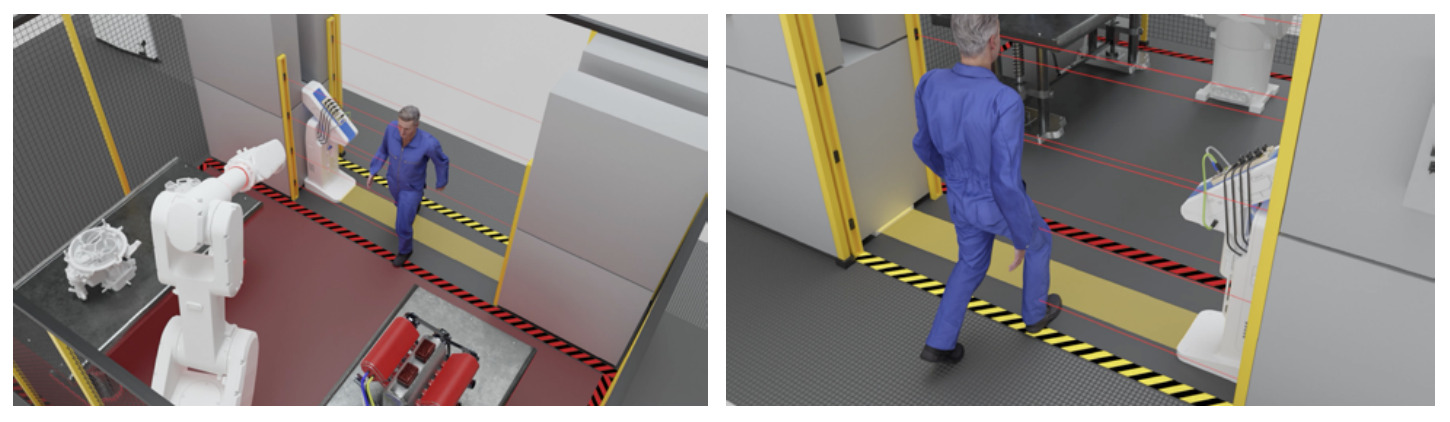
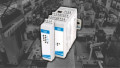
The new I/O modules are well suited for highly automated environments across industries. Image used courtesy of Belden
Enhancing Functional Safety
Ruggedized for industry and geared towards the latest in IIoT integration, Belden’s new modules are suitable for virtually any manufacturing or industrial environment. To speed up deployment, they can be configured using the PROFIsafe or CIP Safety Configurator software.
Like many industrial processes, safety can also be automated to some degree. Belden has developed a suite of hardware solutions that can help improve safety simply without overcomplicating existing automation systems. The LioN-Safety I/O modules represent the latest technology built to communicate and handle safety excursions quickly.