Facebook
 Google
 GitHub
 Linkedin
Yokogawa Updates DCS, Invests In Robotic Plant Monitoring
Yokogawa doubles down on AI and autonomous operations with the latest release of its Centum DCS. The company has also partnered with Shell to develop a robotic and AI plant monitoring and maintenance solution.
Automated process control is a special type of automation that requires rock-solid control systems to drive mission-critical processes safely and efficiently. Yokogawa has released the next generation of its Centum DCS platform that offers controls and maintenance engineers an all-in-one package for reliable control, automated commissioning, HMI runtime and development, and scalable architecture offering a complete distributed control system (DCS).
The company has also teamed up with Shell Global Solutions to develop a robotics and AI solution for plant maintenance and monitoring.
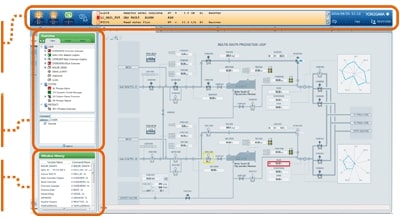
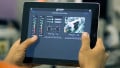
The Centum HMI dashboard provides operators insight into plant conditions. Image used courtesy of Yokogawa
What Is a Distributed Control System (DCS)?
A DCS system is a process automation integrated software package that includes HMI, data collection, PLC, and alarm management software that is connected to an entire processing plant. The DCS system handles all the automation and displays all of the sensor data from within the processing plant, along with offering predictive maintenance and cloud data management options.
Centum VP Release 7
The recent launch of Centum VP Release 7, Yokogawa’s next generation DCS, has been developed with the industry's request for autonomous monitoring, with a focus on expanded control capacity, predictive monitoring, and a reduction of operator workload. This release includes key features to help achieve autonomous operations, including enhanced security, OPC UA integration, and multiple database integration.
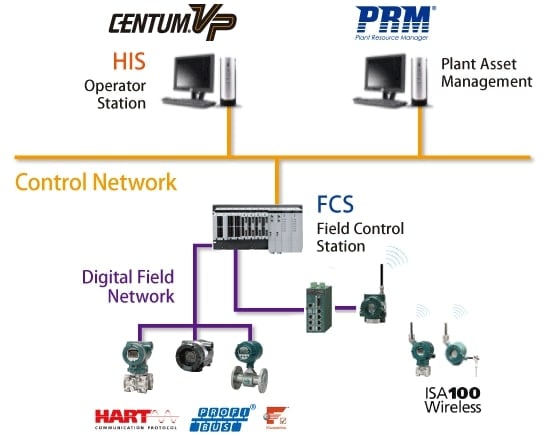
The Centrum VP DCS process automation network topology. Image used courtesy of Yokogawa
Robotic Plant Maintenance
Additionally, Yokogawa and Shell have joined forces to develop a vision-guided robotic system that will monitor operations around a production plant. The joint venture will consist of Yokogawa providing machine vision to its OpreX robot management tool. Shell is providing the machine vision tool, operator round by exception (ORE), and Yokogawa is adding the tool to its OpreX Robot Management Core platform.
The digital solution will then be used in robots and drones to perform basic plant monitoring tasks such as checking gauges, inspecting for leaks, and reporting machinery issues. The solution’s testing will take place at the Energy Transition Campus in Amsterdam, a facility that was developed by Shell in 2022 and was designed to provide a collaboration between companies, organizations, governments, and universities.
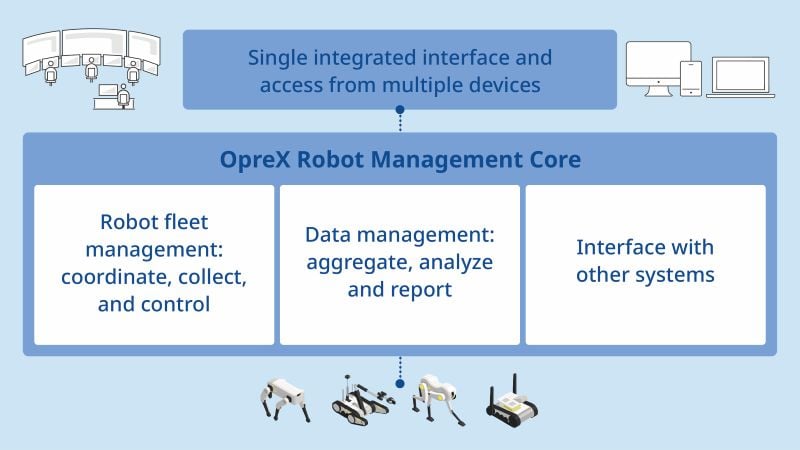
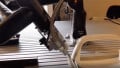
Yokogawa and Shell’s collaboration focuses on developing robot and drone machine vision solutions for plant monitoring and maintenance. Image used courtesy of Yokogawa
Autonomous Operations
Robots have been taking the place of human workers for many years now, but the jobs they are taking are not necessarily great. The jobs are often dangerous, involve heavy lifting, or require extensive concentration, such as process monitoring. By using robotics to perform simple, mundane tasks, we open doors for humans to perform more interesting tasks requiring logical thought and dexterity. The new release of the Centum VP and Yokogawa and Shell's robotic solution provides plant operators with the power to automate their process and monitor them safely and securely.