Facebook
 Google
 GitHub
 Linkedin
Ignition: An Example of OPC UA Data-Driven Manufacturing
Truly understanding how to implement IIoT technology requires tangible examples of machines, platforms, and data insights that give relevance to high-level concepts.
In previous articles, we discussed machine-to-machine communication made possible by OPC UA and highlighted KEPServerEX as a standout OPC UA-enabled platform.
In this article, we will continue to explore this universal communication protocol through the lens of Ignition, one of the leading industrial application platforms that is especially well-suited for SCADA and IIoT solutions.
Overview of Ignition
Ignition was launched by Inductive Automation in 2010. It quickly grew in popularity thanks to a Java-based open environment that promoted compatibility across multiple platforms. Its web-based architecture and unlimited licensing model were also appealing to customers looking for accessibility. Ignition removed some common growth limitations for many projects.
Figure 1. Ignition by Inductive Automation is a leading SCADA and IIoT platform. Image used courtesy of Inductive Automation
Ignition combines three main strengths: scalability via modular design, cross-platform interoperability, and strong OPC UA support. Ignition also runs on multiple operating systems and is flexible enough to fit both small pilot projects and large industrial systems. The platform lets users add or remove capabilities as needed thanks to its modular design.
Another important feature of ignition is its capability to streamline data collection, reporting, and visualization. It does this by means of its Reporting module, SQL Bridge, and Perspective and Vision modules.
OPC UA-Enabled Modules of Ignition
The OPC UA modules of Ignition offer an essential link between hardware and software. They allow seamless communication between many devices and platforms inside the industrial network of a manufacturing facility.
Ignition’s fundamental OPC UA module lets it serve both as a server and a client. The platform also offers drivers for most well-known PLC brands, such as Rockwell, Siemens, and Beckhoff. Popular communication protocols, such as Modbus, are also supported. The tunneling function helps interconnect old and new installations thanks to its support of OPC DA (data access) systems, also known as traditional OPC.
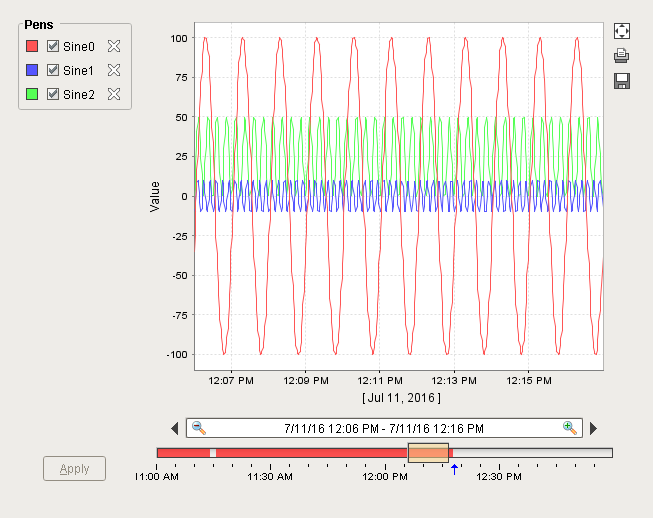
Figure 2. A chart created with the OPC UA-enabled Ignition Historian. Image used courtesy of ourscada by Inductive Automation
The Historian module leverages OPC UA to log and access real-time data from devices. It can also guarantee long-term data storage when deployed in combination with the SQL Bridge module. This module ensures that relevant historical data remains easily available for analytics and reporting.
Client and Server Configurations
As we mentioned before, Ignition can operate as both an OPC UA server and a client. When acting as a client, Ignition gathers data from many sources inside the industrial network. When configured as a server, the platform can also disclose data to other systems and also forward it to outside clients. Notably, Ignition includes tag and security settings that allow administrators to regulate access and stop unauthorized users from making changes to the server.
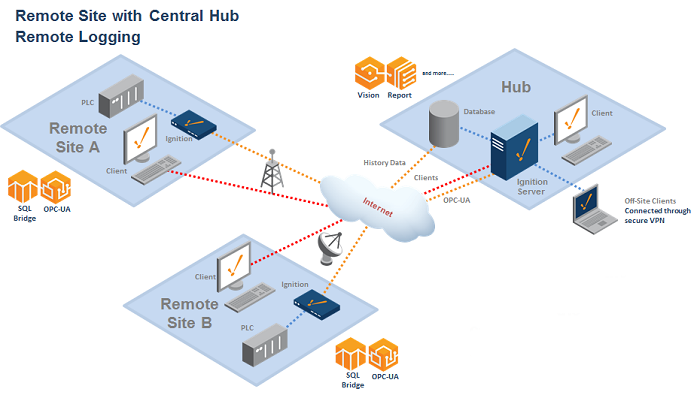
Figure 3. Centralized Data Collection is a key function of Ignition. Image used courtesy of ourscada by Inductive Automation
Ignition makes it relatively simple to access and handle data by letting users browse tags from the linked server and add them to the tag database for the client. Trustworthy connections are established with appropriate security certificates, providing another layer of cyber security protection. Once this is achieved, data can potentially flow freely between devices and systems, allowing client and server roles.
The functions described in the last two paragraphs might sound abstract, but in practice, they have become fundamental in modern and highly automated facilities. An OPC UA device acting as a client and a server in this environment is sometimes called a PLC Data Concentrator, or simply a Concentrator. A PLC Concentrator works behind the scenes sending and receiving blocks of data from and to multiple machines. This is enabled by OPC UA.
Ignition offers several data aggregation techniques that leverage OPC UA. The OPC UA Historian module enables real-time update of data, reaction, and decision-making. Furthermore, the Edge modules allow data collecting and backup employing edge computing technologies.
Another possibility is through Tag History and Transaction Groups. Tag History is a function that provides on-demand and periodic data logging, assuring that valuable data is retained for long-term analysis of key performance metrics. Transaction Groups help compile data about particular events or conditions.
Visualization and Reporting
The Reporting module of Ignition offers customers a toolkit for creating and designing reports. It provides custom templates with embedded tables, charts, and images. Automated scheduling tools make it simple to send monthly reports, while customized triggers guarantee alarms, and important thresholds are achieved in a timely manner.
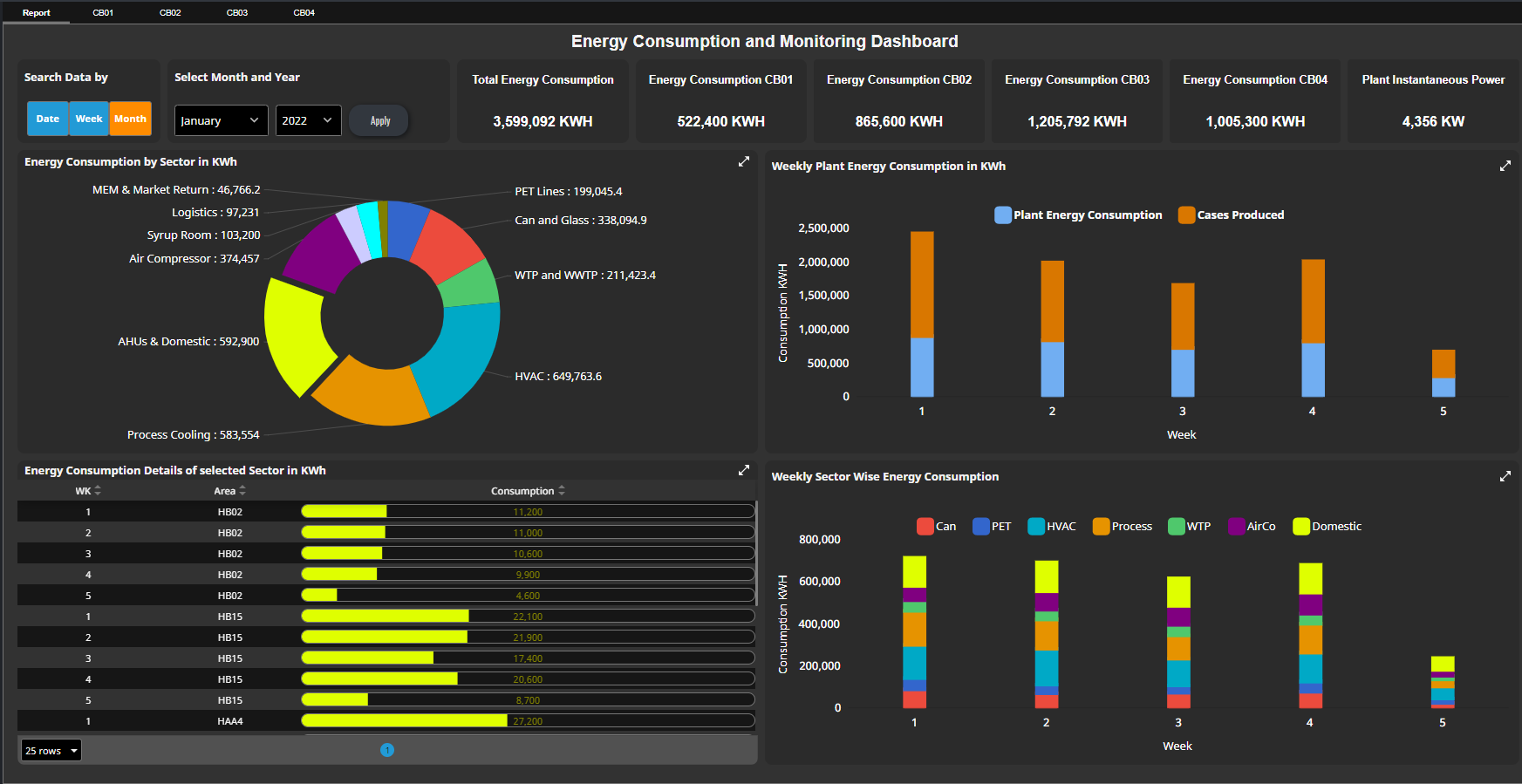
Figure 4. A dashboard created by an actual user via Ignition’s Perspective and Vision modules. Image used courtesy of Inductive Automation
The Perspective and Vision modules allow customers to create web-based applications for dashboards. These instruments, taken together, enable users to instantly monitor and control processes, increasing situational awareness and lowering downtime. Concurrently, these visualization and reporting functions are made possible by the underlying data flowing through the OPC UA layer.
In conclusion, Ignition’s comprehensive OPC UA-powered capabilities in real-time monitoring, data concentration, and reporting allow facilities to achieve higher productivity and better decision-making. As industrial systems become more connected and complex, Ignition remains an essential tool that delivers intelligence across SCADA and IIoT applications.