Facebook
 Google
 GitHub
 Linkedin
Turbines Inc. Releases its ITM Flow Meter with Digital Display
Turbines Inc. introduced its high-pressure resilient, robust ITM Series flow meter for liquid applications. The new meter features a digital display and stainless steel components.
Turbines Incorporated (Turbines, Inc.) recently released its latest turbine flow meter for liquid applications. The ITM meter is designed to withstand high pressure and features a digital display. The device features durable materials, including 416 Stainless steel or CD4MCu rotor and a Tungsten Carbide shaft for resiliency against corrosive substances.
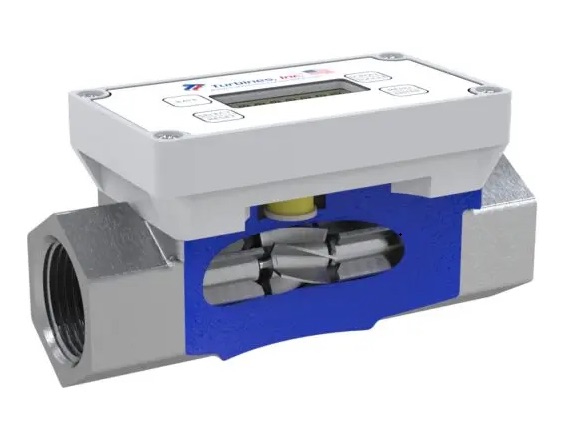
The ITM integrated turbine flow meter is made of stainless steel and Tungsten Carbide, which are durable materials against corrosive substances and high pressure. Image used courtesy of Turbines, Inc.
Chemical Processing
Turbine flow meters are used across various industries, including chemical processing, oil and gas, pharmaceutical, and food and beverage. To provide a specific example, turbine flow meters are used in the chemical processing industry for batch control, modulating the right level of chemical reactants in a mixture, ensuring batch size is commensurate with the required output, and maintaining product quality as a result.
Turbine flow meters are crucial for dosing systems in chemical processing, where accurate calculation of trace amounts of catalysts or additives is necessary to guarantee the right ratios are supplied and avoid chemical excess or inadequate utilization. Additionally, when dealing with corrosive fluids like acids, solvents, or caustics, where precision and substance compatibility are essential for effective and secure operations, advanced turbine flow meters constructed of corrosion-resistant materials are employed.
The rotor shaft of the ITM turbine flow meter is comprised of Tungsten Carbide, a durable material resistant to alkalis and products containing petroleum. Tungsten Carbide can also withstand a range of acids (such as sulfuric, hydrochloric, hydrofluoric, and nitric acids) in addition to other corrosives. The body of the ITM is made of 316 stainless steel, while the meter rotor can be made of 416 stainless steel or CD4MCu, depending on the meter size. The duplex stainless steel, CD4MCu, is known for its greater resilience against corrosives than stainless steel.
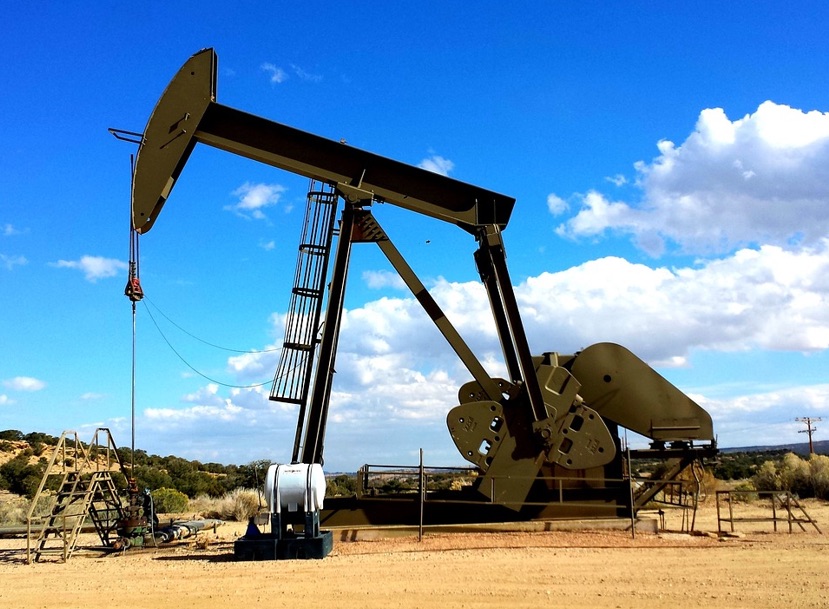
With Tungsten Carbide comprising the rotor shaft of the ITM flow meter, it is well-equipped when faced with corrosive materials and substances containing petroleum. Image used courtesy of Pixabay
Oil and Gas
The oil and gas sector makes widespread use of turbine flow meters because of their capacity to withstand conditions of both high flow and high pressure. These meters are extremely useful for the custody transfer of substances such as natural gas and/or crude oil. This process might involve two parties relinquishing and taking ownership of one of these commodities at a specified quality and quantity.
They also monitor pipeline flows, which helps maintain safety and aids leak detection. Refineries and other processing facilities utilize turbine flow meters to monitor wellheads to boost production rates, control fuel flow in injection systems for greater efficiency, and quantify natural gas and liquefied natural gas.
For use in the oil and gas industry, turbine flow meters can handle pressures of between 1500 and 10,000 psi depending on the requirements of a specific application. The ITM turbine flow meter sits roughly in the middle of this pressure range, withstanding 5000 psi. The device’s operating temperature range is -22 to 150°F and has a flow rate of 3 to 30 or 5 to 50 gallons per minute.