 Facebook
 Google
 GitHub
 Linkedin
DCS Modernization | Replacing Less Can Deliver More
Upgrading is a delicate balance between replacing major system segments and examining each critical component and prioritizing those that must be upgraded before others.
Even very short interruptions in production can lead to serious consequences for power stations, water treatment facilities, and other critical industrial plants. Upgrading the legacy control systems that keep these facilities running presents a difficult challenge: how can you replace aging technology, knowing that taking the plant offline may be neither practical nor commercially viable?
Changing DCS Requirements
Many distributed control systems (DCS) have been reliably operating for decades, but demands have changed considerably during that time. Cybersecurity requirements have intensified, replacement components have become harder to source, and operators increasingly need access to operational data to improve performance. Yet the fundamental requirement remains unchanged: processes must continue to operate safely, reliably, and efficiently.
Major automation upgrades have traditionally involved replacing substantial parts of the existing system, including hardware and supporting infrastructure. For facilities designed to operate continuously, this can introduce considerable engineering complexity, extended shutdown requirements, and significant capital expenditure.
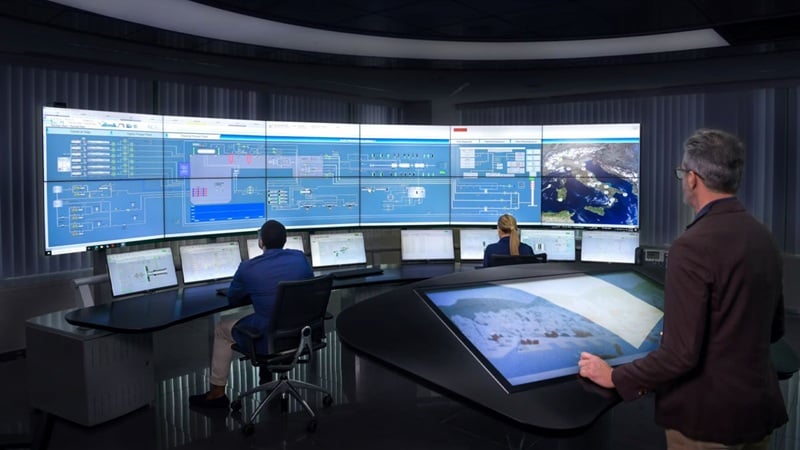
Figure 1. DCS requirements have changed dramatically over the past decades of tech evolution. Image used courtesy of ABB
The real modernization challenge isn’t a matter of simply choosing between keeping an aging system and replacing it wholesale. Rather, it involves separating the parts of the system that must change from those that can continue to support safe, reliable operations. The modernization strategy then shifts from a disruptive downtime replacement event to a controlled lifecycle migration.
The Value of Existing Infrastructure
Perhaps the most important consideration when modernizing an established control system is understanding what should remain in place.
Industrial facilities contain substantial investments beyond their controllers and software. Cabinets, field wiring, termination units, and established control applications represent years of engineering effort, installation, and commissioning.
Replacing the entire system might only serve to introduce unnecessary engineering work and create additional opportunities for error. It can also mean rebuilding control applications and operational procedures that have already demonstrated their reliability over many years. Much of the existing infrastructure may remain entirely fit for purpose, even as individual technologies approach obsolescence.
This principle protects something less tangible than assets: operational expertise. Engineers and operators develop an intimate understanding of how their systems behave, particularly under abnormal operating conditions. Preserving proven application logic and familiar operating practices, where appropriate, helps retain that knowledge while introducing improvements.
The objective is to make deliberate decisions about which components need upgrading, rather than allowing the age of one part of the system to dictate replacement of everything around it.
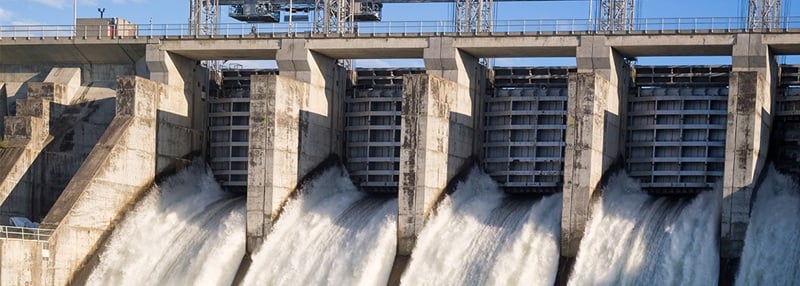
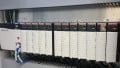
Figure 2. Systems and components age, but many of them cannot simply be replaced as one project. Image used courtesy of ABB
Modernizing Around Operational Realities
Controllers and I/O modules, which connect field instruments and equipment to the control system, can become increasingly difficult to maintain as technology advances. Replacing these components can improve system maintainability and provide access to new capabilities without necessarily changing the wider physical installation.
Rather than disconnecting and reinstalling large quantities of field wiring, engineers can focus only on the components being modernized, reducing the extent of redesign and wiring.
Modern space-fit approaches demonstrate how this can work in practice. With technologies such as ABB Ability Symphony Plus SDe, compatible controllers and I/O modules can be introduced while retaining existing cabinets, field wiring, termination units, and application logic.
Equally important is the ability to divide modernization into manageable phases. An operator might prioritize replacing controllers in one part of a facility before upgrading associated I/O modules or communications infrastructure. Other sections can follow according to equipment condition, maintenance schedules, and available investment.
This phased approach gives plant owners greater control over both the technical and commercial dimensions of modernization. Upgrades can be aligned with planned maintenance windows, while investment can be distributed across multiple budget cycles instead of concentrated in a single extended shutdown.
Of course, phased modernization does not eliminate the need for careful engineering. The standard steps of compatibility assessment, offline testing, commissioning, and appropriate contingency planning remain essential. Nevertheless, reducing the amount of infrastructure being changed at any one time can help contain project complexity and make the risks easier to assess and manage.
There is also a sustainability consideration. Retaining serviceable cabinets, wiring and other infrastructure avoids unnecessary material replacement and associated waste. Extending the useful life of existing assets can therefore support resource efficiency alongside the more immediate objectives of controlling costs and maintaining production.
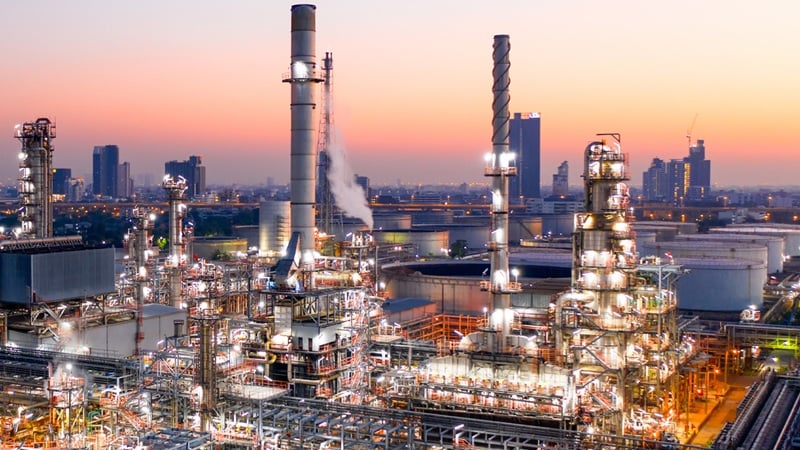
Figure 3. Operational readiness is critical for many industries like power generation. Image used courtesy of ABB
Future-Proofed Modernization
Modernization decisions must look beyond the immediate hardware upgrade to how software functionality and connectivity will evolve alongside it. Controllers and I/O provide the physical foundation, while software and communications capabilities help operators access information, integrate applications, and introduce new functionality as operational requirements change.
In the past, the prevalence of proprietary communication systems made some control systems difficult to expand or integrate with newer technologies. As industrial operations become more connected, those limitations restrict access to information and complicate subsequent upgrades.
Moving towards standards-based Ethernet communications provides a more flexible foundation. Open standards, such as OPC UA, support the structured exchange of operational information between different systems. IEC 61850 facilitates communication with intelligent electrical equipment in power utility applications.
These standards do not remove every integration challenge, but they can reduce dependence on proprietary interfaces and make it easier to connect process control with electrical systems and wider digital applications.
Access to reliable operational data is fundamental to these applications such as condition monitoring, predictive maintenance, and advanced analytics, but introducing them must not compromise the stability of critical control functions.
The broader challenge is to make each modernization step a foundation for the next - a principle reflected in the latest Symphony Plus SPR2025 release, where stronger connectivity, enhanced field device integration, and improved system performance create a foundation for new software capabilities alongside established control functions, supporting the journey towards Automation Extended.
For ABB, Automation Extended provides the context for this evolution: preserving the value of established control systems while creating a path to introduce new digital capabilities over time. Modular architecture, with appropriate separation between core control and digital monitoring and optimization environments, allows those new capabilities to be introduced and updated at a different pace from the systems responsible for real-time process control, subject to appropriate cybersecurity safeguards.
A Modern Mindset to Guide Upgrades
Modern developments also change how we should think about the lifecycle of a control system.
For decades, modernization was treated as a major project undertaken at lengthy intervals. That approach becomes increasingly difficult to sustain when the technologies surrounding industrial control systems are changing much more quickly than the physical plants themselves.
Operators now need an approach that accommodates continuous improvement without repeatedly exposing production to the risks of large-scale replacement.
This requires a different mindset. Modernization planning should begin with a clear understanding of existing investments, operational constraints, and long-term requirements, followed by a realistic sequence of improvements that can be introduced safely.
The most successful modernization strategy is not the one that replaces the most technology. It is the one that removes the constraints that matter while preserving the investments that still create value.
For plant owners, that means moving away from treating modernization as a periodic replacement event and towards managing it as a continuous lifecycle strategy. The objective is not a newer control system for its own sake, but an operation that is easier to maintain, more adaptable to future requirements, and capable of evolving without repeatedly putting production at risk.