Facebook
 Google
 GitHub
 Linkedin
ABB’s New Severe-Duty Motors Deliver NEMA Premium 4 Efficiency
ABB has updated its SD200 severe-duty motor platform with a high-efficiency version to comply with the U.S. Department of Energy's upcoming 2027 motor efficiency requirements.
It comes as no surprise that electric motors are number one on the hit list for energy hogs. Larger motors that are built to an older standard consume more energy than newer, more efficient motors. So, to ensure factories reduce their carbon footprint, as of June 1, 2027, the U.S. Department of Energy (DOE) is requiring mid-sized and air-over motors to meet the NEMA Premium (IE4) efficiency standards.
This change means older models will no longer be available, and users will need to adapt to the new models. In response to these requirements, ABB has released the SD200 SP4, a direct replacement for its existing SD200 series motors.
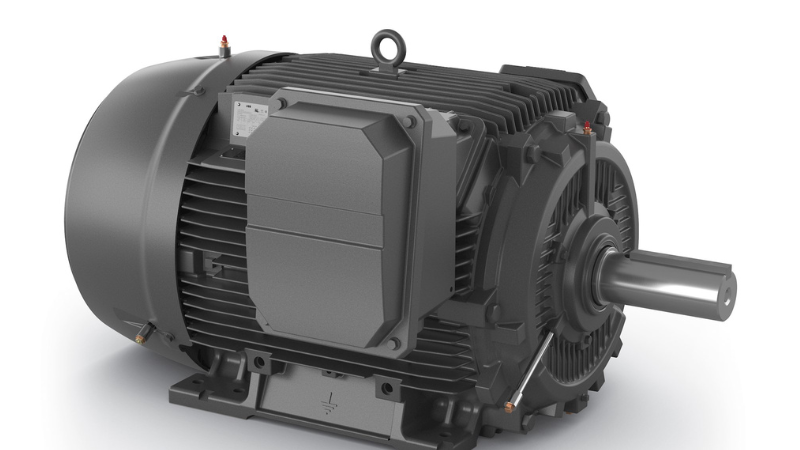
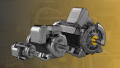
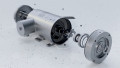
ABB’s SD200 SP4 severe-duty motors deliver IE4 efficiency. Image courtesy of ABB
U.S. DOE 2027 Motor Efficiency Requirements
In an effort to help reduce carbon emissions, the U.S. DOE is requiring all motors ranging in size from 1 hp to 250 hp to comply with NEMA Premium 4 design standards. Motor manufacturers will need to adjust current models to suit the new requirements, making current models obsolete. Users of these motors will need to adapt to the new models if there are any physical or electrical changes.
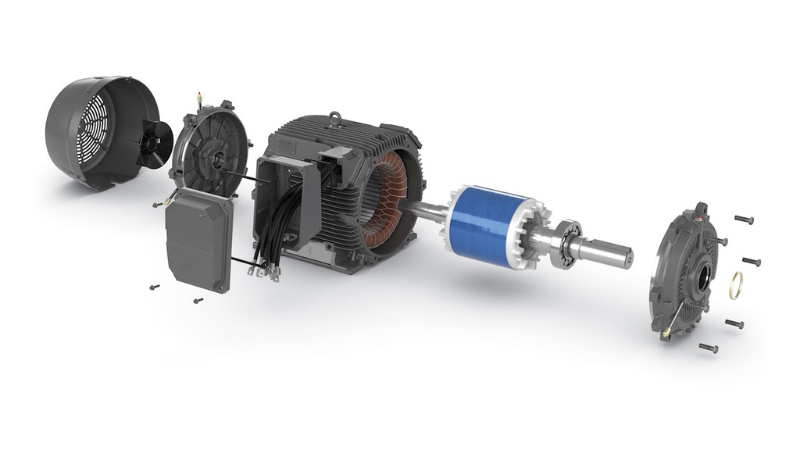
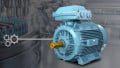
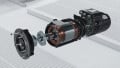
An exploded view of the SD200 SP4 motor. Image courtesy of ABB
SD200 SP4 Severe-Duty Motors
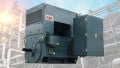
To meet upcoming DOE requirements, ABB has updated its existing SD200 severe-duty motor platform. Following the same physical frame design as the SD200, the new Baldor-Reliance SP4 motor has upgraded internals to meet NEMA Premium 4 efficiency.
Frame sizes ranging from 125 hp to 250 hp are made of heavy-duty cast iron, with C-4140 steel shafts, and are IP55-rated for ingress protection. These features make the SD200 SP4 family of motors an excellent choice for mining, chemical processing, and the pulp and paper industries. These industries require motors to operate in harsh environments without breaking down.
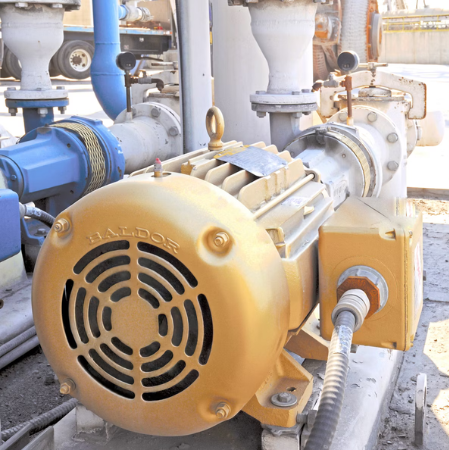
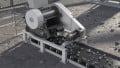
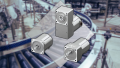
A severe-duty motor installed in a pumping application. Image courtesy of ABB
NEMA Premium 4 (IE4) Motors
The upcoming DOE requirement will require motors to follow the NEMA Premium 4 standard. Heavy-duty motors up until now were not required to follow this standard, so most do not currently meet this requirement.
The Premium 4 design results in a reduction of energy ranging from 15% to 20%, but the trade-off is a higher locked-rotor inrush current. This higher current consumption while starting means larger internal conductors need to be used, and NEMA had to release new designations, BE and CE, to signify the conductor change. Any installed overload protection devices will also need to be re-sized or adjusted accordingly.
This change will require motor manufacturers to produce higher-efficiency designs. At the same time, end users will have to not only adjust their spare parts lists but also adjust or replace protection devices to accommodate this change.