Facebook
 Google
 GitHub
 Linkedin
The Perils of Palletizing Automation and Columbia/Okura’s Solution
Stacking items on a pallet seems a minor part of the manufacturing process, but it actually requires speed, precision, and flexibility to relieve a heavy burden placed on employees.
Palletizing is a major industry in itself. Nearly every industry uses palletization alongside manufacturing processes. Palletizing and de-palletizing can be found near the shipping doors of virtually all product factories.
Just because the concept is common does not mean that all palletizing operations are equal. Every product and conveyance process introduces changes. Bags or boxes? One infeed system or several? Working beside people or in a cage? Pallets supplied by a mobile robot or pallet jack? These are just a few of the questions to address in every custom design.
I recently got a chance to visit Columbia/Okura, a company that specializes in robotic palletizing and is located in Vancouver, WA. A quick walk next door to the partner company, Columbia Machine, also revealed palletizers that are still automated, but not robotic.
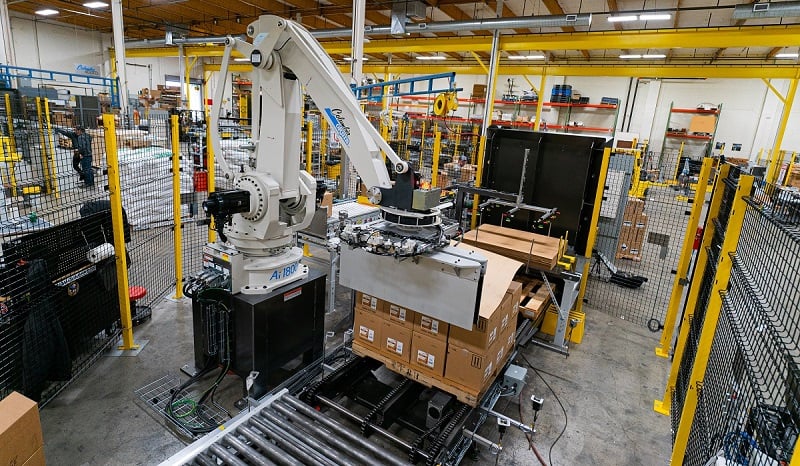
Figure 1. High-level representation of Columbia Okura. Image used courtesy of Columbia/Okura
What’s in Robotic Palletizing
To effectively design a full solution, several process elements have to be considered, even outside of the actual pallet stacking robot itself.
The infeed system includes any conveyors or material transport systems to bring the product within reach of the robot. Not only must it be accessible, but it must be aligned exactly the same every time. Otherwise, some sort of vision system is necessary to tell the robot how to pick the product. Vision provides flexibility, but at the risk of additional cost and complexity. Some systems include multiple infeed conveyors to consolidate packaging lines. Integrating this part of the process naturally means that the palletizer will communicate with the entire production line via a PLC and operator interface.
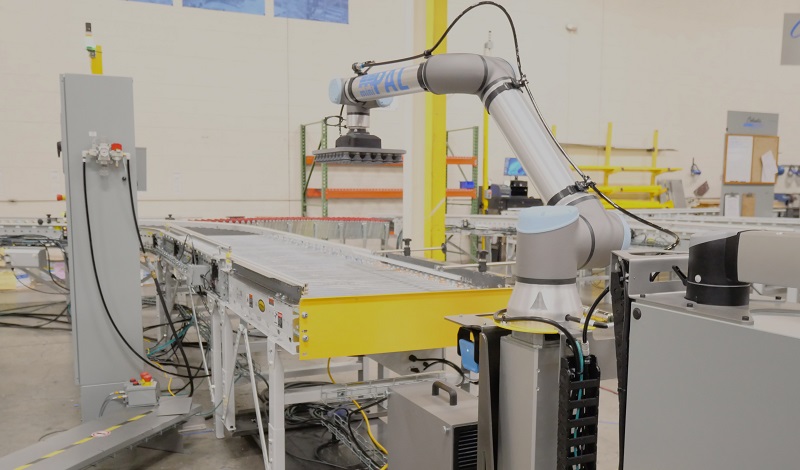
Figure 2. An infeed system for a robotic cell. Image used courtesy of Control.com
The gripping mechanism is custom-fit for each kind of product. There are similarities between all boxes, and between all bags, but there are also variations in size, weight, surface texture, and orientation, among others. Basic grippers might just be an off-the-shelf vacuum attachment for cardboard boxes and sheets. More advanced grippers use multiple actuators, sensors, and servos to adjust the gripping width to accommodate varying payloads.
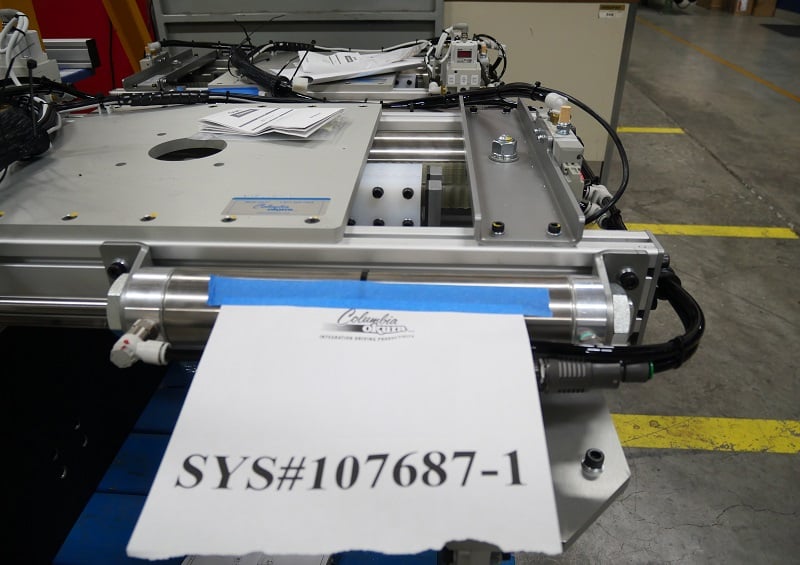
Figure 3. A robotic gripper, specially designed for a food manufacturer. Image used courtesy of Control.com
The pallet supply is often an under-considered element. In traditional packaging, the pallets are returned by forklift or pallet jack. These manual processes are still very common, so the robot may have two pallet stations to pack one pallet while the second one is being returned. More automated solutions include pallet distribution feeders (like a huge chute loaded with pallets) or automated mobile robots (AMRs) to pick and return the pallets.
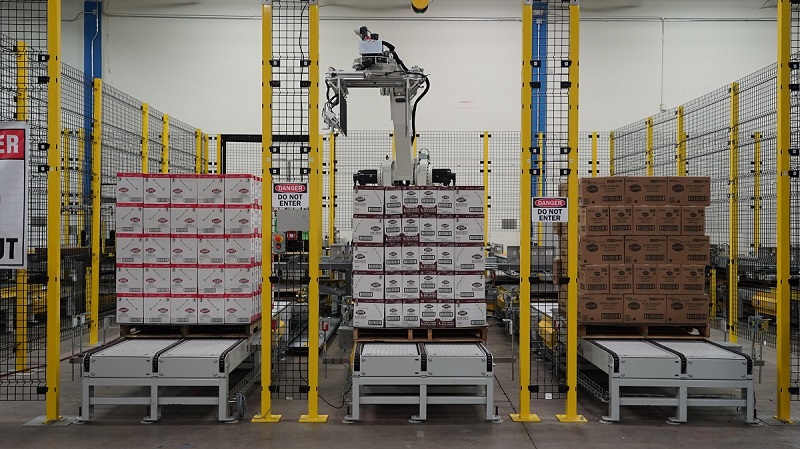
Figure 4. Pallet distribution system for a robotic cell. Image used courtesy of Columbia/Okura
The offloading (outfeed) route must be provided to get the loaded pallets away from the robot. Some pallets are immediately wrapped in plastic. Others have stiff corner braces and are then surrounded with plastic strapping. Some large items may sit securely on a pallet with no wrapping, but for most robotic payloads, a tall stack of smaller boxes or bags definitely needs some added security.
A second consideration for the offloading is not just how it’s wrapped, but how it’s carried away. Forklifts are still the dominant method of transporting pallets, but AMRs are becoming increasingly common. For either device, it must be able to navigate, turn corners, and back up safely without other equipment in the way. Navigable space is a major concern in the design of the system.
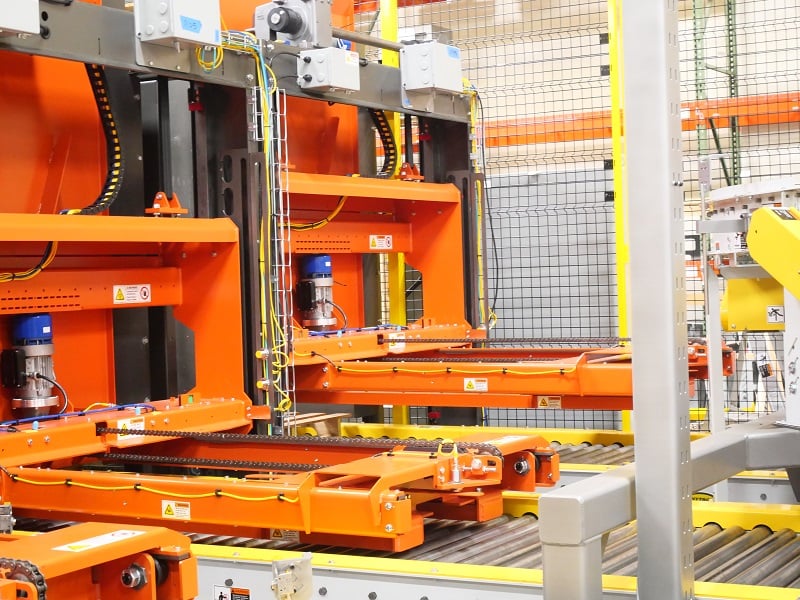
Figure 5. Outfeed route where the pallets are removed from the robot loading zone. Image used courtesy of Control.com
Non-Robotic Palletizing
Robots may be the classic labor-saving poster child, but they aren’t the only way to prevent worker fatigue, injury, and turnover that comes with repetitive lifting. Since palletizing is a highly geometric and repetitive process, it lends itself quite well to linear motion, or gantry systems.
Columbia Machine, the partner company to Columbia/Okura (and located across the street), includes a palletizer division that creates these kinds of machines.
Why would you need this kind of system when a large robot can pick up and stack virtually any kind of object? Speed. Conventional non-robotic palletizers can allow several products to be fed down the infeed at once, carefully aligning them into rows and columns to be added onto a stack. This simultaneous quantity of objects gives a tremendous advantage for smaller, individual products, while robots are ideally suited for larger bags or filled boxes of products.
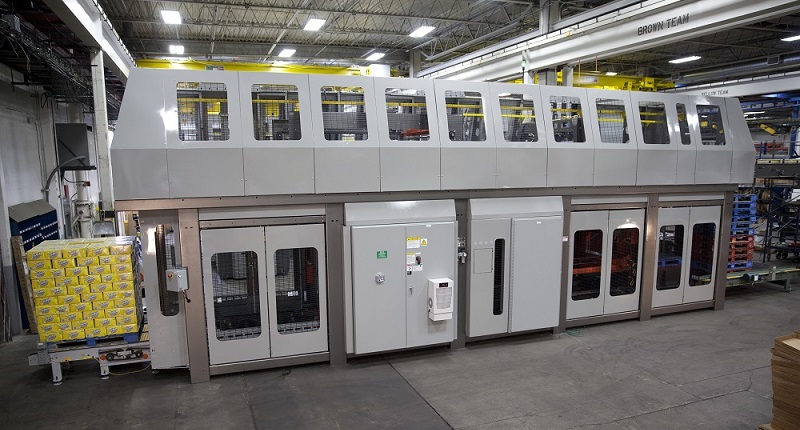
Figure 6. Conventional floor-level palletizer. Image used courtesy of Columbia/Okura. Image used courtesy of Columbia/Okura
Conventional palletizers are also highly modular, both in terms of product alignment and in orientation, so they can more quickly be designed for nearly any kind of situation.
Palletizing: Not Just Picking Up Boxes
It is said time and time again with robotics and automation: there is no one-size-fits-all solution. If that were true, there would only be one kind of palletization system. Instead, each facility, each product, each company size, and each vision for the future includes a detailed examination of how and why to design each element of the process.
This tour of Columbia/Okura and Columbia Machine proved that just because each process is different, that doesn’t mean that it’s difficult to adapt. It just needs the right company with the right design team to turn a vision into a product in the hands of a happy customer.