Facebook
 Google
 GitHub
 Linkedin
Industry Partnerships Fuel Sustainability, Startups, and Cognitive Robotics
Phoenix Contact, Siemens, and Neura Robotics have all formed partnerships, aiming to cut inventory waste, fuel manufacturing-focused startups, and expand the use of cognitive robotics in Asian markets.
Manufacturers today face competing pressures: cut waste, adapt to labor shortages, and move new technologies to market faster. Many companies are finding that these goals are impossible to meet alone. Strategic alliances are now the tool of choice, giving firms access to specialized expertise, broader reach, and faster adoption of advanced systems. Three recent announcements from Phoenix Contact, Siemens, and Neura Robotics show how global collaboration is reshaping industrial technology.
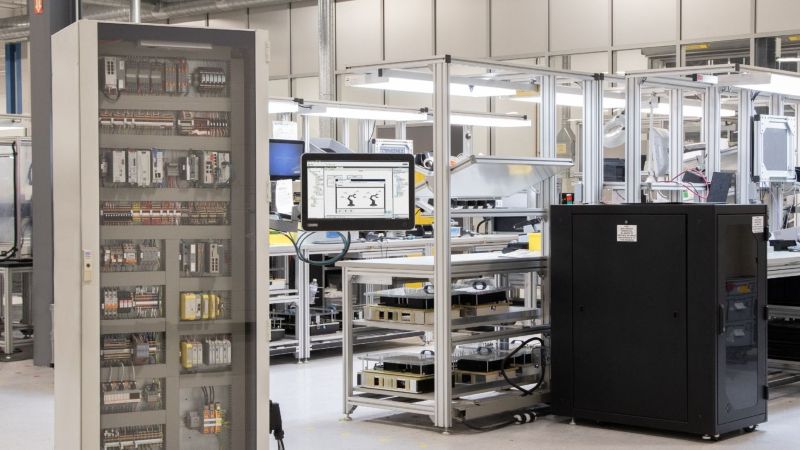
Distributors’ unused Phoenix Contact inventory can now be sent to Waldom Electronics for resale. Image used courtesy of Phoenix Contact
Tackling Waste: Phoenix Contact and Waldom
Inventory that sits idle is a long-standing problem in electronics distribution. Too often, unsold stock ends up discarded. Phoenix Contact USA and Waldom Electronics have teamed up to address this waste. Their agreement allows authorized distributors to send unused inventory to Waldom, which will redistribute the components to others in the network.
The plan keeps useful parts in circulation and out of landfills. Waldom has also committed a share of resale revenue to environmental programs, including tree planting, aligning with Phoenix Contact’s target of a carbon-neutral value chain by 2030. For distributors, the program reduces loss, recovers value, and contributes to sustainability goals at the same time.
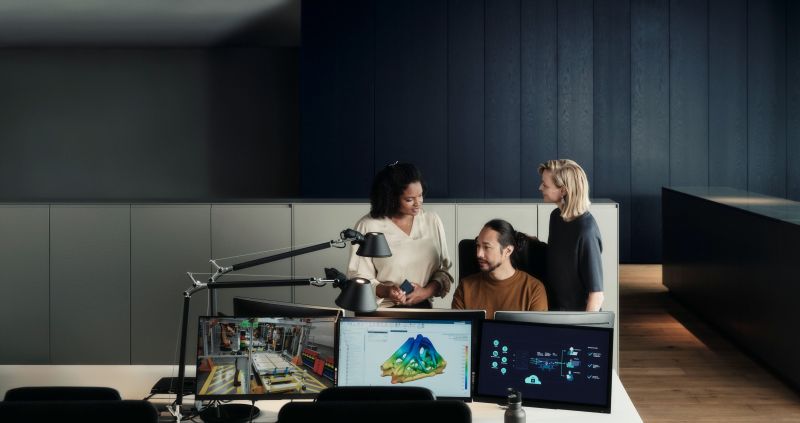
The Siemens for Startups program has partnered with Amazon Web Services to equip startups with cutting-edge industrial technologies. Image used courtesy of Siemens
Boosting Startups: Siemens and AWS
At CES 2025, Siemens introduced Siemens for Startups, a program aimed at young companies in engineering and manufacturing. The program’s structure is designed to be simple: connect, collaborate, and empower. Through “connect,” startups gain entry to the Siemens Xcelerator marketplace, opening global sales channels. Under “collaborate,” Siemens acts as an early customer, offering startups revenue and real-world feedback. The “empower” stream provides startups with affordable access to Siemens software tools for design, simulation, and production.
A strategic tie-in with Amazon Web Services (AWS) strengthens the effort. Startups will have access to AWS credits, cloud services, and go-to-market resources through AWS Activate. Together, Siemens and AWS aim to give early-stage firms not just software but also infrastructure and visibility to scale quickly.
Examples highlighted at CES show the range of industries touched by the program. Arkisys is working on orbital manufacturing platforms, while EthonAI has developed analytics tools to cut factory waste in half. Instrumental technology focuses on failure detection in electronics, while Tended uses wearables and geospatial data to improve site safety. The partnerships show how Siemens is opening its ecosystem to new ideas while helping startups reach customers sooner.
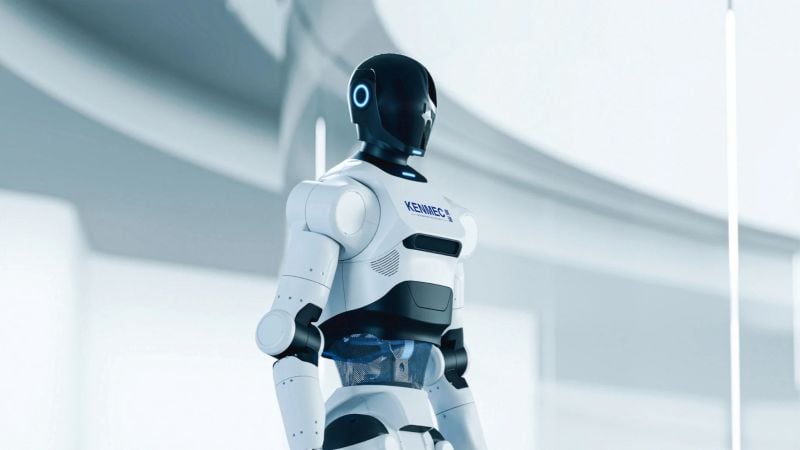
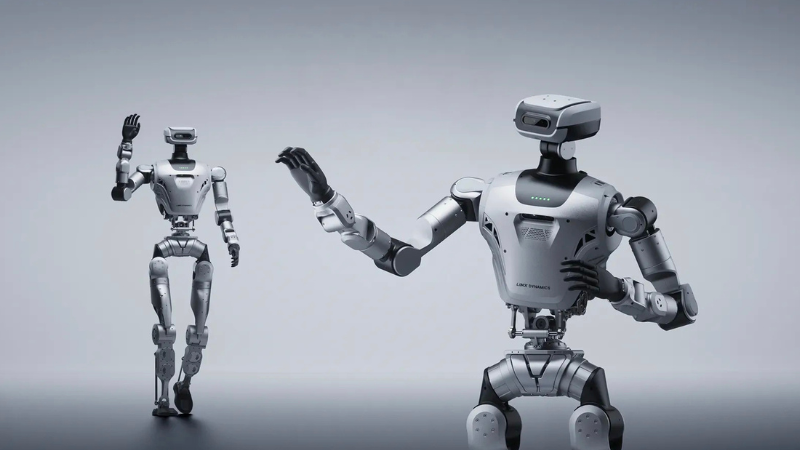
Kenmec Mechanical Engineering will now integrate Neura Robotics’ technologies, including the 4NE1 humanoid robot, into Asian markets. Image used courtesy of Neura Robotics
Expanding Cognitive Robotics: Neura and Kenmec
Labor shortages and rising costs are driving automation demand across Asia. Germany’s Neura Robotics has formed a sales and integration partnership with Taiwan’s Kenmec Mechanical Engineering to meet this demand. Kenmec will distribute Neura’s portfolio, including its humanoid 4NE1 robot and collaborative platforms powered by cognitive AI.
Unlike conventional robots, Neura’s systems are built to perceive their environment, reason, and interact safely with humans. Kenmec, with decades of experience in automation, will integrate these robots into large projects in semiconductors, logistics, and renewable energy. The deal gives Neura immediate reach in key Asian markets while customers gain access to technology designed to raise productivity and safety at once.
This partnership fits Neura’s broader push to establish a global network. With recent expansions in Europe and North America, Asia is the next step in its plan to make cognitive robotics a standard part of industrial automation.
The Power of Industrial Partnerships
Each of these partnerships targets a different challenge, yet all point toward the same outcome: faster progress through collaboration. Phoenix Contact and Waldom are reducing electronic waste. Siemens and AWS are giving startups the tools to scale ideas into real products. Neura and Kenmec are pushing robotics into regions where demand is accelerating. Together, they show how cross-border, cross-sector partnerships are becoming a powerful lever for industrial change in 2025.