Facebook
 Google
 GitHub
 Linkedin
Industry Insights: Understanding Hybrid Linear Motion
Kyntronics’ mission is to combine servo control with hydraulic actuators to form hybrid motion control. Our engineering team posed a few questions in hopes of learning more about this technology.
Motion control is a complex topic, yet it remains, perhaps, the most common ultimate application of control systems around the world. Motion control involves moving components with carefully crafted profiles that dictate position, speed, and force at all times.
Industrial motion is usually powered either by hydraulics or electrical current, but recently, I learned about a hybrid linear actuator system offered by Kyntronics, a motion control company based in Solon, OH. I got a chance to pose a few questions to Carl Richter, VP and General Manager of Kyntronics, to gain a better understanding of the technology and applications for these hybrid motion control systems.

Figure 1. My thanks to Kyntronics VP Carl Richter for his subject-matter knowledge of hybrid linear motion.
Insights From the Experts
David: Let's begin with the basics: How do hybrid linear actuators work? How do they compare to the more familiar methods of purely electric or purely hydraulic actuators?
Carl: Hybrid linear actuators combine the power and robustness of hydraulics with the precision and controllability of electric actuators. A compact, fluid-based cylinder (similar to a hydraulic cylinder) is directly integrated with a servo motor and gear pump (like an electric actuator) to create linear motion. Standard PID control still applies.
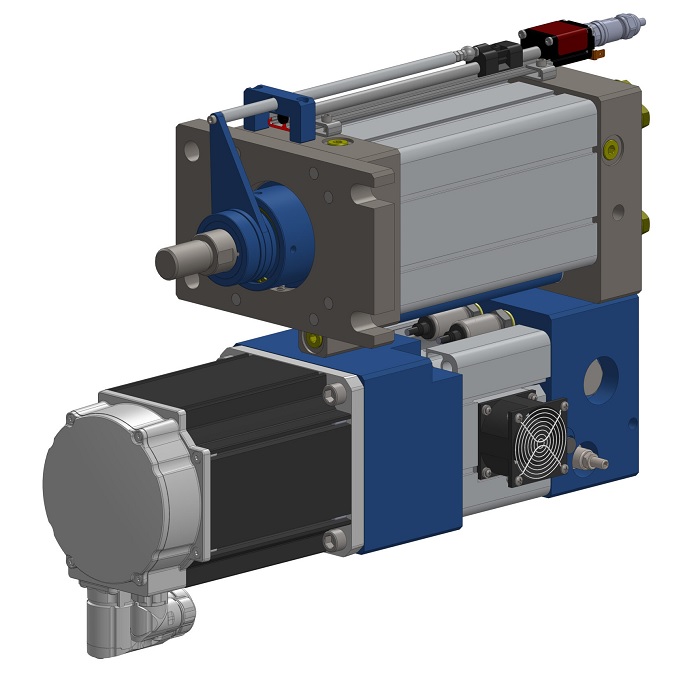
Figure 2. A hybrid linear actuator with the servo-driven pump (at the bottom) and the linear motion component (top). Image used courtesy of Kyntronics
Actuator Operation
- Extension: The motor rotates the pump in one direction to extend the piston rod.
- Retraction: The motor reverses direction to retract the piston rod.
- Control: Integrated position sensors or limit switches provide real-time feedback, ensuring precise and repeatable movement. An optional pressure transducer is used to measure the force exerted by the piston rod.
Hybrid actuators enable programmable positioning, speed regulation, and load monitoring, making them ideal for automation and Industry 4.0 applications. Hybrid linear actuators also offer several operational advantages, including power-on-demand energy efficiency compared to traditional hydraulic systems, a sealed design that eliminates external reservoirs, filters, and hoses, and the durability and tolerance needed to handle applications that have shock and side-loads.
Traditional hydraulic systems typically rely on a centralized hydraulic power unit (HPU) that runs continuously at maximum speed and pressure. Flow is then directed through valves and servo valves to the cylinders via hoses and plumbing. This approach can lead to significant energy waste and can introduce leak points throughout the system.
David: What kind of advantages do we get from this hybrid approach? Mechanical, electrical, design simplicity?
Carl: Because hybrid actuation systems only use power when operating, known as power-on-demand, they avoid common issues such as continuous energy consumption, fluid leaks, and the complexity of external hydraulic plumbing. From a controls perspective, hybrid actuators also offer precise force control. By incorporating a simple pressure sensor, the force at the rod can be accurately regulated at any speed.
Unlike many electro-mechanical screw-type actuators that are typically limited to inline or parallel configurations, hydraulic-based systems, including hybrid actuators, allow a wider range of configurations. The hybrid design enables fluid to be diverted internally, allowing very slow and controlled movements when needed, while still supporting large force variations. A low-cost counterbalance valve can be used as an effective locking mechanism as well as an adjustable manual release. In some configurations, multiple pumps can be used to support different operating modes, such as a fast mode for lower force movements and a slow mode capable of delivering higher force.
Durability is another important benefit. Hybrid actuators are well-suited for applications where shock loads are present, and design features such as stop tubes or double-piston arrangements can help minimize side-loading effects. Because the actuator does not rely on mechanical screw drives with defined L10 life limits, the system can be designed for extended service life. In the rare event that service is required, components such as pumps or seals can be replaced, effectively restoring the actuator to like-new condition. The hydraulic fluid itself is sealed for life.
Finally, hybrid actuators achieve higher ingress protection (IP) ratings, and these ratings are dynamic, meaning they apply while the actuator is in motion, rather than static ratings commonly associated with electric screw-driven actuators.
David: How do they interface with a control system? Would the integration experience feel more like a VFD-driven pump, or a servo controller?
Carl: From a controls and integration standpoint, hybrid actuators behave more like a servo-controlled electric system. In most cases, the actuator is driven by a standard servo motor and servo drive, allowing it to integrate easily with modern motion platforms and industrial automation systems that already support servo control.
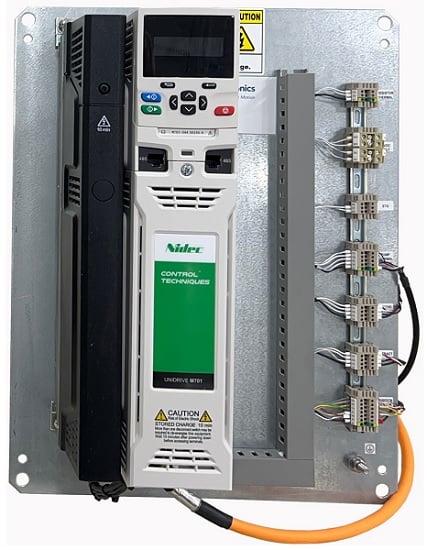
Figure 3. The drive unit for a hybrid linear actuator. Image used courtesy of Kyntronics
Hybrid linear actuators are also flexible in terms of motor selection. While AC servo motors are commonly used, the system can be configured with a range of motor types, including DC servo motors, induction motors, or other motor technologies, depending on the application requirements and control preferences.
David: What are some of the most common industries/applications for hybrid actuators?
Carl: Hybrid actuators are used across a wide range of industries wherever precise, reliable linear motion is required. Some common applications include metal forming, bending, assembly presses, piercing, punching, material handling, and testing, where accurate control of position, speed, and force is critical to process quality. Hybrid linear actuators are commonly used in industries such as automotive, aerospace, lumber processing, security and defense, metal manufacturing, plastics, and many others.
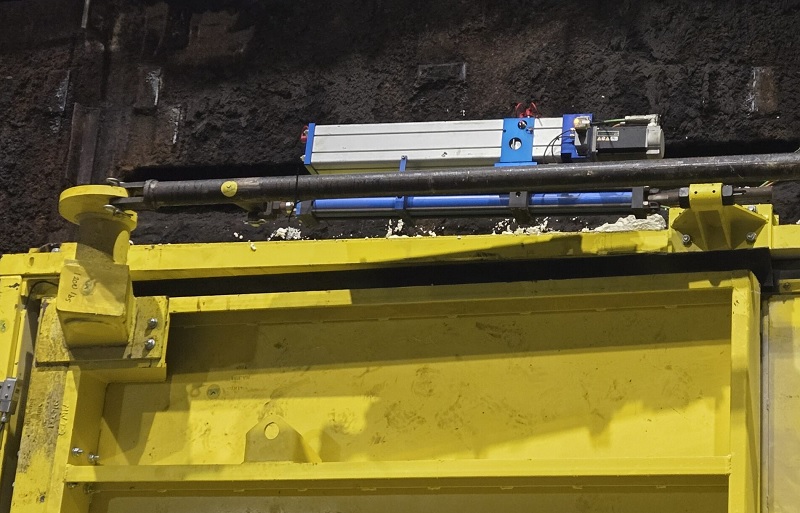
Figure 4. A hybrid actuator used in a mining application. Image used courtesy of Kyntronics
Hybrid actuator technology is also highly adaptable. The combination of servo-controlled motion with hydraulic force generation allows engineers to address a wide range of actuation needs, including applications that require precise positioning, controlled speed profiles, or substantial force output.
David: Do they require any unique troubleshooting knowledge, like special assemblies or components that require maintenance in ways that differ from other actuators?
Carl: In most cases, hybrid linear actuators do not require any unique troubleshooting knowledge compared to traditional actuation technologies. From a maintenance perspective, the hybrid design is largely maintenance-free. Because the hydraulic fluid in the hybrid actuator is sealed and self-contained, there is no need for routine lubrication or regular fluid servicing. This simplifies long-term operation and reduces overall maintenance costs and downtime associated with hydraulic actuation systems.
Motion Control for the Future
The thing is, neither electrical nor hydraulic motion systems are new at all. Innovation comes from the constant drive to improve efficiency, power output, and user-friendliness by taking advantage of the benefits offered by each technology. Our thanks once again to Kyntronics for sharing their expertise in hybrid linear motion; we’re excited to see how this technology keeps improving processes for years to come!