Facebook
 Google
 GitHub
 Linkedin
The Dirty Details of Electrical Power: Line/Load Reactors and Filters
Filters and reactors can protect your electrical devices, but what is the difference between these two kinds of devices, and are they supposed to be installed before or after a VFD?
Electrical control systems and components are designed to work with specific voltages and currents. We put devices such as fuses or circuit breakers in the electrical circuit to prevent over-current scenarios, but what about short spikes of over-current or over-voltage?
Voltage Spikes, Surges, And Harmonics, Oh My!
An over-voltage can be caused by various sources, such as the supply voltage of the system, devices within the control cabinet can cause over-voltages, and long cable runs will act as antennas that generate over-voltage. Harmonic currents are waveforms of current that act similarly to over-voltage waveforms. Typically, harmonic currents are generated from other electrical devices, notably VFDs, servo drives, or rectifiers.
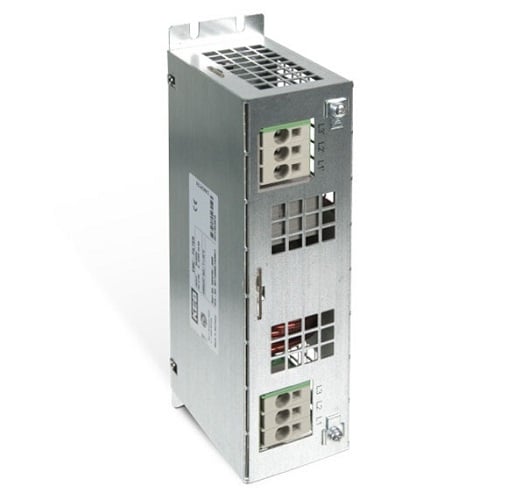
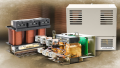
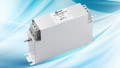
Figure 1. A line filter is commonly used with VFDs. Image used courtesy of KEB America
When the voltage or current spikes in an electric motor rated for specific electrical parameters, the insulation becomes pitted or damaged. This damage will shorten the motor's service life or damage internal components of drives or VFDs, causing downtime and requiring costly maintenance. For these reasons, it is important to filter out the electrical noise before and sometimes after a variable-frequency drive.
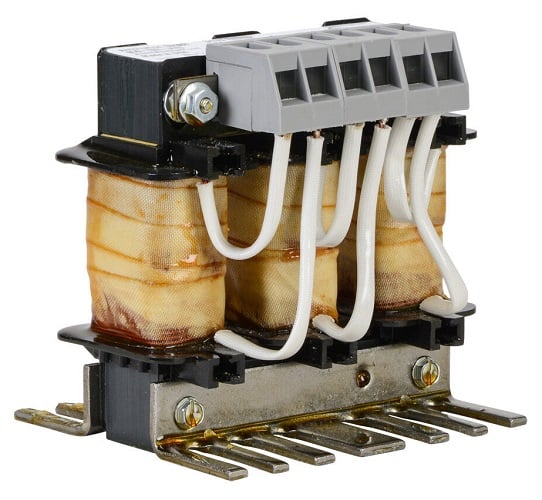
Figure 2. A line reactor is used to smooth out ripples in power signals. Image used courtesy of AutomationDirect
Input (Line) Reactor
One way of filtering out surges from the electrical system before it is conditioned in a VFD is with a line reactor. Residing in the control cabinet and wired before the VFD, a reactor will smooth out the waveform of the incoming voltage and, at the same time, smooth out any ripples in the current draw. At a basic level, a reactor is a simple inductor made up of an iron core and copper wires wrapped around the core, and just with inductors, reactors are rated by their percent of induction.
The reactor doesn’t cap the incoming voltage, it simply slows down the rate of voltage change, which is sometimes referred to as dv/dt. In applications with large changes in voltage in a short time, a reactor may not help as the large incoming voltage spike cannot be spread out before the next cycle. By slowing down the incoming voltage spikes to the VFD, you should see a reduction in over-voltage faults and damage to the drive's internal input components.
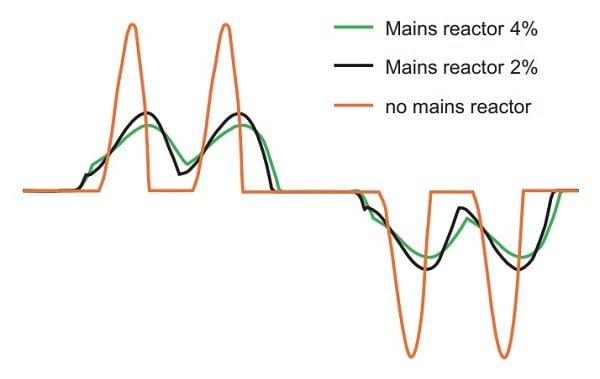
Figure 3. This graph shows the effects of a reactor on the input line side of the device. Image used courtesy of Siemens
Input (Line) Filter
A line filter is positioned similarly to a line reactor, being placed on the incoming side of the VFD. Power spikes or surges are reduced with the use of internal reactors, but with a line filter, the maximum voltage is capped with the help of resistors and capacitors. Because the line filter suppresses high-frequency electrical noise without spreading the spike over time and keeps the voltage at the respected level, the line filter has a better affinity for protecting sensitive electrical devices downstream of the filter.
Output (Load) Reactor
In some situations, a reactor is required on the output side of a VFD, typically when the distance between the VFD and the motor is very long, over 100 feet. The output reactor is placed as close to the VFD as possible and works similarly to the line reactor. Ripples at the peaks of the waveform are smoothed out, reducing problematic power spikes at the motor. These power spikes can damage motors if they are left uncontrolled.
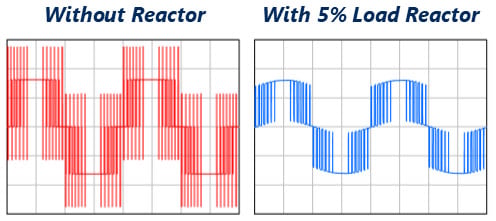
Figure 4. This graph shows the voltage spikes of an unfiltered PWM VFD on the left, and with a 5% load-side reactor on the right. Image used courtesy of Precision Automation
Output (Load) Filter
Similar to an input filter, an output filter uses a series of reactors, capacitors, and resistors to filter out electrical noise generated from the electrical devices used within the system. Just like the input filter, the output filter will suppress the voltage and current spikes to a specific level and not just spread the spike out over time. By using an output filter after a power supply or VFD, you can reduce damage to motors and other sensitive electrical devices and reduce nuisance electrical noise within your system.
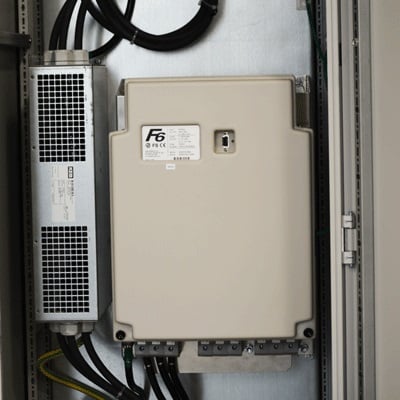
Figure 5. Line filters can be open-frame or contained inside cases mounted vertically and horizontally. Image used courtesy of KEB America
Cost Over Functions
In electrical design, we often put devices in our designs that do nothing more than protect or help reduce wear on downstream devices. The decision to use and purchase these components can be difficult because they don’t increase the number of parts your equipment will make in a shift, or increase the efficiency of your process. In the case of line filters and reactors, they are often required by the manufacturer of the VFD, and if you choose not to use one you might void your warranty.
Some organizations, such as CE, require preventing electrical noise in the system, not simply counteracting its negative effects. To prevent this noise, you must install line and/or load filters in your equipment to pass inspection. The filters and reactors also help protect your very expensive motors from wearing prematurely, which can save money by reducing downtime.
Modern Sensitive Equipment
Today, devices are being used in industrial equipment that support 5 VDC power sources, like vision system lights, serial communication, and trigger signals. These modern devices can be triggered by electrical noise in the system, resulting in flashing lights, loss of communications, or unexpected trigger signals. By using filters and reactors as a standard design practice, you can greatly reduce the troubleshooting time when lights are flashing unexpectedly or your dispense system is dispensing unexpectedly.